


More news on this day
Passengers traveling through Aberdeen Airport this July are being warned to prepare for "significant delays" as security staff stage 14 days of strike action in an escalating dispute over pay.
Get the latest news straight to your inbox!
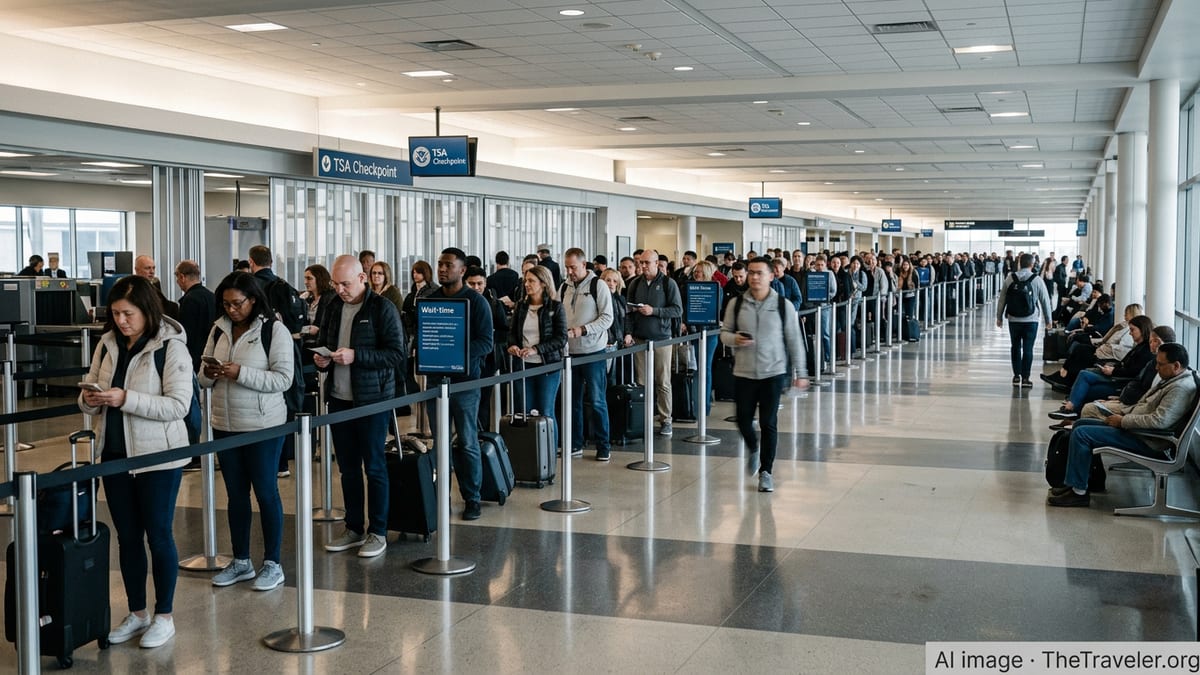
Fourteen days of walkouts across peak summer travel
The industrial action involves security workers employed by contractor ICTS who are responsible for baggage screening at Aberdeen Airport. According to recent industry coverage, the employees are members of the Unite union and account for most of the airport’s security screening team, raising the prospect of longer queues and slower processing at peak times.
The dispute has escalated after negotiations over pay failed to produce an agreement. Publicly available reports indicate that union members voted unanimously in favour of strike action following what has been described as an unacceptable pay offer from the company. Previous talks involving the conciliation service Acas have so far not resulted in a breakthrough.
The walkouts are scheduled across July, covering alternate days throughout the month, before culminating in a final day of action on 1 August. The pattern of stoppages means disruption is likely to be spread across weekdays and weekends, coinciding with one of the busiest periods of the year for both leisure and business travel.
The strike follows separate pay disputes at the airport which were recently settled, including issues involving other ICTS staff and workers directly employed by Aberdeen Airport Limited. Those settlements have left the baggage screening dispute as the main unresolved flashpoint at the north east Scotland hub.
What the strike could mean for passengers
Because the striking workers cover baggage screening, any reduction in staffing levels has the potential to slow passenger throughput at security. Industry reports suggest the airport is preparing for longer queues and the possibility that some passengers could miss flights if they arrive too close to departure times.
Travel industry guidance typically advises passengers to arrive at least two hours before short haul flights and three hours before long haul departures. For the duration of the strike, consumer advocates are recommending that travelers build in extra time on top of standard guidance, particularly at peak morning and late afternoon periods when multiple flights are scheduled to depart.
Even if airlines keep their flight schedules intact, significant queues at security checkpoints can lead to knock-on disruption. Longer screening times can delay boarding, tighten turnaround windows for aircraft and contribute to late departures, which in turn may cause missed connections or late arrivals at other airports.
Publicly available information from previous UK aviation disruption shows that when airport operations are strained, delays can ripple across the wider network, especially at busy times of year. While Aberdeen is smaller than major London hubs, its role as a key regional and energy industry gateway means that any prolonged disruption may still affect a substantial number of travelers.
Strike dates and scope of disruption
The first day of industrial action is scheduled for 6 July, followed by further walkouts on alternate days throughout the month. The strike calendar covers 6, 8, 10, 12, 14, 16, 18, 20, 22, 24, 26, 28 and 30 July, with an additional day on 1 August. Each day of action is expected to affect security operations for substantial portions of the working day.
Because the stoppages are spread over 14 separate days rather than in one continuous block, the pattern of disruption may be uneven. Days without strike action could still experience residual effects as the airport works through any backlog, while days immediately before or after stoppages may see higher passenger numbers as travelers attempt to avoid the declared strike dates.
Airlines operating from Aberdeen may adjust their handling arrangements, re-time some services or encourage passengers to travel with hand luggage only to ease pressure on security and baggage systems. However, published guidance consistently stresses that flight status information is determined by each airline, and passengers are being urged to monitor their bookings closely.
The dispute is confined to security staff employed by ICTS for baggage screening, and there is no indication at present of coordinated strike action by air traffic control, ground handling or airline crew based at the airport. Nevertheless, the concentration of disruption in one critical part of the passenger journey is considered sufficient to generate prolonged queues and delays.
Advice and rights for affected travelers
Travel consumer organisations generally advise that during periods of known industrial action, passengers should keep a close watch on updates from their airline and the airport. Many carriers now use mobile apps, email and text alerts to inform customers of gate changes, schedule alterations or check in recommendations. Travelers are being encouraged to ensure contact details on their booking are up to date.
Allowing extra time to clear security is regarded as the single most important step passengers can take. Travelers are also being reminded to follow standard security rules carefully to avoid additional screening, including restrictions on liquids and rules on electronic devices. Arriving with bags already compliant with security requirements can reduce the likelihood of secondary checks that further slow the process.
Under UK passenger protection rules, travelers whose flights are significantly delayed or cancelled may be entitled to certain forms of assistance, such as refreshments, accommodation or rebooking options, depending on the length and cause of the delay. Compensation may not be guaranteed in cases where disruption is considered outside an airline’s control, but publicly available guidance recommends that passengers keep detailed records of delays and additional expenses in case a claim can be made.
Travel experts also highlight the importance of checking the terms of travel insurance policies. Some policies offer cover for strike related disruption, but typically only if the insurance was purchased before industrial action was formally announced. Passengers planning trips through Aberdeen Airport in July are being encouraged to verify the scope of their cover well in advance of travel.
Broader context of a strained summer for air travel
The Aberdeen walkouts come at a time when UK and European aviation are already experiencing a challenging summer. Recent operational data and media reports point to higher levels of delays and cancellations across multiple hubs, driven by a combination of capacity constraints, weather volatility and new border procedures affecting some routes.
Analysts note that even relatively small disturbances can trigger disproportionately large impacts when the wider system is operating close to capacity. In that context, a 14 day security strike at a regional hub such as Aberdeen adds another layer of pressure, particularly for connecting passengers and those using the airport for offshore energy operations.
Aviation industry groups have been warning for several months that a mix of staff shortages, changing travel patterns and infrastructure upgrades could lead to spikes in disruption across the peak summer period. The situation at Aberdeen Airport is being seen as one example of how unresolved local labour disputes can intersect with these broader structural strains.
With the first strike day approaching, travelers booked to fly from Aberdeen in July are being urged to pay close attention to official updates, prepare for longer journey times to and through the airport, and consider flexible travel plans where possible in case disruption intensifies during the 14 days of planned action.