


More news on this day
African airlines are reporting a sharp rise in passenger traffic as long haul carriers divert around Middle East conflict zones, routing more Europe to Asia and Gulf bound journeys through the continent’s hubs even as soaring jet fuel prices threaten to erode already thin profit margins.
Get the latest news straight to your inbox!
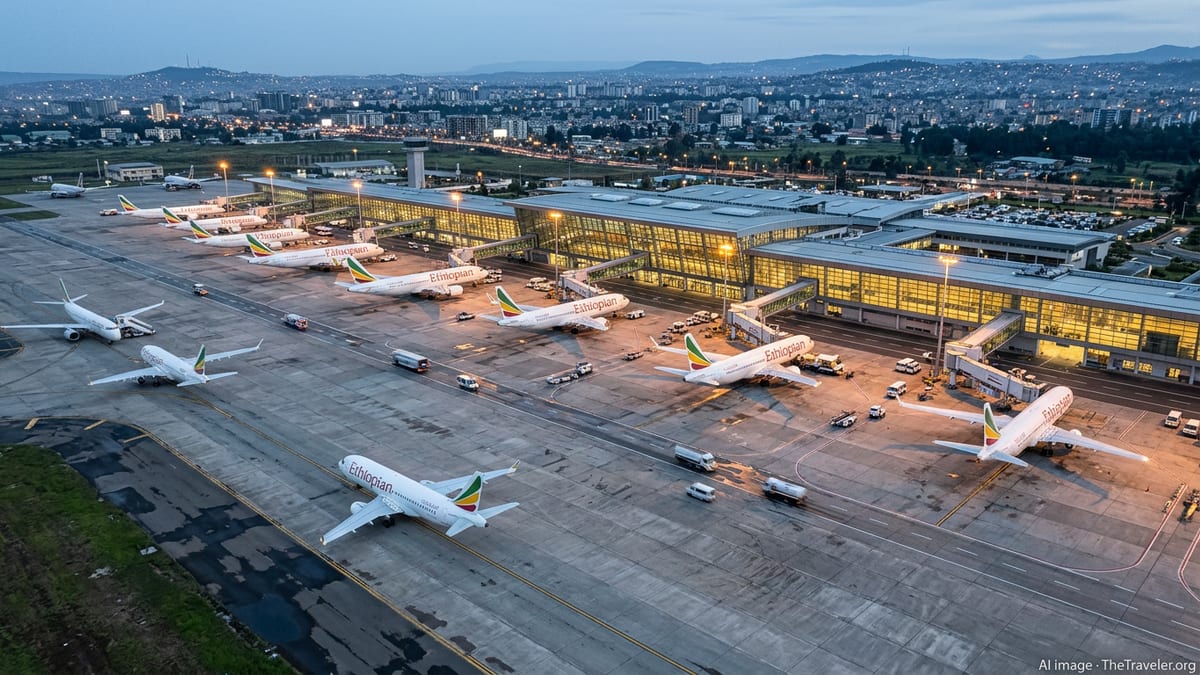
Rerouted Global Traffic Lifts African Hubs
Publicly available industry analysis indicates that geopolitical disruptions across the Middle East since early 2026 have pushed airlines in Europe and Asia to redraw traditional flight corridors, avoiding key conflict areas and closed airspace. As carriers search for alternative routings between Europe, Asia and the Indian Ocean region, several African hubs have emerged as convenient waypoints and connection points.
According to recent data and commentary from the International Air Transport Association, Africa’s hub carriers are among the main beneficiaries of these shifts, with traffic reallocated from Middle Eastern gateways now flowing through cities such as Addis Ababa, Nairobi and Johannesburg. These airports sit on viable great circle paths that allow airlines to skirt sensitive skies while still offering workable connection times.
Flight tracking and route analysis published by specialist aviation outlets show more services threading south of traditional Middle East waypoints, with some long haul operators favouring African over Gulf stopovers on select Europe to Asia and Asia to South America services. While many of these changes remain temporary responses to airspace risk assessments, they are delivering a noticeable, if uneven, lift in passenger volumes for African operators.
Travel industry coverage also suggests that a portion of point to point demand has been redirected. Travellers who once would have connected via Dubai or Doha for leisure trips to Indian Ocean islands or East Africa are increasingly booking itineraries that rely on intra African links, reinforcing local carriers’ role in regional connectivity.
Passenger Demand Climbs From a Low Base
The latest global traffic statistics from IATA show that passenger demand in Africa has continued to recover and expand, with total traffic in 2024 surpassing pre pandemic levels and load factors reaching record highs for the region even though they remain the lowest worldwide. Africa’s share of global traffic is still modest, but the pace of recovery has outstripped earlier forecasts.
Regional associations such as the African Airlines Association point to a longer term structural trend, noting that Africa’s passenger traffic is projected to nearly double by 2050, to more than 300 million travellers a year. Recent gains linked to geopolitical rerouting are landing on top of this underlying growth path, accelerating the rebound at certain hubs and for a handful of stronger carriers.
Airport statistics from aviation authorities in major markets, including South Africa, confirm that traffic through large gateways such as Johannesburg and Cape Town has moved decisively beyond pandemic era lows. Cape Town, for example, has recently reported passenger throughput above 10 million in a financial year, supported by renewed long haul links and stronger regional connectivity.
Nonetheless, sector analysts caution that the benefits are concentrated. A few well capitalised flag carriers and low cost operators able to add capacity quickly are capturing much of the incremental traffic. Smaller airlines with older fleets or weaker balance sheets often lack the aircraft and network depth needed to profit from the sudden surge in demand.
Jet Fuel Spikes Threaten Fragile Profitability
Rising jet fuel prices are casting a shadow over these traffic gains. Industry economics reports highlight that jet fuel already accounts for a higher share of operating costs for African carriers than for most peers elsewhere, frequently ranging between 30 and 40 percent of total expenses. Limited refining capacity on the continent and reliance on imported fuel priced in US dollars leave airlines acutely exposed to global price swings.
Regional media coverage across East and Southern Africa in recent months has described steep increases in jet fuel costs linked to broader energy market disruptions and shipping route instability around the Red Sea and Strait of Hormuz. In some cases, airlines report that the price of fuel for a single route can shift significantly between an outbound flight and the return sector, compressing margins on even well booked services.
An IATA chartbook published in 2025 underlines the structural cost challenge, estimating that the average operating cost per available tonne kilometre for African airlines is roughly double the global average, with high fuel prices and airport charges both contributing. Analysts argue that these structural disadvantages mean that even with strong load factors, many African carriers struggle to translate higher traffic into sustainable profits.
Some airlines have responded by adjusting schedules, suspending marginal routes, or passing a portion of the extra fuel cost on to passengers through higher fares and surcharges. While this can help stabilise finances in the short term, it also risks dampening price sensitive demand in a region where disposable incomes are limited and air travel remains a discretionary purchase for many consumers.
Network Opportunities and Operational Strain
The diversion of global traffic has opened new network opportunities for African airlines. Industry presentations prepared for recent aviation conferences point to growth on Africa to Asia sectors and stronger flows on intra African routes feeding augmented long haul services. Carriers based in Ethiopia, Kenya and the Gulf of Guinea region are particularly active in marketing their hubs as reliable alternatives for Europe to Asia and Asia to Latin America itineraries.
However, the sudden increase in through traffic can also strain infrastructure and operations. Several airports that serve as emerging connecting points were designed primarily for regional flows rather than heavy long haul transfer traffic. Ground handling capacity, baggage systems and border control facilities are being tested by higher volumes and tighter banks of arrivals and departures.
Operationally, longer flight times resulting from detours around closed airspace contribute to higher fuel burn, crew duty time complexity and schedule buffers. Airlines that reposition aircraft to take advantage of new flows also face challenges in maintenance planning and spare parts logistics, especially where fleets are diverse and technical support is concentrated outside the continent.
Industry observers note that the reconfiguration of routes may accelerate investment decisions in fleet renewal and airport upgrades. Yet with cash flows under pressure from fuel costs, many African airlines and state owned airport operators have limited room to fund major capital projects without external financing or partnerships.
Outlook: Growth Potential Under Cost Pressure
Forecasts issued by IATA in June 2026 suggest that while global passenger demand remains robust, higher fuel prices and disruption related rerouting are likely to halve overall airline industry profitability this year compared with 2025. For African carriers, where average net margins were already razor thin, this combination of strong demand and rising costs is especially delicate.
Public economic briefings emphasise that Africa’s long term air travel outlook remains positive, with demographic growth, urbanisation and liberalisation initiatives such as the Single African Air Transport Market expected to support rising passenger numbers. If rerouted traffic patterns persist, some hubs could lock in a greater share of intercontinental flows even after Middle East tensions ease.
At the same time, sector specialists warn that without reforms to reduce structural costs, modernise fleets and streamline taxes and charges, African airlines may find it difficult to convert the current surge in passengers into durable profitability. Several recent analyses highlight the risk that smaller carriers could face solvency challenges if fuel prices stay elevated into the next year.
For travellers, the near term effect is a patchwork of new route options and, in some markets, higher fares as airlines seek to recover additional costs. For African aviation, the present moment is emerging as both an opportunity to claim a larger role in global connectivity and a stress test of the industry’s financial resilience.