


More news on this day
Travellers using Manchester Airport are being urged to exercise caution with alcohol purchases and consumption after renewed warnings about the potentially lethal risk of methanol poisoning linked to counterfeit or illicit spirits.
Get the latest news straight to your inbox!
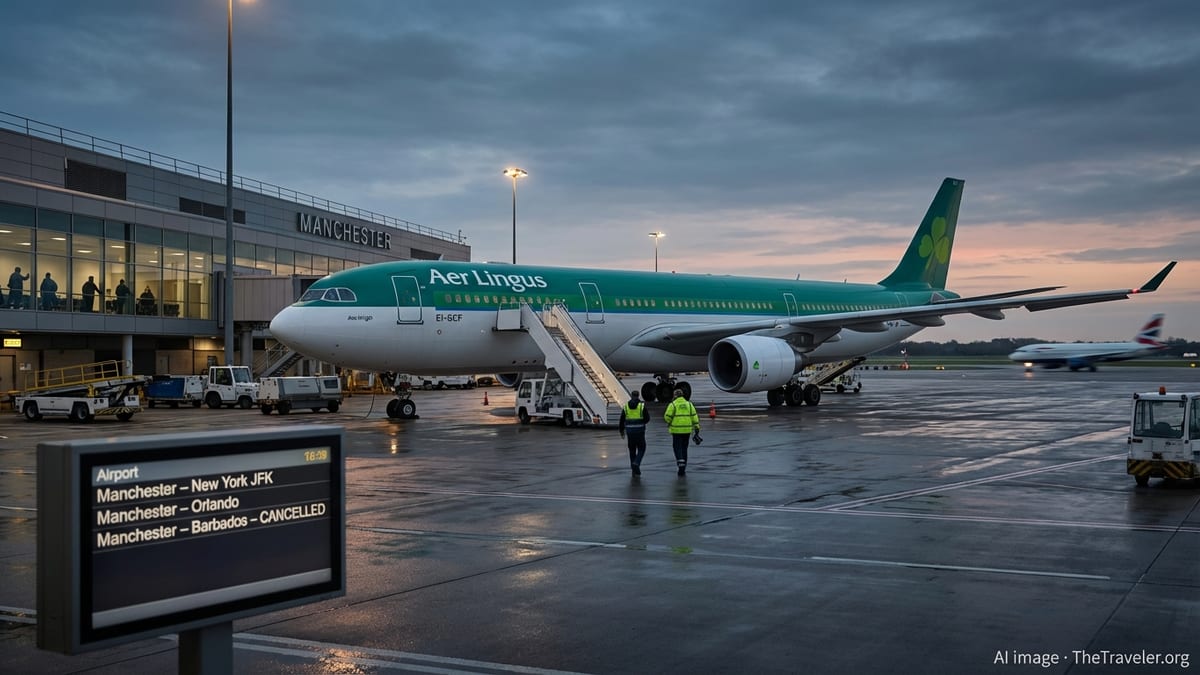
Renewed focus on alcohol safety for departing passengers
Recent coverage highlighting the dangers of methanol in counterfeit alcohol has prompted calls for travellers at major UK hubs, including Manchester Airport, to be more alert when buying and consuming spirits. Publicly available health guidance describes methanol as a highly toxic form of alcohol that can cause blindness, organ failure and death even in relatively small quantities, particularly when it is consumed in drinks that are falsely presented as legitimate products.
Manchester Airport has been preparing for one of its busiest periods on record, with millions of passengers expected to pass through its terminals over the peak holiday months. With higher passenger numbers, consumer groups note a corresponding rise in the sale and carriage of alcohol in both duty free and resort areas, increasing the importance of understanding where and how problems such as methanol contamination typically arise.
Reports indicate that while duty free shops and licensed bars within UK airports are subject to strict regulatory standards, risks often emerge later in the journey, when travellers buy cheap, unregulated spirits abroad or are offered unlabelled drinks in informal settings. The concern is that some passengers may wrongly assume that any alcohol encountered during a trip is subject to the same level of scrutiny as the products they see in large airport retailers.
Methanol poisoning: a hidden threat in counterfeit spirits
Health agencies in the UK describe methanol as a clear, colourless liquid that is sometimes misused as a substitute for ethanol in low grade or counterfeit alcoholic drinks. According to toxicology guidance, ingestion can lead to symptoms such as headache, dizziness, vomiting and abdominal pain, progressing to visual disturbances, metabolic acidosis, coma and, in severe cases, death. Even modest volumes can be dangerous, as methanol is processed in the body into highly toxic compounds.
Public information notes that methanol has been found in products that are not intended for drinking, such as industrial solvents and some cleaning agents, but it has also been detected in illegally produced spirits where it is used either deliberately or through poor distillation practices. When these liquids are transferred into bottles that resemble well known brands, travellers may have little visual indication that anything is wrong.
The risk is particularly acute in destinations where informal alcohol production is common and regulatory oversight is weaker. Past international incidents involving large numbers of tourists have been linked to drinks sold in small bars, beach kiosks or unlicensed venues, where the origin of the spirit is unclear. Travel health advisers warn that holidaymakers may be drawn to heavily discounted or unlabelled spirits without realising that the danger is not simply stronger alcohol, but a completely different and far more toxic substance.
How the risk intersects with airport travel
Although most reports of methanol poisoning relate to events outside the UK, Manchester Airport serves as a starting point for millions of trips to popular holiday destinations where counterfeit alcohol has previously been identified. Consumer advocates argue that this makes pre travel messaging especially important, so that passengers understand that the bottles they see in reputable airport outlets are not the only alcohol they may encounter during their journey.
Guidance from UK regulators on alcohol sales in airports sets out strict conditions for duty free and duty paid outlets, including product sourcing from approved suppliers and clear labelling. These controls are designed to ensure that items purchased airside meet the same safety and quality standards as alcohol sold in domestic shops and licensed premises. There is currently no suggestion that methanol contaminated drinks are being sold within Manchester Airport’s own retail estate.
The concern instead relates to what happens once travellers leave the controlled airport environment. With record numbers of passengers using Manchester as a gateway to long haul and short haul destinations, campaigners see an opportunity to highlight the ways in which counterfeit or adulterated drinks can enter the holiday experience, from welcome cocktails that are not prepared with branded spirits to bottles offered on excursions or sold by street vendors.
Experts emphasise that symptoms of methanol poisoning often appear several hours after ingestion, meaning that a traveller who falls ill abroad or even on the return flight may not immediately connect their condition to a particular drink. This delay can make it harder for medical teams to identify the cause, further underlining the value of prevention and awareness at the point of departure.
Practical advice for travellers transiting Manchester Airport
Travel health organisations and safety charities have issued consistent advice for holidaymakers concerned about the safety of alcoholic drinks. One key recommendation is to buy spirits only from reputable, well established retailers such as major supermarkets, hotel bars and recognised duty free chains, where supply chains are documented and quality controls are in place. For those starting their journeys at Manchester Airport, that generally means relying on official airport shops rather than unverified sellers encountered later in resort areas.
Passengers are also encouraged to treat unlabelled or unusually cheap alcohol with particular suspicion. Bottles with spelling errors, poor quality printing, damaged seals or missing duty markings can indicate counterfeiting. Drinks that taste unusually harsh, have a strong solvent smell or cause rapid, severe illness after only a small amount should be considered unsafe, and medical help should be sought urgently.
Public information from health agencies stresses that anyone who suspects methanol exposure should seek immediate medical assessment, even if symptoms are mild at first. Early treatment can limit long term damage, including the risk of permanent vision loss. In an airport or airline context, that may involve alerting cabin or ground staff to symptoms such as sudden visual disturbance, confusion or severe vomiting following recent consumption of suspect alcohol.
Travel insurers increasingly include warnings on policy documents about the dangers of excessive or unsafe alcohol use abroad. While these notes are primarily aimed at discouraging high risk behaviour, they also serve as a reminder that consuming illicit or unregulated drinks can complicate both medical care and potential insurance claims, adding financial risk to the already serious health implications.
Calls for clearer passenger messaging at busy UK hubs
With Manchester Airport forecasting record passenger numbers across the summer and into the autumn getaway, some safety advocates are urging clearer, more prominent messaging on the risks of methanol and counterfeit alcohol. Suggestions include information screens near duty free tills, leaflets at security and simple graphics on boarding passes or booking confirmations reminding travellers to be cautious about where they buy and consume spirits once abroad.
Industry observers note that airports already play a role in educating passengers about issues such as lithium battery safety, vaping devices and restricted items in baggage. Building methanol awareness into that wider safety narrative is seen by some as a logical extension, particularly for airports that act as major gateways to regions where counterfeit alcohol has been reported in the past.
Publicly available information also points out that closer coordination between airports, airlines, tour operators and travel medicine specialists could help spread consistent guidance ahead of peak travel periods. Simple messages about sticking to reputable venues, avoiding unlabelled spirits and seeking help quickly if symptoms arise are viewed as low cost tools that could prevent severe illness or fatalities among holidaymakers.
For now, the core message for travellers passing through Manchester Airport is to recognise that while alcohol purchased in regulated airport outlets is subject to strong safeguards, not every drink encountered on a trip will offer the same protection. In the context of methanol, a substance for which a single contaminated bottle can have devastating consequences, extra caution remains a critical part of safe holiday planning.