


More news on this day
Air Arabia has resumed flights to 49 destinations from its UAE hubs, with Cairo now joining Beirut, Karachi, Moscow, Amman, Lahore and Casablanca on a growing network that is helping to rebuild the country’s regional and global connectivity.
Get the latest news straight to your inbox!
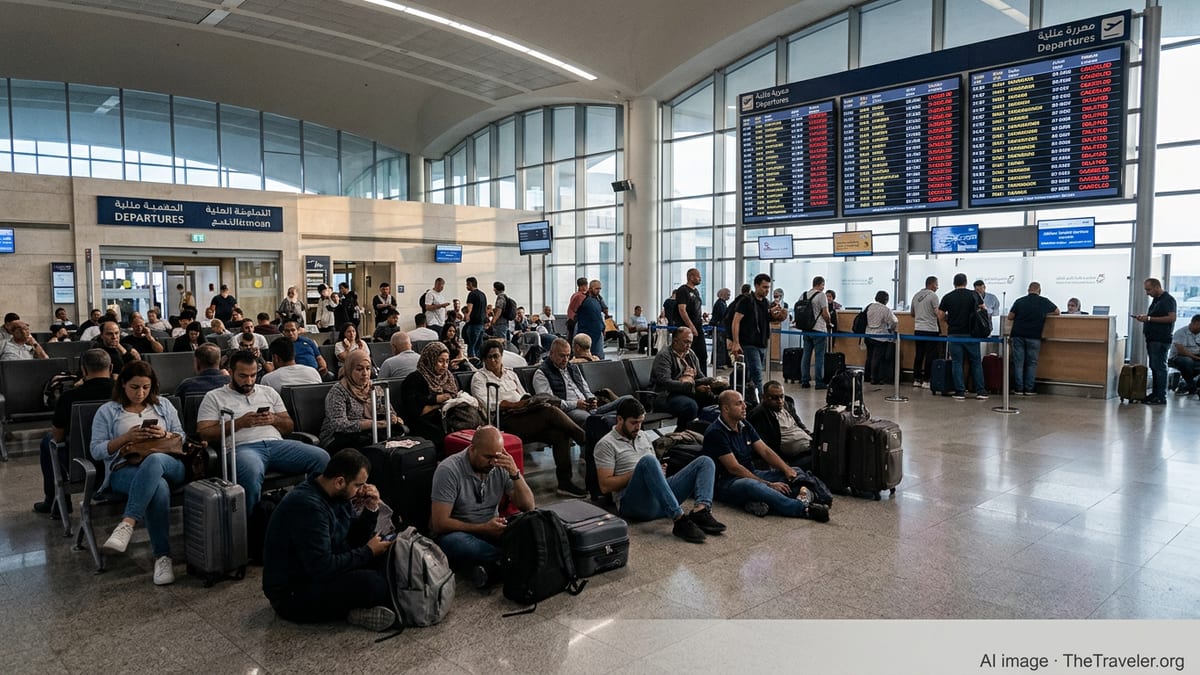
Cairo Added As Strategic Gateway In Regional Reboot
The latest phase of Air Arabia’s network restart places Cairo alongside other key regional cities such as Beirut, Amman, Lahore and Karachi, reinforcing high-demand corridors between the Gulf, the Levant, North Africa and South Asia. Publicly available information shows that scheduled services are now operating from the airline’s bases in Sharjah, Abu Dhabi and Ras Al Khaimah to a broad mix of business and leisure markets.
Cairo’s inclusion is notable because of the historic strength of travel flows between the UAE and Egypt, supported by large expatriate communities and strong trade links. Industry data and recent coverage indicate that demand on UAE–Cairo routes has remained resilient even during periods of disruption, making the Egyptian capital an early priority as airlines rebuild their schedules.
By reinstating Cairo alongside Beirut, Karachi, Moscow, Amman, Lahore and Casablanca, Air Arabia is restoring a cluster of routes that function as regional anchors for its low-cost model. These cities connect onward to extensive domestic and regional networks, meaning each resumed route multiplies connectivity beyond the immediate city pair.
The decision aligns with a wider pattern in the Middle East, where carriers are focusing first on politically significant capitals, major labor corridors and established leisure gateways. Travel industry reports suggest that such markets recover faster once operational conditions allow, offering airlines a more reliable base of bookings as they ramp up capacity.
Sharjah, Abu Dhabi And Ras Al Khaimah Back At The Center
The resumption plan is built around Air Arabia’s three UAE hubs, led by Sharjah International Airport, which remains the airline’s primary base and a major low-cost gateway for the region. From there, the carrier is rebuilding links to destinations across the Middle East, North Africa, Europe and South Asia, with Beirut, Cairo, Karachi and Lahore among the best-known city pairs returning to the schedule.
Abu Dhabi and Ras Al Khaimah, where the airline also maintains growing operations, are playing complementary roles. Services from these airports are supporting both resident demand and inbound tourism, especially as Ras Al Khaimah continues to promote itself as an outdoor and adventure destination and Abu Dhabi emphasizes cultural and events tourism.
According to recent regional aviation coverage, the overall restart remains limited compared with pre-disruption levels, but the 49 destinations now available represent a substantial expansion relative to the reduced network that operated at the height of recent tensions. The gradual restoration is intended to balance commercial recovery with operational flexibility in case conditions change.
Airport authorities in the UAE have been investing in infrastructure and passenger-handling capacity, which is helping carriers like Air Arabia scale up as routes return. The spread of flights across three hubs also provides operational resilience, reducing exposure to local weather events or congestion at any single airport.
Strengthening UAE’s Role As A Regional Connector
The broader impact of Air Arabia’s 49-destination network is felt in the way it reinforces the UAE’s position as a connective bridge between regions. With cities such as Moscow, Casablanca and Lahore back on the map, travelers can again use Sharjah, Abu Dhabi and Ras Al Khaimah as convenient transit points linking Europe, the Caucasus, North Africa and the Indian subcontinent.
Low-cost point-to-point services have become increasingly important to this role. Where full-service Gulf carriers concentrate on major long-haul hubs, Air Arabia’s model focuses on direct, often secondary city links that open up travel to price-sensitive passengers and smaller markets. Reports from industry analysts suggest that such routes are among the first to rebound when restrictions ease, as they serve essential travel segments including workers, students and visiting friends and relatives.
The airline’s expanding reach also supports cargo flows, an important element of the UAE’s logistics strategy. Even limited belly-hold capacity on narrow-body aircraft can help sustain supply chains for perishables, pharmaceuticals and e-commerce shipments on routes that might otherwise see reduced service in volatile periods.
For the wider tourism economy, the restoration of flights to destinations like Beirut, Casablanca and Moscow gives hotels, tour operators and attractions in the UAE more confidence to plan for gradual increases in visitor numbers through the remainder of 2026. Travel trade commentary indicates that package holidays, short city breaks and combined Gulf–Levant itineraries are likely to benefit as flight options stabilize.
Gradual Recovery Amid Evolving Market Conditions
The 49 resumed destinations do not yet represent a full return to Air Arabia’s pre-crisis network, and the airline is operating within an environment that remains sensitive to geopolitical developments and regulatory decisions. Coverage from regional outlets notes that some routes across the Middle East continue to face restrictions or reduced frequencies, and schedules are still subject to change.
Nonetheless, the latest moves show a clear shift from emergency operations to managed recovery. By signaling a structured list of destinations, the airline is giving passengers and travel partners greater visibility, even as it retains the flexibility to adjust capacity, timings or equipment where required.
For travelers, the message is one of cautious optimism. While advisories still recommend checking flight status frequently and allowing for possible schedule adjustments, the availability of multiple weekly services to key cities including Cairo, Beirut, Karachi, Moscow, Amman, Lahore and Casablanca marks a meaningful improvement on the fragmented options that were available only weeks ago.
Industry observers are watching closely to see whether demand across these 49 routes holds firm into the summer season. If load factors meet expectations, additional destinations and increased frequencies are likely to follow, potentially bringing Air Arabia’s network closer to its pre-disruption footprint.
Implications For Travelers And Competing Carriers
The competitive landscape in the Gulf is also shifting as Air Arabia rebuilds its network. Full-service rivals and other low-cost airlines are in parallel stages of recovery, adjusting fares and schedules in response to returning capacity. Analysts note that the reintroduction of price-sensitive routes from the UAE to cities such as Lahore, Karachi and Cairo is likely to exert downward pressure on some economy-class fares across the market.
For passengers, increased competition often translates into more choice of travel times, better connectivity and, in some cases, promotional pricing as airlines seek to stimulate demand. Travel agencies in the region report early signs of renewed interest in multi-city itineraries that combine UAE stopovers with onward journeys to the Levant, North Africa or South Asia.
The restart also serves as a test case for how quickly low-cost carriers can pivot in response to sudden disruptions. Air Arabia’s ability to reassemble a 49-destination network at relatively short notice is drawing attention from aviation planners, who see the model as an example of how flexible fleet deployment and lean cost structures can support resilience.
As the situation in regional airspace continues to evolve, the airline’s expanded operations will be a key factor in how seamlessly travelers can move between the UAE and key cities such as Cairo, Beirut, Karachi, Moscow, Amman, Lahore and Casablanca. For now, the restored routes signal that the UAE’s role as a central travel hub is firmly back on an upward trajectory.