


More news on this day
Air Canada has taken delivery of its first Airbus A321XLR, introducing a next generation single aisle jet that combines the airline’s new Glowing Hearted cabin design with long range, lower emission performance intended to open fresh domestic and transatlantic routes.
Get the latest news straight to your inbox!
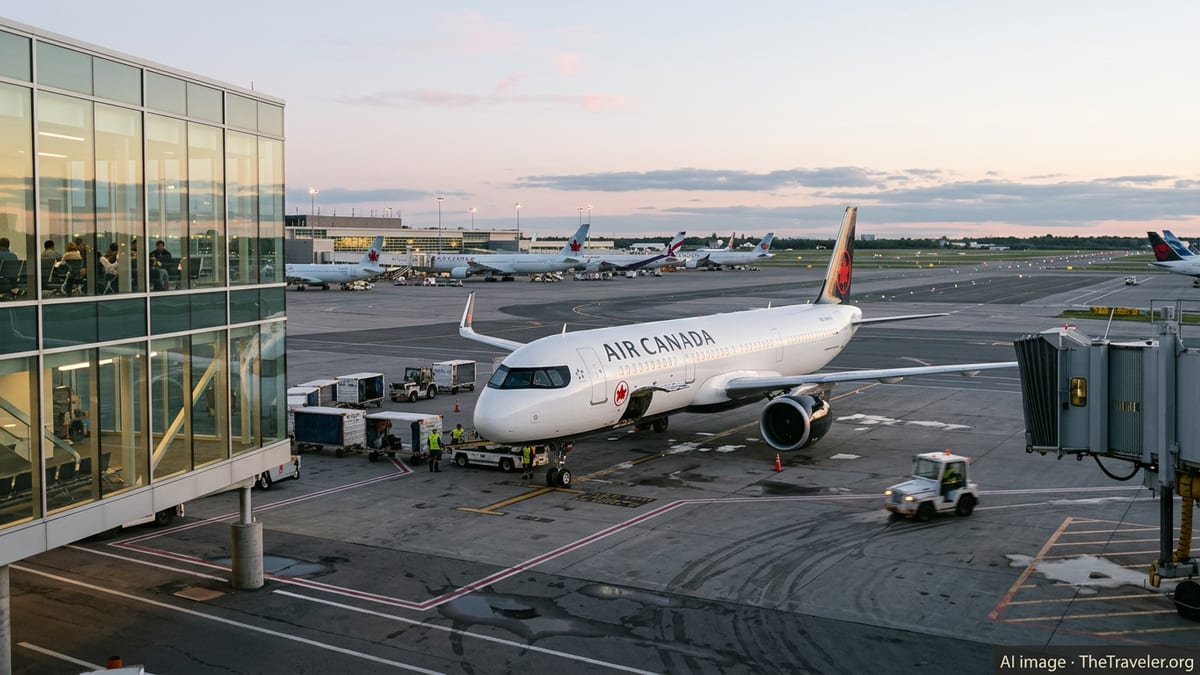
New Long Range Narrowbody Arrives in the Fleet
Publicly available information shows that Air Canada received its first Airbus A321XLR in Hamburg on April 24, 2026, the initial aircraft in a planned fleet of 30 extra long range narrowbodies. The delivery makes the carrier the first Canadian operator of the A321XLR and marks a key step in its broader fleet renewal program, which also includes new Airbus A350 widebodies.
The A321XLR is the longest range member of the Airbus A320neo family, capable of flying up to about 4,700 nautical miles. Industry data indicates that this range allows airlines such as Air Canada to bridge the gap between existing narrowbody aircraft used on domestic and North American routes and widebody jets that operate the longest international services.
Configured with 14 seats in Air Canada Signature Class and 168 seats in economy, the aircraft is tailored for transcontinental and transatlantic missions where passenger comfort has to be balanced with operating efficiency. Reports indicate that this cabin layout is intended to deliver a premium experience at the front of the aircraft while keeping overall seat density competitive for longer sectors.
Network planning updates from Air Canada and schedule analysts show that the A321XLR will be deployed across both domestic and international networks as more aircraft arrive, gradually taking on routes that were previously considered too thin for widebodies or too long for older single aisle types.
Glowing Hearted Cabin Redefines Single Aisle Comfort
According to Air Canada’s recent cabin announcements, the A321XLR debuts the carrier’s new Glowing Hearted interior, a design language that is being rolled out across refreshed narrowbodies and future widebody refurbishments. The concept focuses on warmer lighting, updated finishes and a consistent visual identity across cabins intended to reflect a more welcoming onboard atmosphere.
In Signature Class, the A321XLR introduces the first lie flat seats offered by a Canadian airline on a single aisle aircraft, arranged in a one by one configuration that provides direct aisle access for every passenger. Cabin materials, ambient lighting and privacy features have been developed to position the product closer to widebody business class standards despite the narrower fuselage.
The economy cabin incorporates the Airbus Airspace interior, with larger overhead bins, redesigned sidewalls and updated lighting schemes. Passengers have access to individual inflight entertainment screens with Bluetooth audio pairing and in seat power, features that Air Canada is promoting as part of an upgraded experience on longer narrowbody flights.
Industry coverage notes that the Glowing Hearted cabin concept is not limited to the A321XLR. Air Canada is progressively retrofitting selected A321 and A320 aircraft, creating a more unified onboard look and allowing domestic passengers to encounter the new interior on shorter flights before experiencing it on longer haul services.
New Domestic and Transatlantic Markets in Reach
Network planning material released over recent months points to the A321XLR as a central tool for Air Canada to open routes that were previously uneconomical or operationally constrained. Examples cited in public analyses include potential nonstops from Toronto and Montreal to secondary European cities such as Berlin, Toulouse or Edinburgh, where demand may not yet support daily widebody service.
On the Canadian domestic and North American side, schedule reports indicate that the aircraft is expected to appear on longer transcontinental sectors, including pairings between eastern hubs and western cities like Calgary or Vancouver. Using the A321XLR on these routes allows Air Canada to offer lie flat Signature Class seating and a more international style service on flights that were traditionally operated by standard narrowbodies.
The same extra long range profile also provides flexibility during seasonal peaks, permitting the airline to shift capacity between Mediterranean leisure destinations, core European gateways and high demand summer transcontinental markets. Aviation analysts suggest that this flexibility is particularly valuable in an environment of volatile demand patterns and tight widebody availability.
Observers also note that the A321XLR gives Air Canada options to test new city pairs at lower risk. With fewer seats than a typical widebody but longer legs than previous generation narrowbodies, the type can probe emerging markets and, if successful, pave the way for either increased frequency or eventual upgauge to larger aircraft.
Green Aviation Technology at the Center of the Strategy
Technical data from Airbus shows that the A321XLR is powered by latest generation engines and incorporates aerodynamic enhancements and additional fuel tanks that together deliver up to 30 percent lower fuel burn per seat compared with previous generation aircraft it replaces. Reduced fuel consumption directly translates to lower carbon emissions per passenger, a core objective of Air Canada’s sustainability strategy.
The aircraft is certified to operate with up to 50 percent sustainable aviation fuel blends, consistent with Airbus’s broader target of making its commercial jets capable of flying on 100 percent sustainable fuels later this decade. While scalable supplies of such fuels remain limited, the capability positions Air Canada to take advantage of future availability on both domestic and international routes.
Cabin upgrades also contribute to the environmental profile. Air Canada’s published materials highlight weight saving design choices, from lighter seating to more efficient lighting systems, all of which help cut fuel burn across thousands of flight hours. The airline is promoting the A321XLR as part of a generational shift away from older, less efficient narrowbodies that are reaching retirement age.
Industry commentators point out that by pairing fuel efficient aircraft with higher quality onboard products, airlines hope to make lower emission flying more attractive to travelers without requiring them to compromise on comfort. For Air Canada, the A321XLR is positioned as both a sustainability asset and a customer experience upgrade, particularly on routes where it replaces aging single aisle jets.
Balancing Passenger Expectations and Fleet Economics
While the A321XLR offers a substantial efficiency improvement, aviation analysts note that using a single aisle aircraft on flights of six to eight hours requires careful management of passenger expectations. The Glowing Hearted cabin, lie flat seating and modern entertainment platform are designed in part to address concerns about comfort on long duration narrowbody journeys.
Commentary from industry specialists suggests that the aircraft’s economics are attractive for airlines because they combine widebody like range with narrowbody operating costs. This combination can support year round service on routes that might otherwise be viable only in peak seasons, giving carriers like Air Canada more consistent network coverage and better aircraft utilization.
As additional A321XLRs arrive through 2026 and beyond, observers expect Air Canada to refine its deployment strategy, balancing domestic premium routes, leisure oriented transatlantic services and selective use on high density business markets. The performance of the first aircraft on both home and overseas routes will likely guide how aggressively the airline leans on the type to replace older narrowbodies.
For travelers, the launch of the A321XLR with Glowing Hearted cabins signals that the line between traditional short haul narrowbody flying and long haul widebody experiences is continuing to blur. On certain Canadian and transatlantic routes, the next generation single aisle jet is set to redefine what passengers can expect from a mid sized aircraft, while also advancing Air Canada’s push toward greener operations.