


More news on this day
An Air India flight from Bengaluru to Vijayawada faced a prolonged delay at Kempegowda International Airport, underscoring how congestion, cascading schedule changes, and communication gaps can quickly disrupt one of southern India’s busiest domestic corridors.
Get the latest news straight to your inbox!
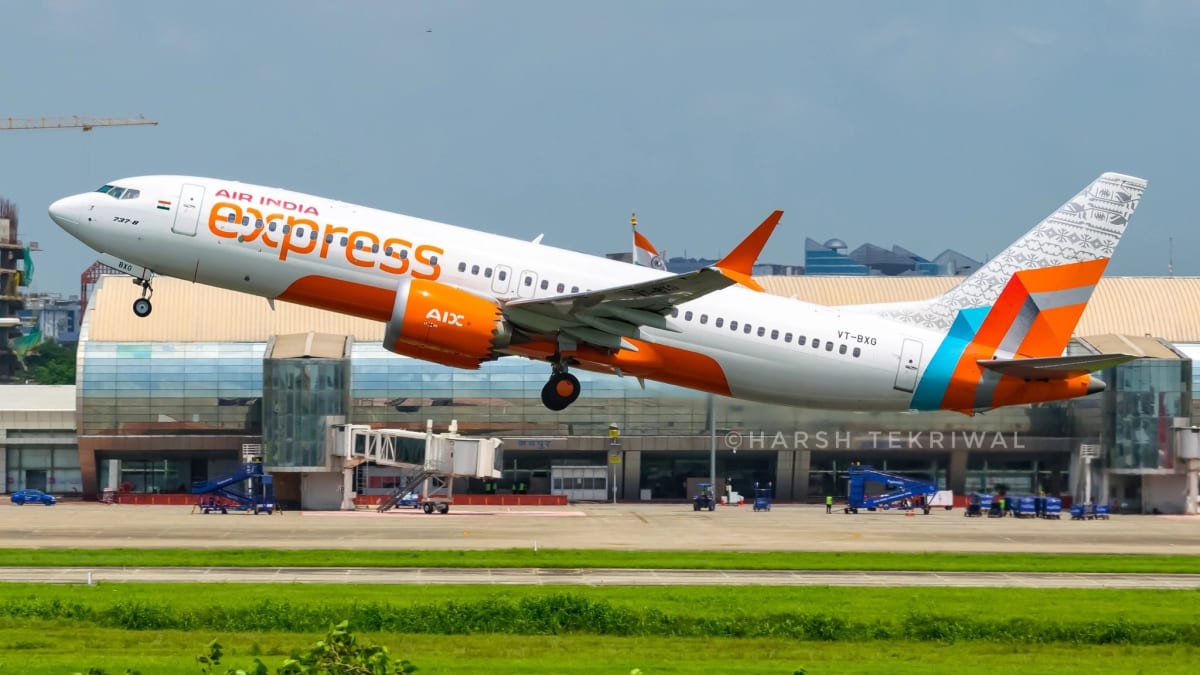
A Busy Southern India Route Experiences Turbulence on the Ground
The Bengaluru–Vijayawada sector is a high‑demand domestic route, linking Karnataka’s technology hub with Andhra Pradesh’s commercial and administrative center. Air India and Air India Express collectively operate multiple daily services between the two cities, typically scheduled at under two hours of flying time, making the route a preferred option for business and family travel alike.
Publicly available timetable data shows that flights on this sector are often structured as short domestic hops within longer aircraft rotations, meaning that a delay on an earlier leg can easily cascade into lengthy ground waits later in the day. Air India’s published schedules list Bengaluru’s Kempegowda International Airport as a key node in its southern India network, with Vijayawada appearing among its regular domestic destinations served via partner airline operations and connections.
Recent historical performance analyses compiled by commercial flight‑tracking and fare platforms indicate that flights between Bengaluru and Vijayawada experience delays in a minority of cases, but that when disruptions occur, they can be significant. One dataset tracking the route over the past year pointed to average delays of well over an hour on disrupted services, a pattern that matches passenger reports of waiting at the gate for extended periods when operations falter.
On the day of the latest disruption, travelers booked on an Air India service from Bengaluru to Vijayawada reported that their departure from Kempegowda International Airport was pushed back substantially from the originally scheduled time. While real‑time departure boards showed the flight as delayed, passengers described a period of uncertainty as they waited for firm revised timings and clarification on downstream impacts such as missed onward connections and late‑night arrivals.
Kempegowda Airport’s Growth and Operational Pressures
Kempegowda International Airport has undergone rapid expansion in recent years, emerging as one of India’s busiest aviation hubs. The opening and phased ramp‑up of Terminal 2 has enabled the airport to separate and redistribute domestic and international operations, with Air India and Air India Express consolidating their Bengaluru departures there as part of a broader hub‑development strategy.
According to published airport and airline information, Air India’s domestic flights in Bengaluru now utilize Terminal 2, while Kempegowda maintains a high volume of movements across both terminals. Public data from the airport operator and aviation authorities highlight the scale of operations, with daily traffic that can exceed a thousand movements in peak seasons. This volume increases the sensitivity of the system to even small disruptions, whether from adverse weather, airspace constraints, or technical and turnaround issues.
Past media coverage and official clippings released by the Airports Authority of India show how quickly conditions at Kempegowda can deteriorate when additional stress factors emerge. Early‑morning fog events have previously triggered waves of delays and diversions, while technical problems at other major Indian hubs have at times rippled into Bengaluru’s schedule, forcing airlines to revise departure times and reallocate aircraft and crews at short notice.
In this context, a single delayed Air India rotation can set off a chain reaction that reaches relatively short regional sectors such as Bengaluru–Vijayawada. Once an aircraft misses its assigned departure slot, subsequent congestion on the apron and in the departure queue may amplify the delay, prolonging the wait for passengers who are already boarded or waiting at the gate.
Passenger Experience: Long Waits and Limited Clarity
Accounts shared via social media and traveler forums about the latest Bengaluru–Vijayawada delay point to a familiar pattern for domestic flyers across India: rolling estimated departure times, crowded gate areas, and intermittent updates over public‑address systems. While Air India provides dedicated channels for reporting flight disruptions and lodging concerns, many affected passengers typically turn to live flight‑status tools and third‑party tracking websites to piece together what is happening in real time.
Air India’s own digital tools, including its website flight‑status tracker and mobile platforms, are designed to relay schedule changes, gate information, and revised timings. However, in practice, passengers often encounter a lag between what appears on the official systems and what is visible on airport departure boards or third‑party tracking services. This gap can heighten frustration during multi‑hour delays, especially for travelers who need to adjust ground transport or notify contacts in Vijayawada of their late arrival.
Travel‑search platforms that monitor punctuality on Indian domestic routes suggest that, while Bengaluru–Vijayawada services are not among the country’s most disrupted sectors, a notable share of flights operate significantly behind schedule. For those caught in such disruptions, the experience can be particularly disruptive given the relatively short nominal flight time, making several hours at the gate feel disproportionate to the journey itself.
Consumer‑rights guidance for Indian air travelers encourages passengers affected by substantial delays to retain boarding passes, screenshots of departure‑board timings, and any written communication from the airline. These records can be important if travelers later seek refunds, rebooking, or compensation under the carrier’s publicly stated flight‑disruption and customer‑service policies.
Air India and Partner Networks on the BLR–VGA Corridor
The Air India group, including Air India Express, plays a prominent role on the Bengaluru–Vijayawada corridor, operating several weekly flights that supplement services by other Indian carriers. Network information published by the airlines shows that Vijayawada is part of a wider southern and central India grid, with Bengaluru serving as both an origin and a connecting hub for travelers heading onward to cities such as Hyderabad, Chennai, and Delhi.
Booking and timetable pages maintained by Air India and Air India Express describe typical Bengaluru–Vijayawada flight times at around one hour and forty minutes, with distances of just over 500 kilometers. Fare data compiled by online travel platforms indicates that economy‑class one‑way tickets can sometimes be found in the mid‑INR 4,000 range on promotional days, although prices tend to rise around holidays and festivals.
Industry analysis of recent performance at Kempegowda International Airport suggests that Air India’s broader punctuality record at the hub has been relatively strong, with some aggregators estimating close to nine in ten flights arriving within fifteen minutes of schedule across the network over recent months. However, even with a generally positive on‑time record, the remaining fraction of flights that suffer moderate to major delays can impact hundreds of passengers per day across multiple routes.
For Vijayawada‑bound travelers, this means that while most flights will depart and arrive close to schedule, severe delays like the one recently experienced out of Bengaluru remain a tangible risk. Observers of India’s aviation sector note that as airlines densify their schedules and push for higher utilization of aircraft and crews, operational buffers often shrink, leaving less room to absorb unexpected disruptions without visible knock‑on effects.
What Travellers Can Do When Delays Strike
For passengers caught in a lengthy delay on the Bengaluru–Vijayawada route, several practical steps can help reduce uncertainty. Aviation authorities and airport guidance recommend checking both the airline’s official status tools and the airport’s live departures board, as data may refresh at different intervals. Calling the airline’s customer‑service line, using live chat where available, or reaching out via verified social‑media handles can sometimes yield more specific information on revised timings and rebooking options.
Air India’s customer‑support portal lists specific categories for flight disruptions, including delay, cancellation, missed connection, and diversion, and provides web forms through which travelers can raise concerns or feedback. Keeping receipts for meals, transport, and accommodation incurred as a result of a severe delay may be useful later if the airline offers vouchers or reimbursements under its published policies.
Regular flyers also highlight the value of building in contingency time when planning trips that rely on regional hops such as Bengaluru–Vijayawada, particularly when connecting to international departures or time‑sensitive events. Allowing for potential delays, monitoring weather and news affecting major hubs, and opting for earlier departures in the day can all provide a margin of safety in a system that is busy and still evolving.
Even as this latest Air India delay from Bengaluru to Vijayawada fades into the background of a growing domestic aviation market, it reinforces a core reality of modern air travel in India: high‑frequency routes through crowded hubs like Kempegowda International Airport are efficient when they work smoothly, but they can also magnify inconvenience when something goes wrong, leaving travelers reliant on clear information and responsive support.
Air India Bengaluru to Vijayawada flight information
Air India Express Bengaluru to Vijayawada route details