


More news on this day
When an international itinerary on Air India was hit by a major schedule change, one traveler believed they were doing exactly what the carrier wanted: accept the revised plan, then rebook to better dates using the airline’s own tools. Instead, that decision, taken in reliance on Air India’s rebooking guidance, ultimately cost about $2,000 in new tickets and nonrefundable trip expenses, highlighting how confusing airline policies and consumer rights can collide when flights move or disappear.
Get the latest news straight to your inbox!
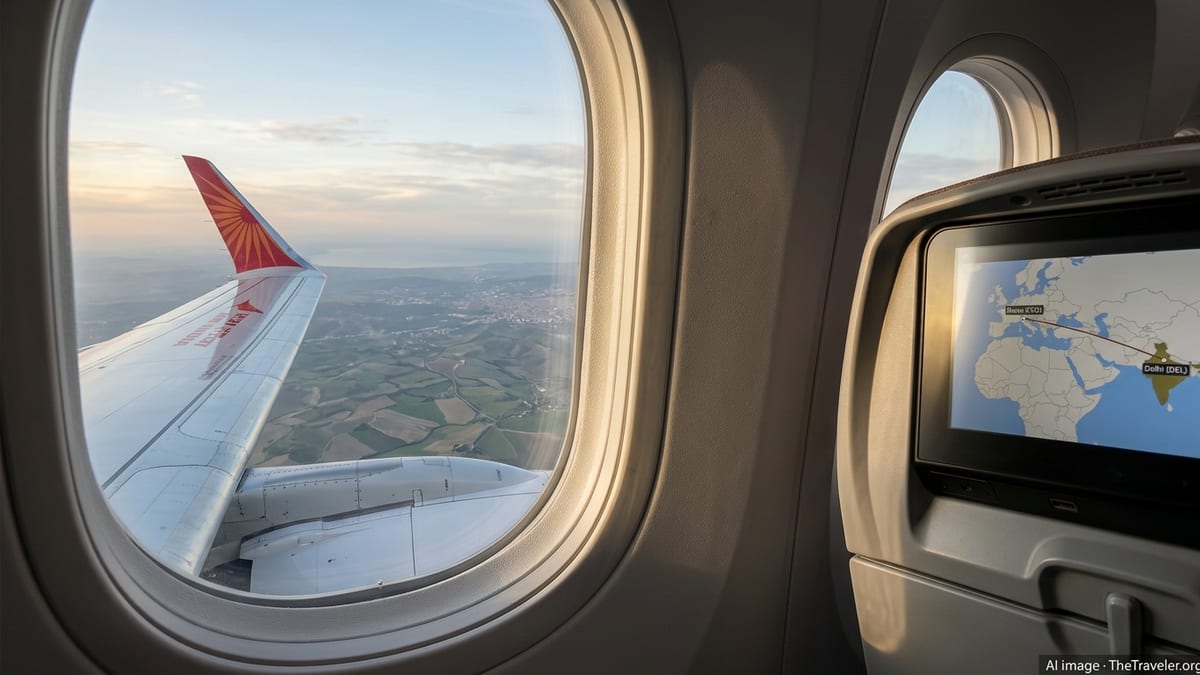
Schedule Changes, Confusing Choices, and a Costly Decision
In the reported case, the traveler originally held a multi‑segment itinerary on Air India that was significantly altered in advance of departure. Like many international carriers, Air India routinely adjusts timings or cancels individual legs as it refines its schedule. Publicly available policy documents describe these disruptions as “schedule changes” or “involuntary” changes, and state that affected customers may be offered new flights or refunds, depending on the circumstances.
According to published accounts of similar incidents, passengers are often notified of such changes by email or discover them when checking their booking online. In this instance, the traveler accepted an automatically proposed new routing so as not to risk cancellation, then sought to improve the itinerary to match prebooked hotels and tours. The traveler reports that they consulted Air India’s guidance and believed the best option was to lock in the airline’s alternative, then rebook dates using self‑service tools.
That decision quickly grew expensive. The alternative flights the traveler eventually needed to reach the destination on their original dates were no longer available at the original fare level, leading to roughly $2,000 in additional costs. The traveler later questioned whether they should have insisted on a refund at the time of the initial schedule change instead of following the path suggested by the airline’s online information and agents.
The case mirrors a broader pattern described in online forums, where travelers report struggling to understand whether they should accept airline‑initiated rebooking, push for different dates, or abandon the ticket and purchase new flights elsewhere when schedules shift significantly.
What Air India’s Published Rules Say About Rebooking
Air India’s published payment, refund, and cancellation information explains that when the airline cancels a flight, customers may use a “self service re‑accommodation” option that allows them to reschedule without additional charges, as long as the new flight falls within a specific time window and has seats available in the same cabin. The airline describes this as a free service when disruption is caused by Air India, although any fare difference can still apply if a different routing or cabin is chosen.
More detailed schedule‑change and disruption policy documents indicate that, for many itineraries, travelers can be moved without added fees to flights departing within several days of the original travel date, often in any booking class within the same cabin. Beyond that range, the rules generally shift, and any rebooking may be subject to standard fare conditions and possible price differences. Publicly available guidance also states that eligibility for self‑reaccommodation depends on factors such as having a valid e‑ticket, a registered email address, and an affected flight within a defined time frame.
In practice, passengers posting about their experiences report that interpreting these rules can be difficult. Some describe being offered only a limited set of new flights that arrive many hours or even a full day later than planned, while others say they were told to work through online travel agencies or partner airlines that originally sold the ticket. In several cases, customers who followed online prompts to accept new flights found that later changes triggered substantial additional costs.
The traveler whose rebooking attempt led to a $2,000 bill says they believed they were acting consistently with Air India’s published options, only to discover that once they moved outside the no‑fee window and the specific flights listed in the reaccommodation link, standard change‑fee and fare‑difference rules applied.
How Consumer Protections Vary by Route
Complicating the picture further, passenger rights differ sharply depending on where a journey begins, ends, and which jurisdiction’s rules apply. For trips touching the United States, the Department of Transportation has published guidance stating that consumers are generally entitled to a refund when an airline cancels a flight or makes a “significant” schedule change and the traveler decides not to travel on the altered itinerary. For U.S. itineraries, a delay that leads to arrival several hours later than originally scheduled can qualify as significant, giving passengers the option to reject rebooking and request their money back instead.
In Europe, separate passenger‑rights rules set out compensation and rerouting obligations for flights departing from the European Union or operated by EU carriers, although Indian airlines operating non‑EU segments may fall under different standards. Travelers on routes involving India and other regions often find themselves caught between overlapping frameworks, trying to determine which law actually covers a particular disruption.
Reports from recent Air India schedule changes show that some passengers have successfully insisted on full refunds when their flights moved by a day or more, while others accepted rebooked itineraries with very long layovers or inconvenient airport changes. Those who later tried to switch again often learned that once a new flight was accepted, their primary remedy under many consumer‑protection rules was considered used, leaving only the airline’s internal fare rules and any travel‑insurance coverage as recourse.
For the traveler who ended up $2,000 out of pocket, this patchwork of regulations and airline policies meant that a choice made quickly, in an effort to “do the right thing” by accepting the airline’s alternative, limited later options to demand a refund or an alternative carrier at no additional cost.
Lessons for Travelers Facing Schedule Turmoil
The experience has become a cautionary tale circulating in travel communities, where detailed posts outline how quickly a schedule change can turn into a four‑figure loss. One key lesson emphasized by frequent flyers is to pause before accepting any automatically proposed rebooking, especially when the new itinerary departs a different day, changes airports, or creates extremely long layovers.
Consumer advocates often recommend that, when a schedule change is substantial, travelers first ask whether they are eligible for a full refund rather than an automatic move to a new flight. If a refund is available, passengers can then compare the cost of buying a completely new itinerary against the fare differences and change fees that may apply to staying with the original carrier. In some cases, publicly available guidance from regulators notes that requesting a refund and starting over can be cheaper than modifying an existing ticket.
Travel‑insurance policies and certain credit cards may also provide some protection when a carrier’s change leads to additional hotel nights, new flights, or other out‑of‑pocket expenses, but coverage depends heavily on the policy language and whether the disruption is classified as a covered event. Travelers are urged to keep records of all communications, including screenshots of rebooking offers and written references to airline policies, in case they later pursue reimbursement or file complaints with consumer‑protection agencies.
For Air India customers, the case underscores the importance of reading the fine print on self‑reaccommodation tools and understanding exactly when rebooking remains free and when standard fare rules reassert themselves. The traveler who followed what they believed was Air India’s recommended path discovered only afterward that a few clicks in the wrong order could be the difference between a no‑cost schedule fix and a $2,000 lesson in modern airline complexity.