


More news on this day
Passengers at Quebec City Jean Lesage International Airport are facing significant disruption after four Air Inuit flights were grounded, triggering delays and missed connections across Canada and on routes linking the United States and France.
Get the latest news straight to your inbox!
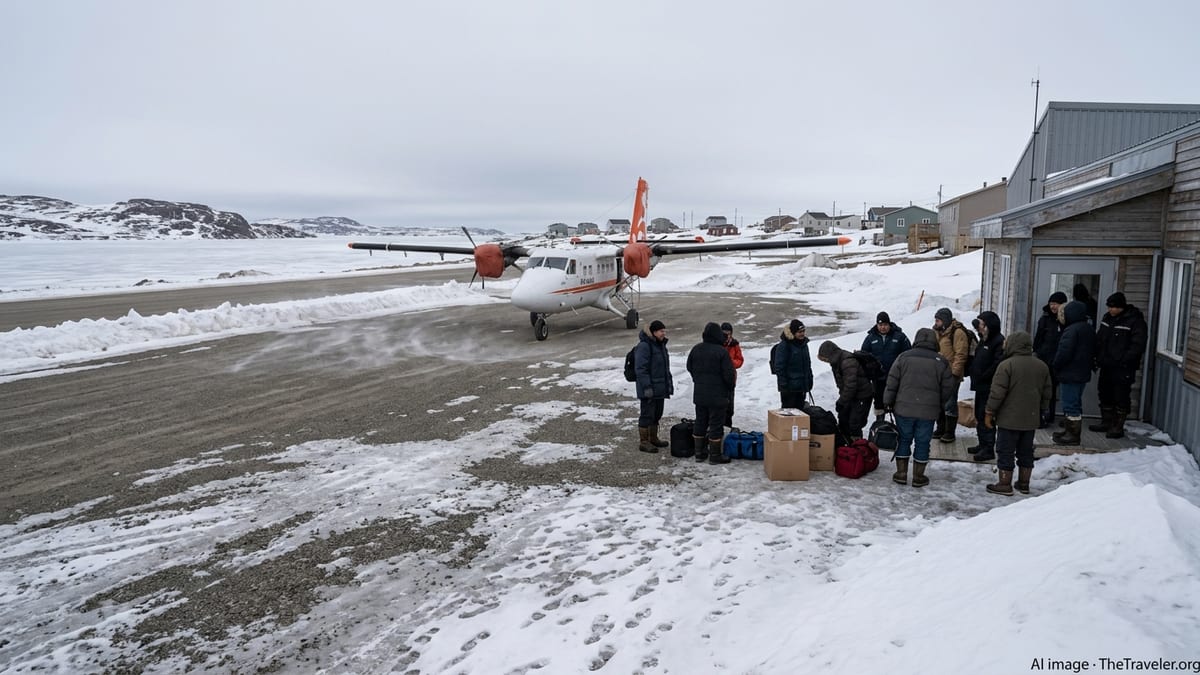
Grounded Regional Flights Ripple Across International Networks
Operational data and local reporting indicate that four Air Inuit services scheduled from Quebec City were cancelled or grounded in quick succession, affecting a mix of northern Quebec destinations and southbound connections. While the impacted flights are primarily regional, their role as feeders into larger hubs has created wider knock-on effects for travelers bound to and from Canada, the United States and France.
Air Inuit operates a network that links remote Nunavik communities with southern gateways such as Quebec City and Montreal. When several departures are removed from the schedule on short notice, passengers relying on those services to connect to long-haul flights on larger carriers can be left stranded or forced into lengthy re-routing. Publicly available tracking boards for Quebec City show clusters of cancellations and extended delays on affected departures and arrivals, with some passengers facing overnight stays.
According to published coverage on recent disruption days, Quebec City’s Jean Lesage Airport has been part of a broader pattern of instability in the Canadian air system, where even a small number of grounded regional flights can quickly complicate itineraries involving transborder and transatlantic travel. Travelers heading for U.S. gateways or Air France services via Montreal report scrambling to secure replacement connections or alternate routings once regional links fall out of the schedule.
The grounded Air Inuit flights come at a time when other Canadian carriers have also been adjusting capacity and cutting or consolidating routes, making same-day alternatives more difficult to find. As a result, disruptions that begin on short regional sectors can echo well beyond Quebec’s borders.
Impacts on Routes Touching Canada, the United States and France
The immediate cancellations involve Air Inuit’s operations within Quebec, but the consequences extend into international journeys. Passengers originating in remote communities often rely on Quebec City or Montreal as their first stop before continuing to major hubs in Toronto, Paris, or U.S. cities such as New York and Chicago. When those first legs are grounded, the entire chain of onward bookings is placed at risk.
Published data on recent travel days show that Quebec City and Montreal have each handled waves of delays and cancellations involving Air Canada, Jazz and Air France, among other carriers. In that context, the removal of four Air Inuit flights from the roster further strains already tight connection windows. Travelers who miss an evening departure to the United States, or an overnight transatlantic service to France, may find that the next available seat is not until the following day.
According to publicly accessible flight disruption trackers, some passengers connecting from Air Inuit to Air France’s Quebec and Montreal services have faced last-minute rebookings via alternative Canadian hubs, extended layovers, or unexpected overnight stops. The resulting itinerary changes increase costs for accommodation and meals and may cause travelers to miss work commitments, tour departures or family events at their final destinations.
For U.S.-bound passengers, the timing of regional cancellations can be especially critical. Many cross-border flights depart in concentrated morning and late-afternoon banks; missing those banks can mean a long wait in terminals or a complete reshuffling of travel plans. Reports from recent disruption days suggest that this week’s Air Inuit grounding has contributed to that pattern for some Quebec-based travelers.
Unclear Causes Amid Wider Strain on Canadian Aviation
As of the latest publicly available information, the precise reasons behind the four grounded Air Inuit flights at Quebec City have not been fully detailed. Canadian carriers have recently cited a variety of pressures in their operations, including crew availability, aircraft maintenance cycles, runway and airport infrastructure work, and volatile fuel costs.
In northern Quebec, Air Inuit has previously highlighted runway and airside maintenance projects at certain remote airports, and the airline’s published advisories show schedule adjustments tied to infrastructure work and seasonal conditions. Although there is no immediate confirmation that such factors are responsible for the latest disruptions at Quebec City, industry observers note that fragile regional networks are particularly vulnerable when even a single aircraft or crew pairing becomes unavailable.
More broadly, recent coverage of the Canadian aviation sector points to recurring congestion and cascading delays at major hubs such as Toronto Pearson and Montreal Trudeau. When those large airports are operating with reduced margin, regional carriers feeding into them have less flexibility to absorb unexpected schedule changes. Grounded flights at Quebec City therefore fit into a wider national picture of strained capacity and tight operational buffers.
Travel analysts also note that several airlines serving Canada and transatlantic markets, including carriers flying between Quebec and France, have been fine-tuning route networks in response to economic and geopolitical factors. This environment can make it harder to find backup options when disruptions occur without warning.
Advice for Affected Travelers at Quebec City Jean Lesage Airport
Passenger advocacy groups and consumer information platforms recommend that anyone affected by the grounded Air Inuit flights act quickly to protect their itinerary. Travelers are being advised in public guidance to document the disruption, retain boarding passes and booking confirmations, and capture screenshots of departure boards or airline communications in case they need to pursue refunds or compensation later.
Specialists in air passenger rights point out that Canadian regulations require carriers to provide varying levels of support depending on the cause of a disruption and the size of the airline. For regional operators, obligations may focus on rebooking and basic assistance rather than cash compensation, particularly if the stoppage is linked to weather or airport infrastructure issues. Passengers connecting from Air Inuit to larger international carriers may need to coordinate with both airlines to secure alternative routes.
Publicly accessible advisories for Quebec City Jean Lesage Airport emphasize the importance of arriving early during periods of disruption and monitoring flight status frequently, as schedules can change rapidly. Travelers with same-day connections to the United States or France are encouraged to build in additional buffer time, given the possibility of check-in queues, security slowdowns and last-minute gate changes.
Consumer advocates further suggest that those with time-sensitive commitments consider flexible booking options, including refundable fares or travel insurance that covers missed connections. While such measures add upfront cost, they can provide an extra layer of protection in an environment where even a handful of grounded regional flights can quickly cascade into an international travel headache.