


More news on this day
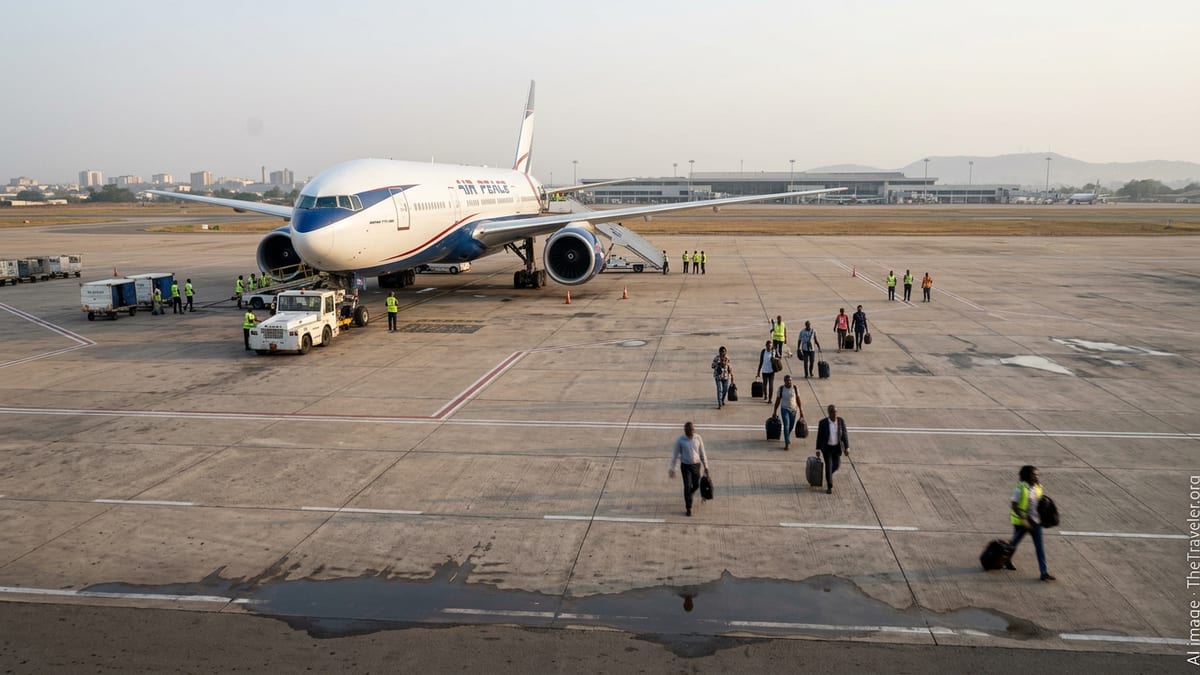
Fresh scrutiny over Nigeria’s domestic flight reliability is intensifying after Air Peace and United Nigeria Airlines (UNA) challenged the Nigeria Civil Aviation Authority’s (NCAA) published disruption scorecard for August 2026, arguing that the regulator’s numbers and methodology do not reflect what happened on the ground for passengers.
Get the latest news straight to your inbox!
What NCAA’s August disruption scorecard shows
Published coverage indicates the NCAA’s August 2026 summary put the scale of disruptions into stark terms: 15 domestic carriers operated 7,961 flights during the month, with 4,765 delayed and 36 cancelled. In other words, a majority of flights were recorded as departing later than scheduled.
The NCAA breakdown also shows delays were not only frequent but often long. The regulator’s summary categorized delays by length, including delays between 16 minutes and one hour, one to two hours, two to three hours, and three hours and above. The report identified 235 flights delayed three hours or more across the market.
For the two carriers at the center of the latest dispute, the scorecard attributed 1,864 flights to Air Peace in August, with 1,330 delayed and seven cancelled. For United Nigeria, the NCAA listed 1,231 flights with 943 delayed and eight cancelled, the highest cancellations total among the carriers in the published table.
Air Peace and UNA say the numbers are wrong, not just uncomfortable
Air Peace’s central argument, according to published reporting, is that the NCAA data set undercounted its total flights for August, which would inflate the airline’s delay rate. The airline said it operated 2,564 flights in August, compared with the 1,864 flights reflected in the NCAA summary, a difference of more than 700 flights.
Beyond the flight-count dispute, Air Peace also challenged the way the disruption report frames responsibility. Published coverage indicates the airline said the scorecard did not distinguish airline-controlled disruptions from delays driven by external constraints such as airport congestion, weather, industrial action, and other operational factors that can affect multiple carriers at once.
United Nigeria’s response has unfolded alongside a separate regulatory spotlight. The NCAA published a notice dated September 10, 2026 describing directives to United Nigeria to improve flight operations and adhere to passenger-rights requirements, after recent disruptions that left travelers stranded without adequate communication or support.
A separate NCAA directive puts United Nigeria’s operations under pressure
In the same September 10, 2026 NCAA publication, the regulator warned United Nigeria against expanding routes beyond fleet capacity, and emphasized that airlines should avoid scheduling that cannot be reliably flown with available aircraft and crew. The document also references expectations under Part 19 of the Nigeria Civil Aviation Regulations (Nig. CARs), 2023, focusing on consumer protection, communications, and handling of disruptions.
The NCAA publication also indicates the airline committed to resolving pending refund cases within 14 days, which the regulator described as the official refund timeline. For passengers, that public timeline matters because it frames when follow-ups with the airline or escalation through formal complaint channels may become appropriate.
While the directive is separate from the monthly scorecard dispute, together they highlight a recurring tension in Nigeria’s domestic market: airlines say system constraints drive many disruptions, while the regulator is increasingly documenting performance and setting expectations around scheduling discipline and passenger care.
Why the data dispute matters to travelers, not only airlines
Monthly performance tables influence how travelers choose carriers, how corporates set travel policies, and how travel agents manage risk on tight itineraries. When airlines argue that a regulator’s flight count is incomplete, the practical issue is not simply reputational; it can change the apparent probability of encountering a delay on a given airline.
At the same time, even if the airlines’ methodology concerns are valid, the NCAA’s table still reflects a broader pattern: widespread delays across multiple carriers, with a significant number extending beyond one or two hours. For travelers, that means planning around buffer time remains essential, especially for same-day connections between Nigerian cities or for domestic legs that feed international departures.
The dispute also underscores the value of transparency about causes. Travelers generally experience disruptions as a single event, but operational responsibility can vary, ranging from aircraft availability and crew positioning to airport congestion and weather. How future reports separate those factors could affect how passengers interpret “on-time performance” claims.
What passengers can do now when flying Nigeria’s domestic network
Given the level of delays recorded for August 2026, travelers may want to adjust planning assumptions rather than treating schedule times as firm. That can include choosing earlier flights when an evening arrival is non-negotiable, and avoiding tight turnarounds between flights booked on separate tickets.
For trips that must connect to international departures, building extra time into the itinerary can reduce the chance that a domestic delay cascades into missed check-in cutoffs. Where possible, travelers can also consider arriving in the international departure city the night before, particularly during periods known for congestion and weather disruption.
On the service side, publicly available NCAA communications in September 2026 have placed emphasis on passenger-rights compliance, timely delay updates, and refund timelines. For travelers impacted by significant delays or cancellations, keeping documentation of schedule changes, receipts, and airline communications can help when pursuing rebooking or refunds within published timelines.