


More news on this day
A fresh marketing alliance between AirAsia and the Cambodia Tourism Board is set to connect Cambodia more firmly with key outbound markets in India and Australia, combining airline capacity with destination branding to accelerate visitor growth across the Asia Pacific.
Get the latest news straight to your inbox!
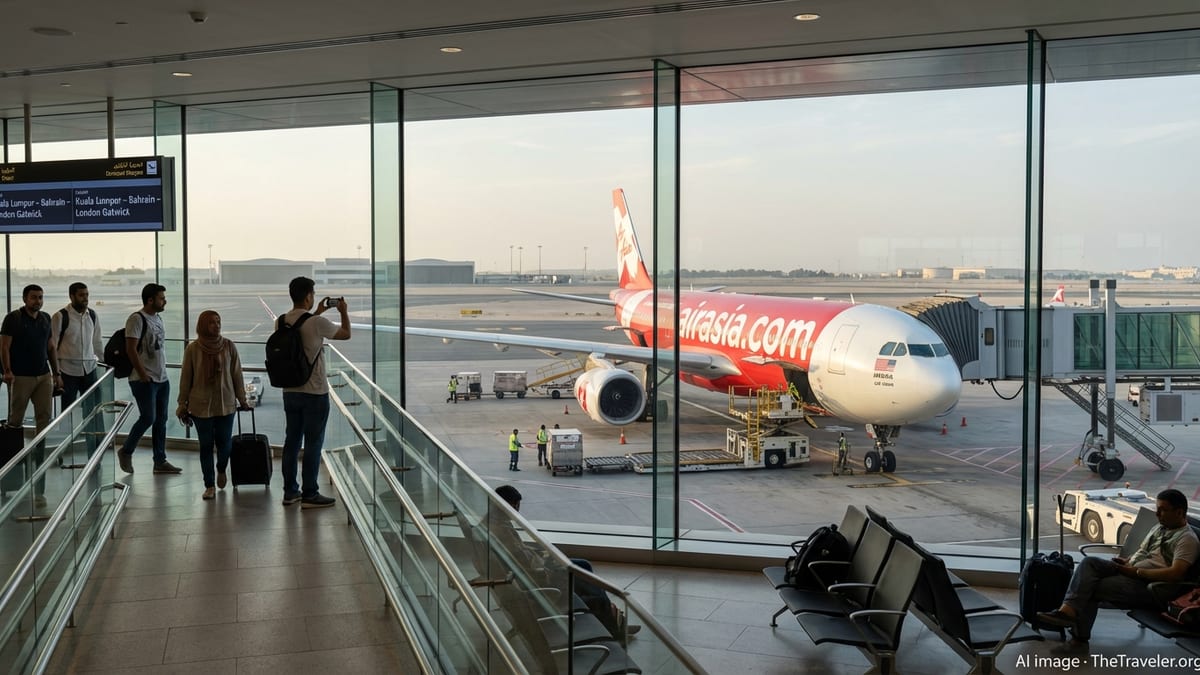
Strategic Pact Puts Cambodia at the Center of a Three-Way Corridor
Publicly available information shows that AirAsia Cambodia and the Cambodia Tourism Board have signed a strategic agreement worth around 100,000 US dollars to promote travel to Cambodia from India and Australia. The initiative positions Cambodia as the focal point of a three-way tourism corridor, using AirAsia’s regional network to channel demand from major Indian and Australian cities.
Reports indicate that the agreement, signed in Phnom Penh in early June 2026, will support joint marketing from May onward, aligning with Cambodia’s broader campaign to lift international arrivals. The focus on India and Australia reflects both markets’ strong appetite for short and medium haul leisure trips, as well as rising interest in heritage, nature, and value driven experiences in Southeast Asia.
The alliance gives Cambodia access to AirAsia’s distribution, data, and media channels across Asia, while the airline benefits from stronger destination branding that can help fill seats on existing and future routes. Industry coverage notes that the move comes as Cambodia seeks to diversify beyond traditional feeder markets and extend visitor stays by positioning the country as part of multi-country itineraries.
Analysts following the sector suggest that the structure of the deal mirrors previous cooperative marketing efforts between airlines and national tourism organizations in Australia and India, where matched funding and shared creative assets have been used to accelerate demand in priority cities.
Joint Campaigns Target Indian and Australian Leisure Travelers
According to published coverage of the agreement, the 100,000 US dollar investment will fund a mix of digital campaigns, advertising promotions, and participation in trade and consumer travel shows in India and Australia. The activity is designed to raise awareness of Cambodia’s cultural and coastal attractions while emphasizing affordability through low cost fares.
The first waves of activity are expected to highlight well known drawcards such as Angkor’s temple complexes, Phnom Penh’s riverside and cultural districts, and southern beach destinations, alongside newer themes including ecotourism and community based travel. The messaging also seeks to underline improved infrastructure, with Cambodia positioning itself as a modern, convenient hub for regional exploration.
Indian travelers are a particular focus, reflecting India’s status as one of the world’s fastest growing outbound markets. Joint digital campaigns are anticipated to run in major metros where AirAsia already has a strong brand presence, steering potential visitors toward short breaks and multi stop itineraries that combine Cambodia with neighboring Southeast Asian countries.
In Australia, the partnership builds on previous brand activity that has promoted Australian gateways through AirAsia’s network. Current reporting suggests that the new Cambodia focused campaign will look to convert Australian interest in Southeast Asia into concrete itineraries that pair coastal stays and heritage touring, with price competitiveness remaining a key selling point.
Influencer Trips and Trade Engagement Aim to Shift Perceptions
Information released about the alliance notes that so called familiarisation trips for media and key opinion leaders from India and Australia form a central pillar of the plan. These visits are expected to showcase both flagship sites and lesser known experiences, from emerging beach towns to rural cultural routes, with the goal of refreshing Cambodia’s image beyond its iconic temple landscapes.
Such trips are commonly used in airline and tourism board partnerships to generate coverage across social media, travel platforms, and mainstream outlets. In this case, organizers are likely to focus on themes that resonate strongly in both India and Australia, including family friendly itineraries, food and nightlife, and responsible wildlife and nature encounters.
Trade engagement is also part of the blueprint, with participation in travel fairs and roadshows in priority cities. By working more closely with tour operators, online travel agencies, and retail travel networks, AirAsia and the Cambodia Tourism Board aim to secure more Cambodia inclusive packages and promotions on sale in the market.
Industry observers note that this strategy aligns with recent moves by other airlines and tourism agencies in the region that have leveraged joint budgets to stimulate demand. The objective is not only to boost arrivals, but also to nudge visitors toward higher value segments such as longer stays, regional touring, and off peak travel.
AirAsia Network Connectivity Underpins the Marketing Push
Background data on AirAsia’s route map shows that the carrier and its affiliates operate a dense network linking Southeast Asia with India and Australia, providing the aviation backbone that underpins the new marketing initiative. Cambodia is increasingly positioned as a node within this network, with fly through options that allow travelers to connect between Indian cities, Cambodian gateways, and onward destinations across Asia and the Pacific.
Commentary on Cambodia’s tourism recovery notes that wider regional connectivity is helping the country recover air capacity and capture travelers who are building multi country trips. AirAsia’s low cost model, combined with its digital distribution platforms, creates opportunities to bundle flights with accommodation, activities, and ground transport promoted in tandem with the Cambodia Tourism Board’s campaigns.
For India, the network allows passengers to transit through Southeast Asian hubs en route to Cambodia, often combining stops in Malaysia or Thailand. For Australia, connections through established AirAsia gateways in the region make it possible to integrate Cambodia into longer Asia focused holidays, appealing to price sensitive but experience hungry travelers.
Observers suggest that if the marketing alliance delivers measurable uplift in bookings and arrivals, it could support arguments for additional frequencies or new routes linking Cambodia more directly with secondary cities in India and Australia, deepening the three way corridor that the current agreement seeks to stimulate.
Implications for Cambodia’s Tourism Recovery and Future Plans
Reports on Cambodia’s tourism performance in 2025 and early 2026 indicate that arrivals are rising as new airports and airline partnerships come online. The AirAsia and Cambodia Tourism Board marketing alliance is widely viewed as one component of a broader strategy to reposition the country as a year round destination rather than a single site stopover.
By focusing on India and Australia, the campaign supports diversification away from a handful of traditional source markets and reduces exposure to fluctuations in any one region. These markets also tend to generate higher per trip spending when itineraries extend beyond a few days, an important consideration for Cambodia’s tourism revenue targets.
The collaboration may also influence how other tourism boards and airlines approach joint marketing across the Asia Pacific. Previous agreements between carriers and national tourism organizations in Australia and India have demonstrated that relatively modest co funded campaigns can produce significant gains when paired with strong air connectivity and competitive fares.
Looking ahead, observers will be watching for indicators such as incremental seat sales on Cambodia bound routes, increased search and booking activity from Indian and Australian cities, and a broader spread of itineraries that include secondary Cambodian destinations. If these trends materialize, the AirAsia and Cambodia Tourism Board initiative could become a template for future three market alliances that link emerging destinations with large, fast growing outbound travel markets.