


More news on this day
Airbus is reporting no sign of mass jet order cancellations despite a sharp rise in fuel costs, highlighting how persistent travel demand and a drive for efficiency are outweighing short term cost pressures for many airlines.
Get the latest news straight to your inbox!
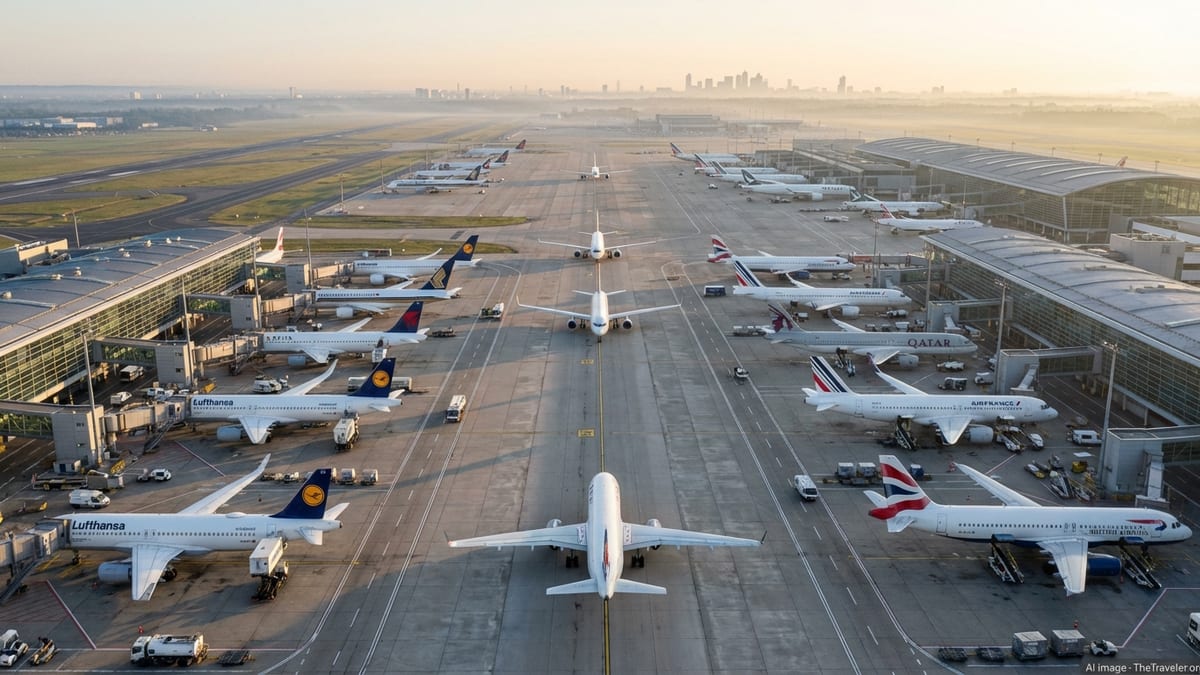
Fuel Shock Tests Airline Economics but Not Aircraft Orders
Recent turbulence in global energy markets has pushed jet fuel prices sharply higher, pressuring airline margins and prompting fare increases and capacity adjustments across several regions. Publicly available data links the price spike to geopolitical tensions involving the United States, Israel and Iran, which have disrupted key air routes and tightened supplies of refined products.
In this environment, industry analysts have been watching closely for signs that airlines might slow or cancel aircraft purchases. Large jet orders typically reflect long term views on passenger demand and network strategy, but sustained cost inflation can influence fleet plans, especially for financially stretched carriers.
According to published coverage of remarks made in Berlin on June 9, Airbus chief executive Guillaume Faury said the manufacturer is not seeing a wave of cancellations or deferrals in its order book. Reports indicate that while airlines are reassessing near term schedules and pricing, their long term fleet renewal and growth plans remain largely intact.
The message aligns with broader aviation commentary suggesting that carriers view the current fuel shock as another in a series of post pandemic challenges, rather than a structural change that would justify walking away from scarce delivery slots for new, more efficient aircraft.
Travel Demand and Efficiency Drive Underlying Resilience
Several years after the worst of the pandemic downturn, global air travel has largely recovered, with many markets now exceeding 2019 passenger levels. Industry surveys and financial updates show that leisure demand in particular has remained robust, with travelers continuing to prioritize trips despite higher ticket prices.
Against that backdrop, the economics of newer aircraft types has become even more important. Modern Airbus models are designed to burn significantly less fuel than older jets of comparable size, helping airlines reduce both operating costs and emissions. With fuel now a larger share of total expenses, these efficiency gains appear to be reinforcing the case for fleet renewal rather than weakening it.
Analyst commentary referenced in aviation trade publications notes that carriers which delay upgrading their fleets could face a double penalty: higher fuel bills from older aircraft and the risk of losing competitive ground to rivals flying more efficient jets. For airlines with strong balance sheets, investing in new aircraft can therefore be seen as a hedge against continued energy price volatility.
This calculus helps explain why, according to sector reports, Airbus continues to carry a substantial backlog of orders spanning many years of production, even as individual airlines adapt capacity and pricing to near term fuel and demand conditions.
Capacity Adjustments and Hedging Strategies Shape Airline Responses
Higher fuel costs are nonetheless having visible effects on airline operations. Publicly available information on carrier schedules and corporate updates shows that some airlines are trimming frequencies on marginal routes, consolidating services at off peak times, or reallocating capacity toward higher yielding markets to protect profitability.
Fuel hedging strategies also play a critical role in how individual airlines experience the price surge. Some carriers, particularly in Europe and Latin America, have reported significant portions of their fuel needs locked in at previously negotiated prices, softening the immediate impact but leaving exposure if elevated costs persist after hedges roll off.
Other airlines, including certain operators in the Americas, continue to avoid hedging in favor of flexible pricing and capacity management. For these carriers, the current spike feeds more directly into quarterly results, but management teams argue that strong demand and disciplined capacity can offset part of the shock through fares and ancillary revenues.
Despite these tactical differences, sector commentary suggests a common thread: airlines are using a mix of pricing power, schedule optimization, and efficiency gains from newer aircraft to navigate the fuel shock, rather than resorting to widespread jet order cancellations.
Production Constraints Keep Aircraft Delivery Slots in High Demand
Another factor supporting Airbus’s order book is the limited availability of near term delivery slots. Supply chain disruptions, labor constraints and engine availability issues have all contributed to slower than planned ramp ups in aircraft production across the industry over the past several years.
According to financial disclosures and industry briefings, Airbus has been working to increase output of its popular single aisle family while managing bottlenecks in key components. The result is a multiyear backlog that stretches well into the latter part of the decade for certain models, particularly high demand narrowbody jets used on short and medium haul routes.
For airlines, surrendering an existing slot can mean moving to the back of the queue at a time when demand for efficient capacity remains strong worldwide. Aviation analysts note that this scarcity value makes airlines more reluctant to cancel, even when short term conditions turn challenging, because reacquiring similar positions later may be difficult or costly.
Published commentary from industry consultants also points out that aircraft lessors, which hold a significant portion of Airbus’s backlog, have continued to place and re place aircraft with operators as travel demand recovers, helping keep the pipeline of deliveries active and reducing the likelihood of systemic cancellations.
Implications for Travelers and the Wider Aviation Market
For travelers, Airbus’s confidence in its order book suggests that airlines still expect to operate larger and more modern fleets over the next decade, even as they fine tune near term schedules. While high fuel costs may continue to push fares higher or limit capacity growth on some routes, the ongoing arrival of fuel efficient aircraft could support more competitive pricing over time than would be possible with exclusively older fleets.
Route networks may also continue to evolve as airlines direct their newest jets toward markets with strong demand and premium yields, including long haul leisure destinations and key business hubs. This could translate into more point to point connectivity on certain international corridors as carriers deploy new generation aircraft capable of operating efficiently on longer, thinner routes.
From a broader industry perspective, the lack of widespread cancellations at Airbus reinforces the view that commercial aviation’s long term growth trajectory remains intact despite periodic shocks from fuel markets and geopolitics. Manufacturers, suppliers and airports are likely to continue planning around scenarios of incremental capacity additions, even as they adapt to near term cost and infrastructure constraints.
For now, the combination of resilient demand, scarce production slots and strong airline interest in fuel efficient aircraft appears to be cushioning Airbus from the immediate fallout of higher fuel prices, underscoring a structural shift in how the industry balances short term volatility with long term fleet strategy.