


More news on this day
Thousands of travellers across Kenya and beyond are facing severe disruption after an aviation workers’ strike paralysed operations at Nairobi’s Jomo Kenyatta International Airport (JKIA) and Mombasa’s Moi International Airport, leaving terminals crowded with stranded passengers and cancelled or heavily delayed flights.
Get the latest news straight to your inbox!
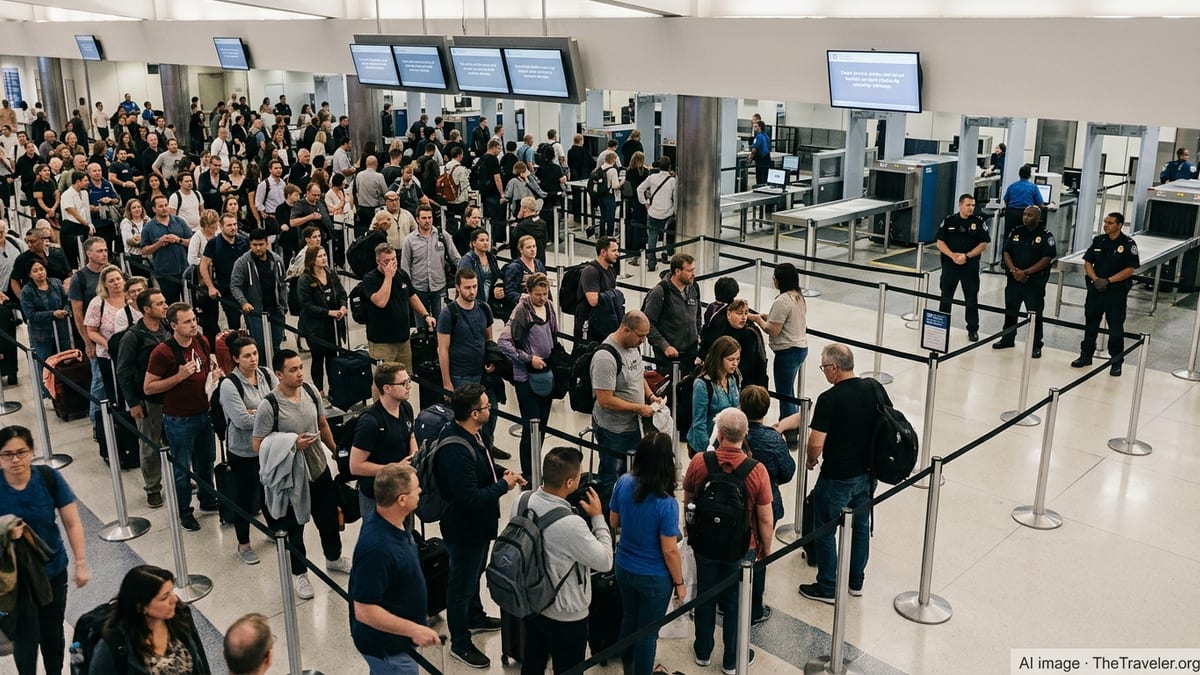
Strike brings Kenya’s main air gateways to a standstill
Reports from Kenyan and international outlets indicate that the industrial action began as a go slow on Sunday, August 30, 2026, before escalating into a full strike that severely limited services at JKIA and Moi International Airport. Check in, baggage handling and other ground operations were disrupted as aviation staff withdrew their labour over long running disputes about pay, benefits and working conditions.
Publicly available coverage describes departures boards filled with delayed and cancelled flights, with aircraft unable to turn around on schedule and some services diverted or scrubbed altogether. At JKIA, East Africa’s busiest hub, delays rippled across domestic, regional and long haul routes, affecting passengers bound for destinations across Africa, the Middle East and Europe.
According to multiple news reports, airlines struggled to rebook affected travellers or position replacement crews and aircraft, creating an extensive backlog. Some carriers arranged hotel accommodation and ground transport for those forced to stay overnight, although accounts from the terminals suggest that assistance varied between airlines and that many passengers spent the night on terminal benches and floors.
Passengers stranded at JKIA and Moi as delays stretch overnight
Local media coverage from Nairobi shows crowded departure halls at JKIA, where hundreds of passengers remained in the terminal through Sunday night and into Monday morning after flights were repeatedly pushed back or cancelled. Travellers described long waits with limited information, as departure times were revised several times before services were eventually pulled from the boards.
In Mombasa, reports from Moi International Airport point to a similar picture, with tourists and local travellers alike stranded after outbound flights failed to operate on schedule. Coverage from national outlets indicates that some international visitors, including package tourists on coastal holidays, now face missed connections in third countries and unplanned extensions to their stays in Kenya.
Travel advisories and airline updates referenced in local reporting encourage passengers heading to or from JKIA and Moi to verify their flight status before proceeding to the airport, even for services scheduled several days out. Observers of previous aviation strikes in Kenya note that once operations restart, it can still take days for airlines to fully clear the backlog and return to normal schedules.
Union grievances and background to the aviation dispute
Publicly available information attributes the latest disruption to industrial action by members of the Kenya Aviation Workers Union, who have repeatedly raised concerns about unpaid or delayed allowances, staffing levels, and implementation of collective bargaining agreements. According to local business and labour coverage, union representatives argue that negotiations over these issues have dragged on for years without what they view as adequate progress.
The strike also follows a period of heightened tension in Kenya’s aviation sector, including earlier work stoppages and protests over proposed changes in airport management and questions about privatization. Regional and international news outlets have previously noted that any prolonged shutdown at JKIA can quickly translate into wider economic costs, given the airport’s role in passenger travel, cargo flows and tourism.
Analysts cited in Kenyan commentary highlight that this latest walkout reinforces long standing concerns about labour relations at key transport hubs. They point out that, while passengers immediately feel the impact through missed flights and disrupted trips, disputes of this scale also have implications for investor confidence in aviation infrastructure and related sectors.
Wider impact on regional travel and tourism
JKIA handles more than 9 million passengers a year and serves as a primary gateway for East and Central Africa, connecting regional capitals with Europe, the Middle East and parts of Asia. Moi International Airport, while smaller, is a vital access point for Kenya’s coastal tourism belt and for domestic links between Nairobi, Mombasa and other cities. Disruptions at both airports therefore have an outsized impact on the wider region’s travel network.
Travel industry bodies and tour operators quoted in recent coverage warn that prolonged uncertainty around airport operations could affect high season bookings, particularly for international visitors planning safaris and beach holidays that rely on smooth connections through Nairobi and Mombasa. Some operators have reportedly begun exploring alternative routings through neighbouring hubs to safeguard itineraries, although such changes typically involve extra time and cost for travellers.
Regional media also highlight the effect on business travel and cargo. Delays in passenger services can be accompanied by hold ups in air freight, affecting sectors that depend on time sensitive shipments such as horticulture and pharmaceuticals. While the immediate focus remains on getting stranded passengers moving, commentators suggest that the full economic fallout may only become clear once flight schedules stabilise.
What affected travellers are being advised to do
Across multiple outlets, airlines and travel industry organisations are urging customers booked to travel via JKIA or Moi in the coming days to monitor flight updates closely and to make use of online and mobile rebooking tools where available. Some carriers have introduced temporary change fee waivers or flexible travel policies for tickets touching Kenyan gateways during the strike period.
Consumer and aviation experts quoted in local reporting recommend that stranded passengers document disruption related expenses, such as additional accommodation or meals, in case compensation or reimbursement options are later offered under airline policies or applicable regulations. They also advise maintaining regular contact with airlines through official channels, as call centres and airport desks can become overwhelmed during major irregular operations.
For travellers yet to depart, recent commentary from travel associations suggests allowing extra time at the airport once operations begin to recover, as check in, security and boarding queues may remain longer than usual while staff and systems catch up with delayed services. Passengers with tight onward connections are being encouraged to consider more generous layover times or, where possible, to postpone non essential trips until the situation is fully resolved.
People Daily coverage of the JKIA and Moi strike
Pulse Kenya report on aviation workers’ strike disruptions