


More news on this day
Hundreds of passengers were left stranded overnight at Nairobi’s Jomo Kenyatta International Airport after a fresh aviation workers’ strike disrupted flights for a second day, forcing travelers to sleep in terminals or seek last-minute accommodation across the Kenyan capital.
Get the latest news straight to your inbox!
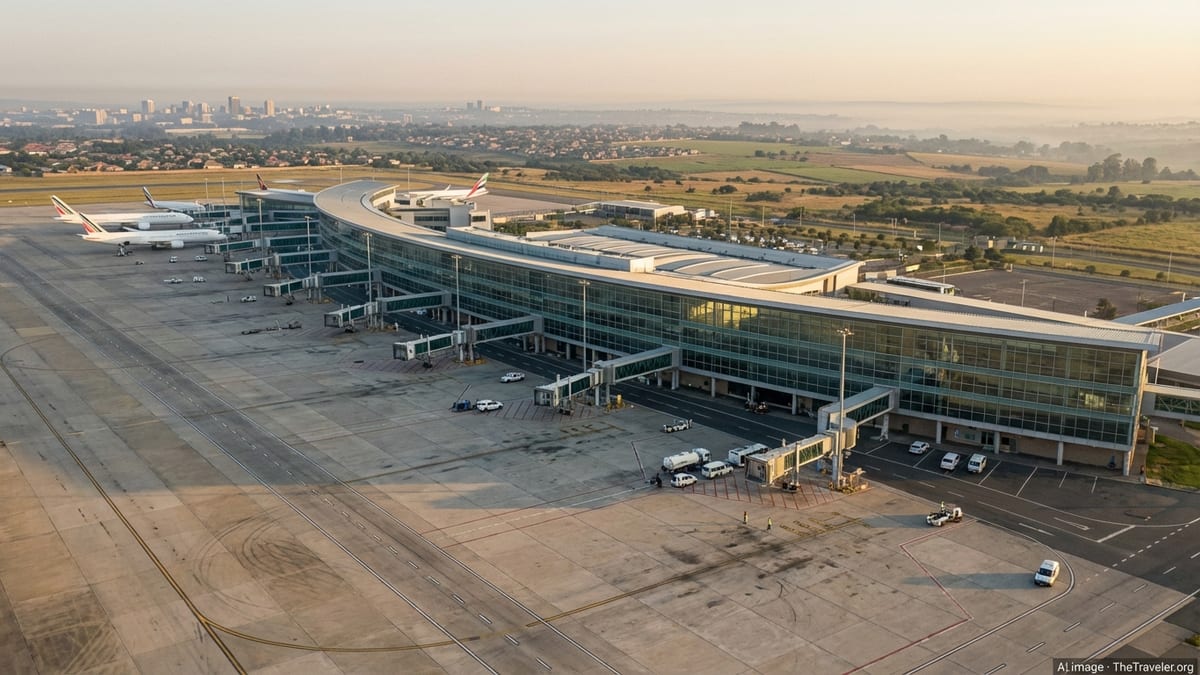
Second strike in 2026 brings major hub to a standstill
Reports from Nairobi indicate that the latest industrial action began on Sunday, August 30, 2026, when aviation workers at Jomo Kenyatta International Airport (JKIA) and other key airports started a go-slow that escalated into a wider stoppage of services. The action involved employees linked to the Kenya Aviation Workers Union and affected multiple categories of staff, from ground handling to support services, sharply reducing the airport’s ability to process arriving and departing flights.
Coverage from regional and international outlets describes scenes of crowded departure halls, with passengers sitting on the floor or outside the terminal buildings alongside piles of luggage as the strike entered its second day on Monday, August 31. Many travelers reported missed connections and long waits for information while screens showed a growing list of delayed or canceled flights.
The walkout marks the second major labor-related disruption affecting JKIA in 2026, following a separate strike earlier in the year that also reduced operations at Kenya’s main aviation gateway. Publicly available information highlights that the airport serves as a crucial hub for East and Central Africa, so any slowdown in operations quickly impacts regional and long-haul routes.
Overnight ordeal for stranded passengers
News reports document how hundreds of passengers ended up spending the night inside JKIA’s terminals on Sunday into Monday as airlines adjusted schedules or diverted aircraft. With hotels near the airport quickly filling, some travelers opted to camp out on benches or terminal floors, while others searched for accommodation in Nairobi at short notice.
Images shared in published coverage show travelers clustered around check in zones and ticketing counters, with luggage trolleys being used as makeshift barricades or headrests. Several accounts describe families with young children sleeping in public areas and passengers forming queues at food outlets that remained open despite the disruption.
Publicly available travel advisories from airlines encouraged customers to check the status of their flights before heading to JKIA and warned that rebooking options could be limited while the strike continued. At the same time, independent passenger information sites noted that flight operations were being rerouted or scaled back as carriers waited for clarity on staffing levels.
Nationwide impact across Kenya’s aviation network
While the most visible scenes of disruption played out at JKIA, local media coverage indicates that the industrial action also affected other key airports in Kenya, including Moi International Airport in Mombasa. Reports suggest that reduced staffing levels slowed processing of both domestic and international flights, creating knock on delays throughout the network.
Accounts from Mombasa and other regional airports describe travelers waiting in departure lounges without clear departure times, with some flights delayed for several hours. Information carried by Kenyan outlets notes that certain services were diverted to alternative airports or rescheduled to later time slots in an effort to keep some traffic moving.
Independent analyses of flight tracking data referenced in media reports show a pattern of cancellations and lengthy delays on routes linking Nairobi with major African, Middle Eastern, and European destinations. Travel industry groups have pointed to the broader economic implications, highlighting the importance of consistent air connectivity for tourism, business travel, and cargo movements across the region.
Dispute over working conditions and earlier agreements
According to published coverage, the strike centers on long running grievances raised by aviation workers over pay, staffing, and implementation of previous agreements reached after earlier industrial actions. Union representatives have argued in public statements that commitments made during previous negotiations were not fully honored, prompting the decision to resume strike action at the height of the travel season.
Information from earlier government and union documents shows that JKIA and other major Kenyan airports have faced repeated tensions over employment terms in recent years. A separate strike in February 2026 prompted formal talks and a temporary return to work arrangement, but later reporting suggests that some of the underlying issues remained unresolved.
Commentary in local business and travel media notes that the latest stoppage has revived debate about how labor disputes in aviation are handled in a country where the main international airport serves as a critical node for humanitarian flights, regional tourism and trade. Analysts quoted in public forums have raised concerns about the reputational impact on Kenya’s position as a stable transit hub when disruptions recur within a single year.
What travelers need to know if flying via Nairobi
For travelers planning to transit through Nairobi in the coming days, publicly available guidance from airlines and travel associations stresses the importance of closely monitoring airline communications and flight status updates. Passengers are being urged in various advisories to avoid heading to the airport until they have confirmation that their flight is operating, to reduce pressure on already crowded terminals.
Travel industry guidance cited in local coverage explains that in cases of major disruption, airlines may offer options such as rebooking on later services, rerouting via alternative hubs, or in some instances arranging meals and accommodation where overnight delays occur. The exact level of support can depend on the carrier, the cause of the disruption, and the terms of the ticket purchased.
Independent consumer advocates and aviation commentators recommend that passengers retain boarding passes and receipts for any additional expenses incurred during delays, in case compensation or reimbursement becomes available under airline policies or applicable regulations. Travelers with time sensitive connections to safaris, tours, or business events are advised to contact tour operators and hotels as soon as possible to adjust itineraries.
With talks reported to be ongoing between union leaders and state agencies, observers note that the pace of any resolution will determine how quickly normal schedules can be restored. Until then, the strike at JKIA serves as a reminder of the vulnerabilities facing travelers when key aviation hubs experience sudden labor unrest.
Sources: The Standard; The Peninsula; Hürriyet Daily News; Kenyans.co.ke; The Star (Kenya)