


More news on this day
Five people were killed and at least five others injured on Sunday, September 6, when a Boeing 767 cargo plane operating for Amazon Prime Air overran a runway at Miami International Airport, crossed a perimeter road and smashed into vehicles before erupting in flames, according to multiple news and aviation reports.
Get the latest news straight to your inbox!
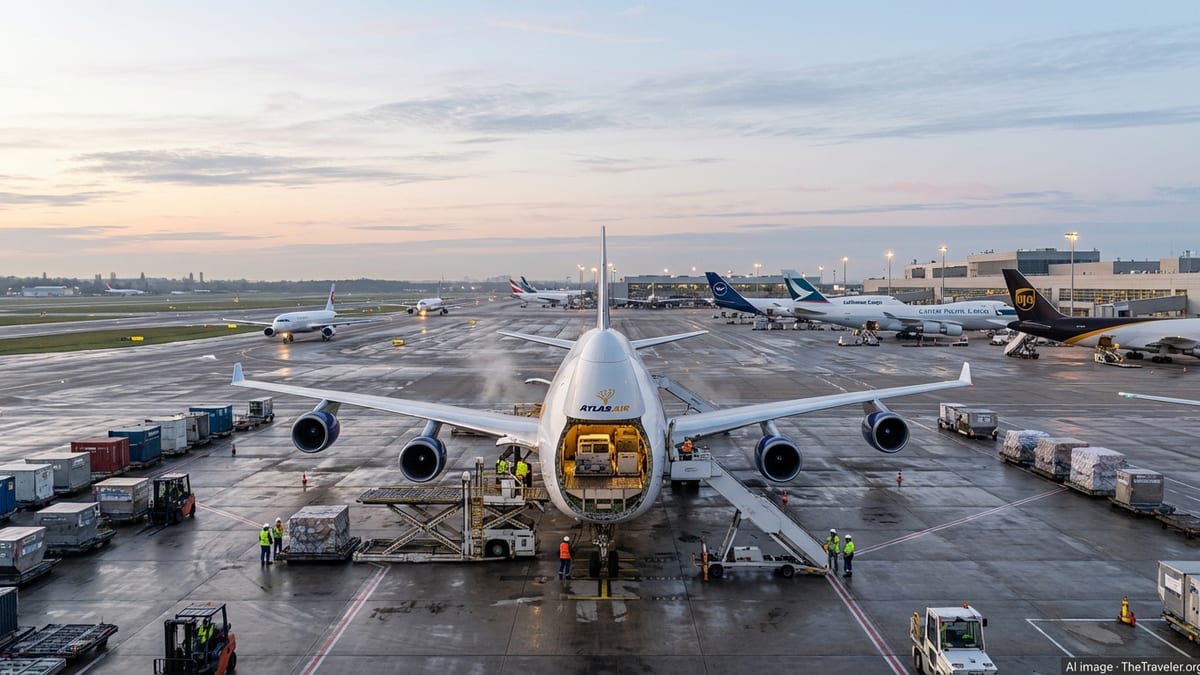
Runway Overrun Turns Routine Cargo Flight Into Fatal Crash
Publicly available flight data and local news coverage indicate that the aircraft, operating as Prime Air Flight 7598 and flown by North Carolina based carrier 21 Air, was arriving from San Juan, Puerto Rico, when it landed on Miami International Airport’s diagonal runway around 2 p.m. on Sunday. The Boeing 767-300 freighter failed to stop within the paved surface, continued past the runway end and broke through the airport boundary.
Reports describe the jet crossing an airport service road and a public roadway bordering the northwest end of the airfield before coming to rest near parking and warehouse areas used by airport related businesses. The impact crushed multiple vehicles and set off an intense fire, sending thick black smoke into the air and prompting an immediate airport ground stop as emergency crews responded.
News outlets and local officials’ public statements place the death toll at five, all believed to be on the ground in vehicles struck by the aircraft. At least five additional people, including members of the flight crew, were transported to area hospitals with serious injuries. Images and video from the scene show the 767 resting nose down with its forward fuselage heavily damaged and its landing gear collapsed amid burned out cars.
The aircraft involved was a 32 year old Boeing 767-300 that originally entered service as a passenger jet in the mid 1990s before being converted to a freighter in 2015, according to fleet records compiled by aviation data services. The widebody twin jet was one of dozens of similar aircraft used by Amazon’s air network to move e commerce shipments between major hubs across the Americas.
Continuing Disruptions at One of the U.S.’s Busiest Gateways
The runway overrun and resulting fire forced Miami International Airport to halt operations for a period on Sunday as responders worked to contain the blaze and secure the crash area. By Monday morning, two of the airport’s four runways remained closed while recovery operations continued and investigators documented the scene, according to aviation trade coverage and airport status reports.
Airlines serving Miami implemented diversions and delays while traffic was funneled onto the remaining open runways. Miami is one of the busiest passenger and cargo gateways in the United States, and the disruption added strain to late summer schedules already affected by seasonal thunderstorms and heavy demand.
Ground transport around the northwest perimeter of the airport also faced closures. Access roads and industrial areas where the aircraft came to rest remained blocked as crews removed wreckage and damaged vehicles. For nearby warehouse workers and logistics companies that operate around the airfield, the crash highlighted how tightly interwoven aviation and road networks are at major cargo hubs.
For Amazon’s air logistics operation, the loss of an aircraft and temporary closure of a key runway at Miami complicated hub connections linking Puerto Rico, Latin America and mainland U.S. markets. Industry analysts noted that large e commerce carriers typically build schedule resilience with spare aircraft and alternative routings, but a high profile accident at a primary gateway can still ripple through overnight networks.
Early Focus on Landing Distance, Speed and Weather
While a full investigation will take months, early attention from aviation observers has centered on the aircraft’s landing parameters and the conditions at the time of the crash. Flight tracking data shared in specialist outlets and on social media appears to show the 767 approaching Miami at a higher than typical speed for its weight class and touching down relatively far along the runway, which could reduce the available stopping distance.
Miami’s diagonal runway provides more than adequate length for Boeing 767 operations under normal circumstances, according to airport specifications published in industry references. However, factors such as approach speed, touchdown point, runway surface condition and braking performance all influence stopping distance. Any combination of these elements, along with potential mechanical issues, will likely form part of the investigators’ analysis.
Weather at the time of the incident was reported to include rain showers in the area, although visibility remained sufficient for routine operations. Wet pavement can significantly extend stopping distances for large aircraft, especially if touchdown occurs beyond the ideal aiming point or if automatic braking and thrust reverser deployment are delayed or degraded.
Published accounts also note that accident investigators typically examine crew work and rest schedules, cockpit procedures, and air traffic control communications to understand how the approach and landing unfolded. In previous runway overrun cases worldwide, final reports have often cited a combination of operational decisions and environmental conditions rather than a single cause.
Safety Record Under Scrutiny After Earlier Amazon-Related 767 Crash
The Miami runway accident immediately drew comparisons to an earlier fatal crash involving a Boeing 767 freighter operating on behalf of Amazon’s air network. In February 2019, Atlas Air Flight 3591, also a 767-300 cargo jet flying for Amazon, plunged into Trinity Bay near Houston during approach, killing all three people on board. That accident was ultimately attributed in part to human factors and loss of control in flight.
Although the circumstances in Miami are different, the involvement of another Amazon branded widebody freighter has renewed public attention on the safety of large cargo operations that support the rapid growth of online retail. Boeing 767 freighters remain a mainstay of global cargo fleets, and the type has accumulated millions of flight hours over several decades, but any high profile crash can lead to broader scrutiny of aircraft age, conversion practices and maintenance oversight.
Aviation safety analysts point out that cargo flying presents its own set of operational challenges, including frequent night operations, tight turnaround times and complex hub networks. These factors, combined with older airframes converted from passenger use, are likely to be examined in the context of the Miami overrun as regulators, airlines and logistics customers look for systemic lessons.
Industry publications also note that the runway safety landscape has evolved significantly in recent years, with many large airports adding engineered materials arresting systems and other features designed to stop or slow aircraft that veer off the end of a runway. The Miami crash is expected to reenergize discussions about runway end protections and land use in areas immediately beyond airport boundaries, particularly where public roads and parking facilities sit close to active runways.
Travelers Face Questions Over Reliability and Resilience
For air travelers and shippers passing through Miami and other major hubs, the images of a large cargo jet resting beyond the runway in an industrial parking area raise understandable concerns about reliability and resilience. Although the accident involved a freighter rather than a passenger aircraft, its location at a heavily used international gateway underscores how incidents in one part of the system can affect the broader travel network.
Passenger flights at Miami resumed on alternate runways, and safety regulators emphasize that modern commercial aviation remains one of the safest forms of transport. However, travelers can expect temporary delays, gate changes and potential congestion as the airport operates with reduced runway capacity while the crash site remains active.
Logistics customers moving goods through Amazon’s network and other cargo providers may also see short term rerouting and schedule adjustments as airlines rebalance capacity and maintenance checks are carried out on similar aircraft types. For those connecting through Miami in the coming days, checking flight status regularly and allowing extra time for transfers and ground transport around the airport is likely to remain advisable.
The investigation into the Amazon branded Boeing 767 crash at Miami International Airport is only beginning, and definitive answers about what led to the fatal runway overrun will take time. For now, the incident stands as a stark reminder of the importance of runway safety and infrastructure planning at airports where heavy jets and everyday road traffic operate in close proximity.
Associated Press: At least 5 dead after Amazon cargo plane barreled off runway at Miami airport
Euronews: Amazon cargo plane overshoots Miami runway, crashes into vehicles
FreightWaves: Two Miami runways still closed after deadly Amazon cargo jet accident
CBS Miami: Amazon cargo plane crash at Miami International Airport leaves 5 dead, 5 injured
AeroCorner: Amazon 767 overrun at Miami International Airport