


More news on this day
An American Airlines Boeing 737-800 operating Flight AA2769 from Chicago O’Hare to Washington National diverted to Pittsburgh on August 6, according to publicly available flight-tracking data and media coverage, drawing renewed attention to how airlines handle mid-route disruptions on busy domestic corridors.
Get the latest news straight to your inbox!
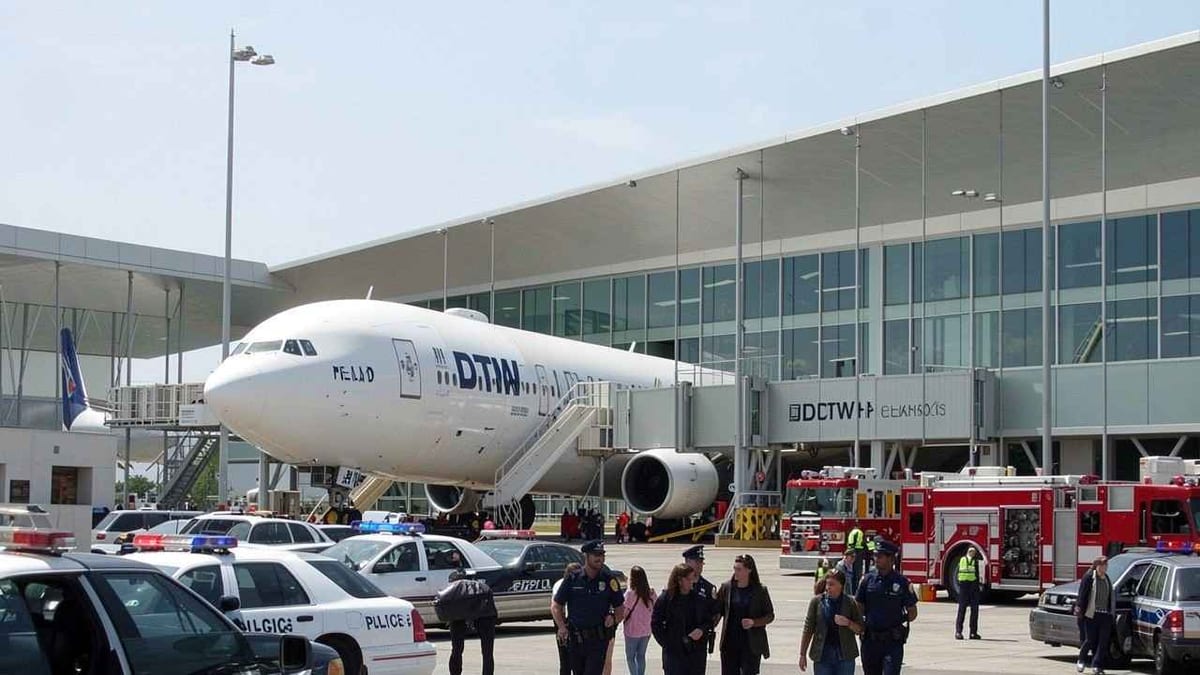
Unexpected Diversion on a Core Business Route
Flight AA2769 is a regularly scheduled American Airlines service linking Chicago O’Hare International Airport and Washington’s Ronald Reagan Washington National Airport, a key business route within the carrier’s domestic network. On August 6, the evening service did not complete its planned nonstop journey, instead diverting to Pittsburgh International Airport before passengers continued their travel plans.
Publicly available flight-tracking records show the Boeing 737-800 departed Chicago normally and followed a typical routing toward the U.S. East Coast before altering course toward western Pennsylvania. The aircraft descended and landed at Pittsburgh, where it remained on the ground for a period consistent with a short, unplanned stop sometimes described in industry circles as a “gas and go” diversion.
Reports from aviation-focused forums and traveler accounts indicate that diversions of this kind on domestic routes most commonly relate to weather, air-traffic flow restrictions, medical issues on board, or fuel considerations when holding patterns near destination airports become extended. In this case, early indications from online discussion point to a non-routine operational factor rather than a major safety emergency.
The diversion added an unscheduled waypoint to what is normally a flight of under two hours, underscoring how even relatively short domestic hops can be affected by broader pressures in the air-traffic system during the height of the North American summer travel season.
How Diversions Fit Into Airline Operations
Airline operations specialists emphasize that diversions are an accepted and carefully planned element of commercial flying, particularly in congested airspace serving major hubs on the U.S. East Coast. While each case has its own specifics, carriers build in procedures for choosing alternate airports, coordinating with local ground teams, and managing crew duty limits when flights cannot proceed as scheduled.
Industry analyses of flight disruption trends show that technical issues, weather systems around destination airports, and air-traffic management initiatives can each lead crews to opt for a landing at a suitable alternate. Pittsburgh International, with its long runways, all-weather capabilities, and position along heavily traveled east–west corridors, is frequently identified in aviation coverage as a logical diversion point for flights bound to or from cities such as Chicago, Washington, Philadelphia, and New York.
According to research on U.S. airline disruption management and delay propagation, mid-route decisions like the one affecting AA2769 are made to balance safety, fuel planning, and downstream schedule reliability. In practice, this can mean accepting a short-term inconvenience for passengers in exchange for reducing the risk of extended airborne holding or more complex knock-on delays across the network.
For travelers on board, the experience typically involves an additional taxi and ground time, possible opportunities to deplane depending on regulations and timing, and updated arrival estimates provided through cabin announcements and mobile apps. Subsequent coverage and user reports often focus less on the diversion itself and more on how clearly information was communicated and how quickly onward travel was arranged.
Pittsburgh’s Role as an Alternate for East Coast Traffic
Pittsburgh International Airport plays a prominent role in the routing of domestic flights even beyond its scheduled departures and arrivals. Located roughly midway between Chicago and Washington in navigational terms, it offers an attractive combination of airspace flexibility and ground infrastructure for airlines seeking a reliable alternate.
Airport planning documents and public air service snapshots highlight consistent operations by major U.S. carriers at Pittsburgh, including American Airlines, which maintains several daily links connecting the airport to larger hubs. These scheduled services support a base of staff, ground handling capacity, and maintenance capabilities that can be leveraged when unscheduled diversions occur.
Because of its location west of the most congested East Coast airspace, Pittsburgh is often mentioned in aviation forums as an option when storms, low visibility, or traffic restrictions impact airports around Washington, Philadelphia, or New York. Flights that are already in the vicinity can reduce airborne holding by landing at Pittsburgh for additional fuel, operational checks, or crew assessments before continuing to their original destination or facilitating rebooking for passengers.
The diversion of AA2769 on August 6 illustrates how such intermediate airports serve as pressure valves within the national aviation network, helping carriers manage peaks in congestion while maintaining options for safe, controlled decision-making en route.
Passenger Experience and Travel Planning Impacts
For passengers, an unplanned stop such as the one experienced by those on AA2769 can quickly transform a routine business trip or weekend getaway into a more complicated travel day. While most diversions conclude with the same aircraft continuing on after refueling or checks, the additional time on the ground can affect onward connections, ground transportation plans, and commitments at the destination.
Travel industry guidance consistently encourages passengers to monitor their flights through airline apps and departure boards, particularly during the busiest summer months, when storms and constrained airspace are more likely to disrupt schedules. In the case of a diversion, these digital tools often provide the earliest updates about revised arrival times and any changes to connecting itineraries.
Consumer advocates note that the way a diversion is handled can significantly shape traveler perceptions of an airline. Clear announcements about the reasons for the delay, realistic estimates of how long the stop will last, and proactive assistance with missed connections can help mitigate frustration. Publicly shared passenger accounts following other recent diversions suggest that timely communication and practical support can make the difference between a minor inconvenience and a memorable disruption.
While the precise combination of factors behind the AA2769 diversion have not been fully detailed in public reporting, the incident reinforces the importance for travelers of allowing buffer time in itineraries, especially when same-day meetings or events are at stake and when flying through weather-prone or high-traffic regions.
Rising Summer Traffic and Operational Pressures
The diversion of AA2769 comes amid a summer of robust air travel demand across the United States, with major airlines adding capacity on key domestic routes such as Chicago to Washington. Public traffic data and industry commentary indicate that carriers are operating near or above pre-pandemic levels on many city pairs, even as they confront higher fuel costs, aircraft delivery delays, and staffing challenges in some operational areas.
Academic studies of U.S. airline performance have frequently linked periods of intense demand to higher rates of delays and disruptions, particularly when weather or airspace constraints reduce the flexibility of already tight schedules. In this environment, diversions can be seen as one of several tools airlines use to keep complex networks functioning, often at the cost of punctuality on individual flights.
For airports like Pittsburgh, that may mean seeing more unplanned arrivals from flights originally scheduled between other city pairs, at least on days when East Coast weather or air-traffic initiatives compress available routes. For travelers, it is another reminder that even familiar short-haul trips can be affected by a broader set of conditions extending far beyond the departure gate.
As airlines refine their summer and autumn schedules, operational data from diversions such as the AA2769 event are likely to feed into future planning, informing how much schedule padding to build in, which alternates to prioritize, and how best to communicate with passengers when mid-route changes become necessary.