


More news on this day
American Airlines has marked a major milestone in the multibillion-dollar overhaul of Dallas Fort Worth International Airport, opening nine rebuilt gates in Terminal C that combine Dormakaba electronic boarding technology with an energy-efficient design aimed at speeding passenger flow and modernizing the carrier’s largest hub.
Get the latest news straight to your inbox!
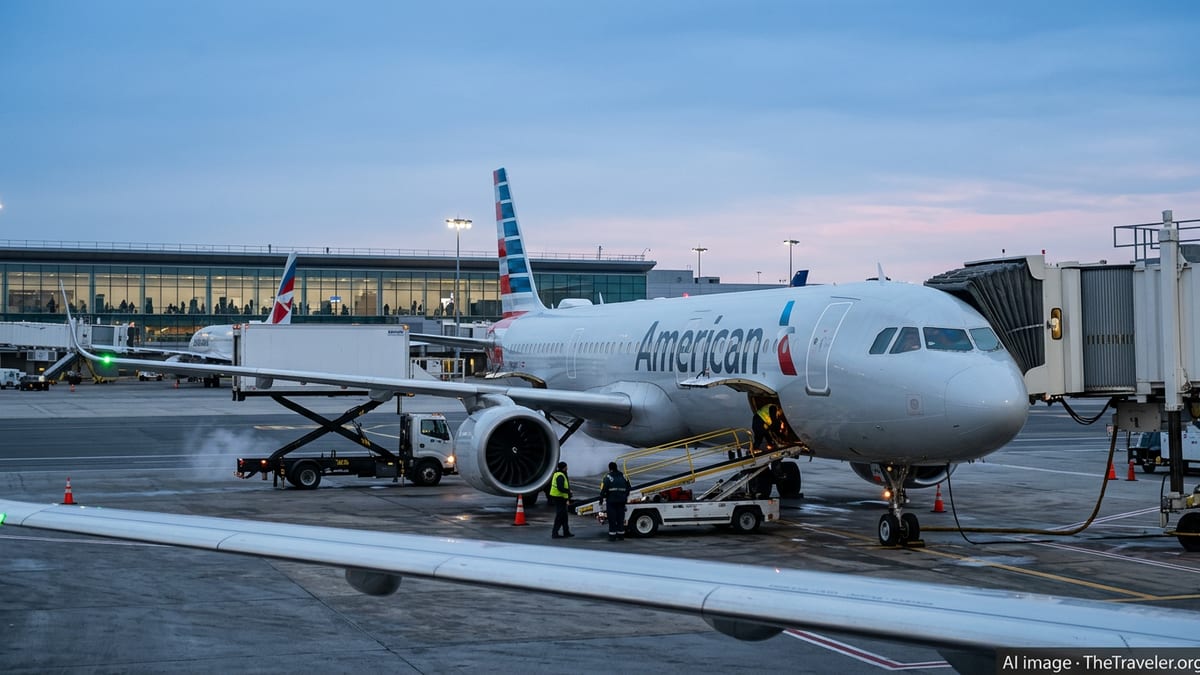
New Terminal C pier showcases next-generation gate experience
The newly opened gates form part of the Terminal C pier expansion at Dallas Fort Worth, a project that airport information indicates is central to a wider, approximately 3 billion dollar modernization program for the aging concourse. American Airlines and the airport have described the pier as adding about 115,000 square feet of space and rebuilding five existing gates while adding four new ones, boosting capacity at what is already the carrier’s busiest terminal.
Reports from the airline’s newsroom and aviation industry outlets indicate that the nine gates are now handling around 60 flights per day during the 2026 summer schedule. American is operating roughly 200 mainline departures a day from Terminal C overall, and internal scheduling data cited in trade coverage suggests that if Terminal C operated as a standalone airport, it would rank among the largest hubs in the airline’s network by daily departures.
The new concourse area introduces a more spacious look and feel compared with the older parts of Terminal C. Descriptions from airport construction updates highlight higher ceilings, improved wayfinding, upgraded restrooms and expanded seating areas, all designed to ease crowding during peak connecting banks. Floor to ceiling glazing along the pier offers views of the ramp while bringing more daylight into the gate areas.
Passenger-facing changes are intended to offer a preview of the fully rebuilt Terminal C that will emerge over the rest of the decade. Publicly available planning documents for the terminal overhaul refer to a complete rework from curb to gate, including new mechanical systems, updated finishes, and redesigned circulation that ties more seamlessly into the airport’s Skylink people mover and other terminals.
Dormakaba electronic boarding gates lead shift in passenger processing
The Terminal C pier is also the launchpad for a new boarding process. American has begun deploying Dormakaba electronic boarding gates along the extension, after piloting the technology in late 2025. According to the airline’s April 2026 announcement and subsequent industry coverage, the company will be the first major United States network carrier to install Dormakaba’s electronic boarding solution at scale across a hub airport.
The Dormakaba system is designed around automated portals that open only after a passenger’s boarding pass is successfully scanned. Information from technology and airport trade publications notes that the Argus Air XS platform used in Dallas Fort Worth can authenticate both digital and paper passes, interface with airline departure control systems, and capture boarding data with greater precision than traditional manual checks.
By moving the physical gate function to an automated lane, American is aiming to reduce bottlenecks at the door of the aircraft. Publicly available descriptions of pilot testing suggest that electronic gates can provide a more consistent boarding rhythm, minimize misboarded passengers and allow gate staff to focus on resolving seating, standby and connection issues instead of scanning every individual boarding pass.
For American, which handles hundreds of daily departures from Dallas Fort Worth, small efficiency gains at each gate can translate into meaningful schedule reliability across the network. Industry analysis indicates that missed connections and departure delays at the hub have been a persistent pain point for travelers, and the carrier has framed the adoption of electronic boarding as one of several tools intended to improve on time performance.
Energy-efficient design underpins Terminal C rebuild
Alongside the new technology, sustainability considerations are embedded in the Terminal C pier’s architecture. Airport construction briefs and American’s own project descriptions emphasize energy-efficient windows that maximize natural light while helping manage solar heat gain, reducing the load on heating and cooling systems in the Texas climate.
The combination of high performance glazing, upgraded insulation and modern mechanical systems is expected to improve the terminal’s overall energy profile compared with the 1970s era structures it replaces. While specific energy savings targets have not been widely detailed in public documents, the project forms part of Dallas Fort Worth’s broader environmental goals, which include reducing emissions from airport facilities and improving resource efficiency.
Lighting throughout the new concourse relies on LED fixtures paired with smart controls that adjust output based on occupancy and daylight levels. Public planning materials indicate that such systems are increasingly standard in new terminal construction, but their application in a busy, mid life terminal like C requires careful phasing so that operations can continue while work progresses.
The newly rebuilt gates also incorporate more energy conscious choices in finishes and equipment. From low flow fixtures in restrooms to more efficient escalators and elevators, the upgrades reflect a shift in how U.S. hub terminals are being modernized, with passenger comfort, operational resilience and sustainability treated as interlinked priorities rather than separate objectives.
Part of a broader transformation of American’s DFW hub
The Terminal C pier opening is one element of a larger reshaping of American’s presence at Dallas Fort Worth. Public statements from the airline over the past year have outlined a strategy to “fundamentally change” the way it operates the hub, including schedule restructuring, new facilities and expanded gate capacity across multiple terminals.
In addition to the Terminal C rebuild, a similar pier expansion in Terminal A and plans for a new Terminal F will eventually add dozens of incremental gates at Dallas Fort Worth. A 2025 use and lease agreement between American and the airport extends the partnership through 2043 and supports investments in state of the art baggage systems, premium check in areas and additional lounges that will anchor the next phase of the hub’s growth.
Passenger demand figures reported by the airport show that Dallas Fort Worth handled more than 67 million American Airlines customers in 2025, with the carrier serving over 230 nonstop destinations and operating around 930 peak daily departures. The new Terminal C gates are expected to help accommodate that scale by reducing congestion at existing positions and offering more flexibility for aircraft assignments.
As global events such as the 2026 World Cup prepare to bring additional travel flows through North Texas, the timing of the new infrastructure is significant. Airport planning documents portray Terminal C’s overhaul as critical to ensuring that Dallas Fort Worth can manage future peak periods while maintaining a consistent experience across its aging and newly built facilities.
What travelers can expect in the reimagined Terminal C
For passengers, the most visible changes at the new Terminal C gates will be in the boarding process and the feel of the concourse. Travelers using American’s flights from the pier will encounter electronic gates where they scan their boarding passes before walking through to the jet bridge, a departure from the typical manual scan at the podium.
Industry reports and early traveler accounts suggest that the new setup creates a more orderly queue, with illuminated signage guiding passengers and digital displays coordinating boarding groups. The technology is intended to reduce instances of incorrect boarding and cut down on last minute seat confusion at the aircraft door, an area that has often contributed to delays at busy connecting hubs.
The rebuilt gates also bring upgraded seating with more power outlets, wider circulation paths and new concessions clustered near the pier. Floor to ceiling windows and higher ceilings change the character of the previously low slung Terminal C spaces, while improved acoustics and lighting aim to make gate areas more comfortable during long connections or irregular operations.
As construction continues across other portions of Terminal C, temporary walls and detours will remain a reality for some time. However, the opening of the Dormakaba equipped pier offers travelers an early look at what the future of American’s Dallas Fort Worth hub could resemble: a more automated, energy-efficient terminal where technology and design work together to keep passengers and aircraft moving.