


More news on this day
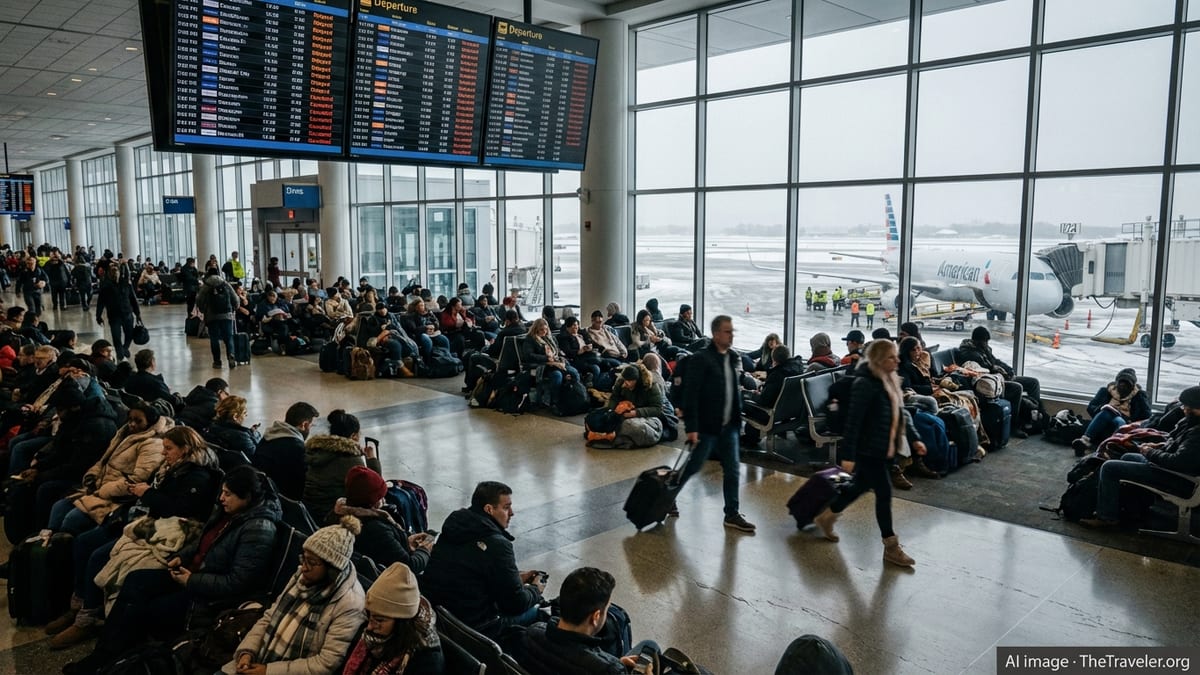
Travelers moving through Phoenix Sky Harbor International Airport faced hours of disruption after an American Airlines information-technology problem on July 28 triggered cascading delays across the carrier’s network.
Get the latest news straight to your inbox!
IT outage triggers ground stoppages and rolling delays
Publicly available flight tracking and airline operations data indicate that American Airlines experienced a significant systems outage on the evening of July 28, prompting a brief nationwide ground stop and forcing the carrier to slow or halt departures at major hubs. The disruption affected airport check-in, gate operations and crew scheduling systems, creating immediate backups across the network.
Phoenix Sky Harbor, one of American’s busiest western gateways, saw its tightly timed summer schedule quickly unravel as aircraft, crews and passengers ended up out of position. Reports from passengers and aviation observers describe aircraft holding at gates and on taxiways while staff waited for systems to restart, with departure boards filling with delays across multiple banks of flights.
Although systems were gradually restored later in the evening, the restart did not immediately resolve the logjam. Once operations resumed, aircraft required new departure slots, crews in some cases hit duty-time limits, and incoming flights ran late, producing rolling delays that extended into July 29.
Impact on Phoenix departures and connections
Scheduling information for July 28 and 29 shows that American’s Phoenix operation, which links the Southwest to key domestic and international destinations, was particularly sensitive to the outage. The airline’s banks of late-afternoon and evening departures to cities such as Philadelphia, Tampa and several Midwestern and East Coast hubs are typically structured to feed onward connections; when those flights were delayed, passengers risked missing downline services.
Data from route providers list multiple American flights departing Phoenix late on July 28 and in the early hours of July 29, with overnight eastbound services pushed back from their scheduled times. Travelers reported extended waits in Terminal 4, where American concentrates its Phoenix operation, as aircraft bound for overnight destinations left later than planned or were held at the gate awaiting updated clearances.
The knock-on effects were not limited to outbound traffic. Late arrivals into Phoenix reduced the number of aircraft available for early-morning departures on July 29, with some passengers reporting that previously minor delays expanded into multi-hour waits as crews and equipment were reassigned across the hub.
Travelers report scenes of confusion at the airport
Firsthand accounts posted on public forums by passengers and airline employees at Phoenix Sky Harbor describe a confusing scene as the IT problems unfolded. Several travelers reported sitting on board aircraft for extended periods without clear departure times, while others described long lines at customer service counters as they sought rebookings or meal and hotel vouchers.
Flight attendants and ground staff participating in online discussions referenced difficulties accessing internal systems used for crew scheduling and flight information, describing the outage as a network-wide technology problem. One contributor who identified as working a flight from Phoenix characterized the situation as “a mess,” with delays compounded by the time needed to bring systems back online safely.
Some passengers expressed frustration that the disruption was initially attributed to weather or generic operational issues, even as technology problems were being widely discussed across social media and aviation forums. Others noted that once the scale of the outage became apparent, departure estimates were repeatedly revised in short increments, a pattern that left travelers uncertain whether to stay at the gate or seek alternative arrangements.
Broader strain on American’s summer schedule
The IT glitch arrived during an already challenging summer for American Airlines and its customers, with elevated demand, seasonal storms and high temperatures in the Southwest all contributing to operational strain. Customer reports over recent weeks have highlighted longer-than-usual delays and frequent schedule changes across parts of the carrier’s network, including flights touching Phoenix.
Industry data and passenger feedback suggest that maintenance-related holds and tight aircraft utilization have left limited room to absorb unexpected disruptions. When the outage struck, these underlying pressures amplified its impact, turning what might have been a short-lived systems problem into an event that rippled through schedules well into the next day.
Aviation analysts note that hub airports such as Phoenix are particularly vulnerable to cascading effects when an airline’s technology systems fail. Because many flights are timed to connect within narrow windows, even a brief halt in operations can cause passengers to miss onward legs, forcing mass rebookings and crew reassignments that reverberate across the network.
What affected travelers can do next
For passengers whose Phoenix flights were disrupted by the American Airlines IT issue, consumer advocates recommend reviewing the final arrival times shown on official itineraries and boarding passes, as well as any written notifications from the airline. Those records can be useful when requesting refunds, travel credits or reimbursement for out-of-pocket expenses under the carrier’s published customer service policies.
Travel advisers also suggest monitoring itineraries closely over the coming days, as residual aircraft and crew imbalances may continue to cause schedule adjustments, particularly on routes with limited daily frequencies. Travelers connecting through Phoenix may wish to build in additional buffer time when possible, especially for tight evening connections.
The incident is likely to renew scrutiny of technology resilience across major U.S. airlines, with Phoenix Sky Harbor’s experience serving as a case study in how quickly a system outage can spread through a complex hub operation. As airlines continue to rely heavily on integrated IT platforms for nearly every aspect of flight operations, disruptions of this kind remain a significant risk for both carriers and the passengers who depend on them.