


More news on this day
Washington’s upcoming Freedom 250 Grand Prix is set to transform central DC into a temporary street circuit later this summer, bringing major road closures, transit detours and potential knock-on delays for travelers using the region’s airports.
Get the latest news straight to your inbox!
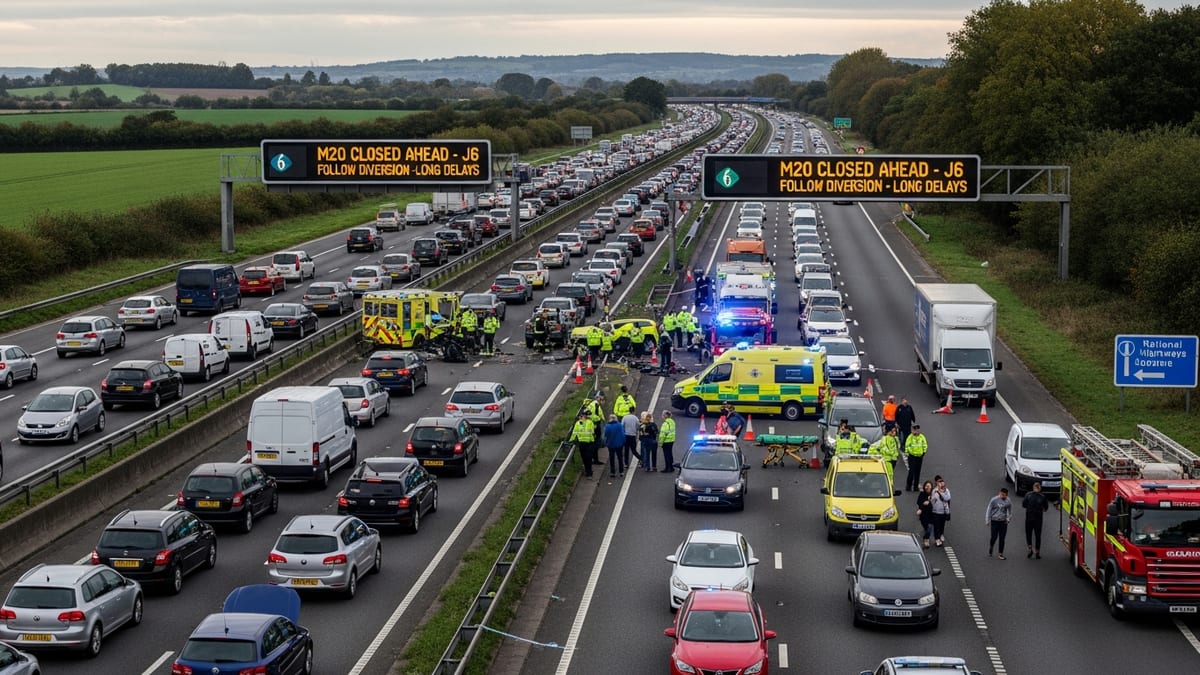
Grand Prix course to close key downtown corridors
Publicly available planning documents show that the Freedom 250 Grand Prix will run on a temporary street course built around the Southwest waterfront and National Mall area, with race activities concentrated over the August 21 to 23 weekend. The event forms part of the America 250 calendar and is expected to draw large spectator crowds into the federal core.
Recent coverage describes a 1.7 mile circuit built from existing city streets, ringed by concrete barriers, grandstands and hospitality areas. In practice, this means multiple blocks around Independence Avenue, Maine Avenue and nearby cross streets will see rolling lane reductions in the weeks before the race as crews install fencing and bridges for pedestrians and emergency access.
A regional special events calendar circulated by the city indicates that segments of 6th Street Southwest between Maine Avenue and K Street are among the corridors earmarked for closures associated with the Grand Prix. Additional blocks near the Mall and L’Enfant Plaza are expected to face staggered restrictions as race infrastructure goes in and comes out.
Motorists are being advised in press reports to expect a pattern similar to other large downtown events, with traffic pushed toward the 3rd Street Tunnel, Independence Avenue east of the Mall and major crosstown routes like Massachusetts Avenue when the core streets are shut. Drivers who normally cut through Southwest to reach the freeway network may need to adjust their routes days in advance.
Timeline of closures and what drivers should expect
Recent local coverage indicates that traffic and parking restrictions for the Grand Prix are beginning to take effect well before race weekend, as contractors build grandstands and safety barriers along portions of the course. That work typically begins with curb-lane closures and expanded no-parking zones, progressing to full street shutdowns as equipment moves into place.
Organizers have signaled in public materials that the most intensive closures will fall between Friday and Sunday of race week, when practice, qualifying and the main event are scheduled. During these windows, access into the heart of the circuit will be limited mainly to credentialed vehicles and pedestrians passing through security checkpoints, with regular cross-town car traffic diverted around the perimeter.
After the checkered flag, past practice at other North American street races suggests that teardown can keep streets partially restricted for several days as crews remove fencing, resurface pavement and dismantle temporary bridges. Residents and commuters who rely on Southwest surface streets may see intermittent lane closures into the following week before traffic patterns fully normalize.
Travel advisories related to other recent downtown events in DC show that drivers who ignore posted emergency no-parking signs risk towing and fines. With the Grand Prix bringing a longer build-out than a typical parade or festival, those warnings are likely to be even more significant for anyone who regularly parks on affected blocks.
Metro rail and bus detours around the circuit
The Freedom 250 Grand Prix arrives during a summer of intensive transit adjustments as Metro coordinates service with America 250 events. Metro’s published service changes for this season describe multiple bus detours near the National Mall to steer vehicles around recurring security perimeters and street closures.
Metro’s summer detour summaries already reference the Grand Prix by name as one of the events that will require rerouting of several bus lines operating through Southwest and the Federal Triangle area. When detours are active, buses are expected to shift to nearby corridors that remain open, with stop relocations typically announced in individual service advisories.
Rail service will continue to be the primary way many spectators reach the race, with the Green, Yellow, Blue, Orange and Silver lines all serving stations within walking distance of the circuit. However, ongoing maintenance and capacity projects mean travelers may encounter weekend headway changes, earlier evening track work on some segments and bus shuttles on portions of certain lines.
Metro’s general guidance for recent large-scale events near the Mall has stressed planning ahead for crowd surges at key transfer points such as L’Enfant Plaza and Metro Center. With the Grand Prix layered on top of the broader America 250 schedule, riders may want to build extra time into trips and consider using less crowded stations one or two stops away from the race footprint.
Knock-on effects for DCA, IAD and BWI
Although the Grand Prix circuit is concentrated downtown, the scale of the event means possible ripple effects for air travelers heading to and from Reagan National, Dulles International and Baltimore/Washington International. A recent advisory from federal air traffic managers highlighted that large DC events can contribute to arrival delays at all three airports when coupled with weather or airspace constraints.
The downtown race also brings an added layer of complexity because live television coverage typically requires low-flying helicopters and temporary aerial restrictions. Aviation observers have pointed out around other recent events that additional coordination in the DC flight corridor can slow the flow of arrivals and departures, particularly at Reagan National, which lies directly across the Potomac from central Washington.
Travel industry coverage has noted that on high-profile event days in the capital region, the Federal Aviation Administration sometimes implements ground delay programs that meter flights into DCA, IAD and BWI. While such measures are usually driven by weather, thunderstorm forecasts or staffing levels, an influx of VIP movements and aerial filming can tighten capacity further during peak hours.
Passengers with flights on or around race weekend may therefore face longer security lines, heavier road congestion on the airport approaches and potential schedule changes as airlines adjust to any traffic management initiatives. Data from past disruptions in the region show that delays at one major airport can quickly cascade across the network, making early arrival and flexible planning especially important.
How travelers can prepare in the weeks ahead
Local transportation agencies and news outlets are encouraging residents and visitors to treat the Freedom 250 Grand Prix as they would a major holiday or inauguration period, building in additional time and checking conditions frequently. Dynamic detours, pop up checkpoints and last minute changes to construction schedules are common around large events and are likely to play a role during August’s race week.
Drivers who must be downtown are being urged in public messaging to rely on regional freeway routes and the 3rd Street Tunnel instead of cutting across the Mall or waterfront, particularly during peak race activities. Those who can shift trips to early mornings, late evenings or telework days may avoid the most intense congestion.
Transit riders are advised to monitor Metro’s service advisory channels for route specific detour maps and station crowding updates, and to keep a backup plan such as an alternate line or nearby bus route. Given broader changes to DC’s streetcar and bus network this year, riders who have not checked schedules recently may find that familiar services have new patterns.
For air travelers, recent patterns around large DC events suggest confirming flight status before leaving home, arriving at the airport earlier than usual and leaving generous time to move between downtown and the terminals. With thousands of spectators expected to converge on the capital for the Freedom 250 Grand Prix, the race’s impact will be felt well beyond the track itself.