


More news on this day
Severe thunderstorms moving through the Northeast have disrupted air travel at Boston’s Logan International Airport, with hundreds of flights delayed as airlines and air traffic controllers contend with rapidly changing weather and congestion across the region.
Get the latest news straight to your inbox!
Storm Cells Trigger Widespread Schedule Disruptions
Thunderstorms tracking along the Eastern Seaboard have created a turbulent operating environment for airlines using Boston as a hub and connection point. Publicly available aviation data and media coverage indicate that a series of storm cells prompted ground delays and route changes across multiple states, which then rippled into Boston’s Logan International Airport.
Weather reports describe a mix of heavy rain, lightning and low clouds at various points along common flight paths into and out of New England. As aircraft diverted, slowed or repositioned to avoid the worst of the storms, departure and arrival times at Logan began to stretch, with flights pushed back in blocks rather than minutes.
Industry tracking platforms show that the bulk of affected services involve domestic routes along the busy East Coast corridor, where congestion quickly compounds even modest weather disruptions. Some services to the Midwest and West Coast have also reported late departures as crews and aircraft arrived in Boston behind schedule.
Hundreds of Flights Affected Across Carriers
Operational summaries and flight-tracking snapshots from Tuesday into Wednesday indicate that the number of delayed flights at Logan climbed into the hundreds as the storm activity intensified. The impact is spread across large legacy carriers, low cost airlines and regional operators, with both mainline and commuter services showing extended waits.
Delay tallies vary by source and time frame, but the pattern is consistent: a high proportion of departures leaving later than scheduled, arriving aircraft facing holding patterns or reroutes, and a smaller though significant number of cancellations as airlines attempt to reset their schedules. Some carriers have consolidated lightly booked flights or adjusted turn times in an effort to recover.
The disruptions at Logan are part of a broader weather-related slowdown affecting multiple major airports in the Northeast. Reports describe similar conditions at other busy hubs, meaning Boston-bound and Boston-originating flights are often affected at both ends of their journeys, further inflating delay statistics.
Stranded Passengers Face Long Lines and Rebookings
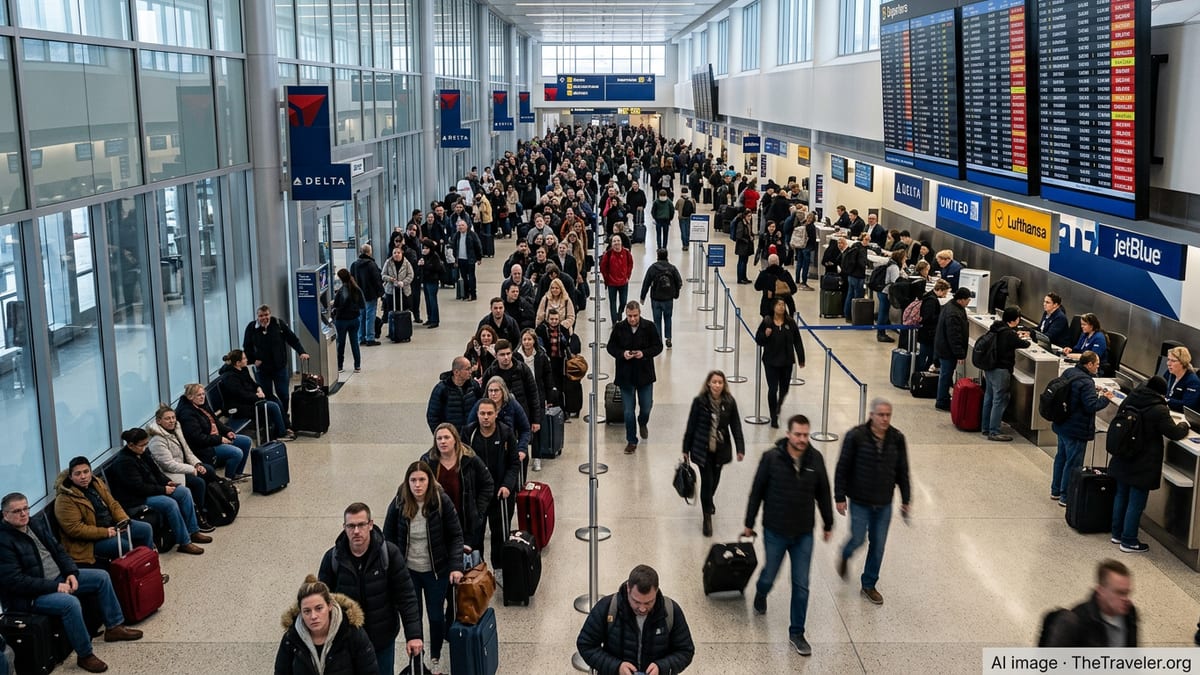
Accounts from travelers on social media and in local coverage describe crowded departure halls, long lines at customer service counters and limited same-day rebooking options. With storms impacting a wide swath of the national network, spare seats on later flights are in high demand, particularly on peak summer routes.
Some passengers report spending hours on board aircraft waiting for a takeoff slot or gate assignment, while others have been issued hotel and meal arrangements after missed connections. Families traveling during school holidays, as well as attendees heading to or from major events, appear to be among those most affected by the timing of the disruption.
Airlines are directing travelers to digital tools and mobile applications to manage rebookings and track real-time changes. Publicly available guidance from travel experts stresses the importance of checking flight status frequently, considering alternative routing through less affected airports, and allowing additional time for security, check in and boarding.
How Storms Disrupt Airport Operations
Thunderstorms are among the most challenging weather events for aviation, not only because of rain and turbulence but also due to lightning and shifting winds. When lightning is detected near ramp areas, standard safety protocols often require ramp workers to pause refueling, baggage loading and aircraft pushback, which can bring ground operations to a temporary halt.
In the air, storm cells can force pilots and dispatchers to plot longer routes around heavy precipitation and strong updrafts, stretching flight times and burning extra fuel. Air traffic control facilities may impose spacing restrictions between aircraft, reducing the number of arrivals and departures per hour and leading to ground delay programs that cascade through airline schedules.
Federal reporting frameworks categorize many of these disruptions under weather-related causes, recognizing that delays can continue long after the most intense storms have moved away from a particular airport. Once aircraft and crews are out of position, subsequent flights may depart late even under clear skies, prolonging the impact for travelers.
Travelers Urged to Monitor Conditions as System Moves On
Forecast discussions suggest that the storm system affecting Boston is expected to shift gradually, but residual showers and the possibility of additional thunderstorms may keep airline operations fragile over the short term. Aviation observers note that recovery from a day of heavy delays can take several more schedule banks, particularly at a busy regional gateway like Logan.
Passengers with flights in the next 24 to 48 hours are being encouraged, through airline advisories and travel media, to keep a close eye on updated departure times and consider early check in to secure options if further disruptions occur. Those with flexible plans are often advised to move flights away from the busiest parts of the day, when air traffic volumes are highest and the system has less room to absorb new delays.
As airlines work through the backlog of disrupted services, the situation at Logan is expected to improve, but the current episode underscores how quickly summer storms can transform routine travel days into extended ordeals for passengers across the network.