


More news on this day
American Airlines is preparing a sweeping overhaul of its domestic fleet, with plans to increase premium seating on narrowbody aircraft from roughly 25 percent of capacity to about 40 percent, marking one of the most aggressive moves yet by a U.S. carrier to chase high-yield travelers.
Get the latest news straight to your inbox!
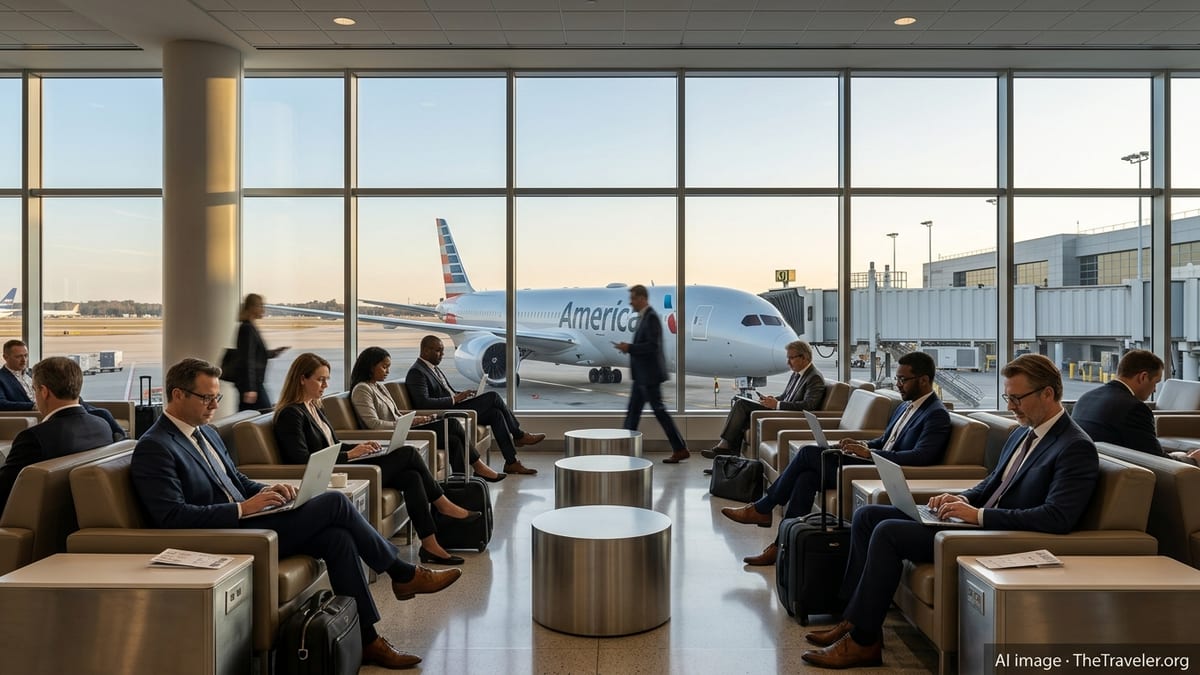
From One in Four Seats to Nearly Half the Cabin
According to recently discussed fleet plans and investor materials, American aims to grow the share of premium seats on its single-aisle aircraft by around 60 percent, moving from roughly one quarter of seats today to about 40 percent over the coming years. Premium seats in this context include domestic first class and extra-legroom economy options, which command higher fares than standard coach.
The shift is part of a broader premiumization trend in the U.S. airline industry, where carriers are restructuring cabins to reflect rising demand for more space and comfort. American already reports historically strong uptake in its premium products, and publicly available information indicates that customers are increasingly willing to “buy up” from basic economy into more spacious seating.
While the airline has not tied the initiative to a specific single-year deadline, planning documents and commentary suggest the transition will unfold gradually across the next decade as aircraft are delivered in new layouts and existing jets are refitted during scheduled heavy maintenance checks.
The change will be most visible on high-demand business and leisure routes where premium fares are strongest, but the new layouts are expected to filter across much of the narrowbody network over time.
Cabin Refits, New Deliveries and More Extra-Legroom Seats
American’s move toward a 40 percent premium share on narrowbodies will be driven by a combination of new aircraft deliveries and comprehensive cabin refits. New Boeing 737 MAX and Airbus A321 family jets are expected to arrive from the factory with denser premium sections, while many existing aircraft are due to be retrofitted with more domestic first class and extra-legroom Main Cabin Extra seating.
Publicly available descriptions of the overhaul highlight both an expansion of first class cabins and a notable increase in extra-legroom rows, addressing a long-running customer complaint that extra space has been too limited on certain aircraft. Industry forums and investor presentations indicate that American views Main Cabin Extra as a key revenue driver, combining relatively modest incremental cost with materially higher yields.
Alongside the seating shift, American is also planning broader interior upgrades on many narrowbody jets, including refreshed seat designs, updated cabin lighting and larger overhead bins. These changes are intended to make the aircraft more competitive against rivals that have been upgrading domestic products and installing more generous premium cabins of their own.
Because cabin work is typically aligned with scheduled maintenance, the rollout will be staggered, with certain fleets and hub markets likely to see the new layouts years before others.
Premium Strategy Aligned With Revenue Priorities
The decision to lift premium seating to about 40 percent of narrowbody capacity is closely tied to American’s revenue strategy. Company presentations in recent years have emphasized premium revenue as a central pillar of margin expansion, with growth targets for lie-flat business class, premium economy and extra-legroom products.
Higher proportions of premium seating can improve overall revenue per available seat mile when demand is strong, especially in markets with a large base of corporate and affluent leisure travelers. Airlines have found that selling more of these seats outright, rather than relying on complimentary upgrades, generates a meaningful boost to top-line performance.
The move also reflects how airlines have adapted to post-pandemic travel patterns. Hybrid work and increased flexibility have blurred the lines between business and leisure travel, creating more customers willing to pay for comfort in both directions of a trip. By increasing the pool of premium and extra-legroom seats, American positions itself to capture more of that willingness to pay.
Analysts note that nudging narrowbody premium share from about 25 to 40 percent represents a structural shift in the economics of American’s domestic network, one that could bring its configuration closer to, or even ahead of, some competitors on key routes.
Seatback Screens Return as Part of a Wider Refresh
The premium seating expansion is emerging alongside a separate but related initiative to restore seatback entertainment screens across much of American’s narrowbody fleet. Recent public communications and industry reports describe a plan to install new screens and upgrade inflight entertainment, reversing an earlier strategy that relied primarily on personal devices.
Reintroducing seatback screens is designed to complement the premium push by making the onboard experience feel more modern and differentiated. For high-paying travelers, especially on longer domestic flights, screens have become a visible marker of product quality that rivals such as Delta and United have been eager to promote.
By pairing more premium and extra-legroom seating with upgraded entertainment and refreshed interiors, American is effectively repositioning its narrowbody product as more aligned with what it already offers on many long-haul widebody flights, where premium cabins and modern amenities are standard.
Travel industry observers suggest that this combination could help American better defend key coastal and hub-to-hub markets where customer expectations are highest and competition is fiercest.
What It Means for Travelers Over the Next Decade
For travelers, the rise of premium seating on American’s narrowbodies will be a mixed development. On one hand, more first class and extra-legroom seats mean additional opportunities to purchase or request upgrades, as well as a greater chance of finding a roomier seat at booking on popular routes.
On the other hand, a higher share of premium capacity can make complimentary upgrades less frequent for some loyalty members, as the airline focuses on selling more of these seats in advance. Industry commentary already reflects growing debates among frequent flyers about the balance between monetizing premium cabins and preserving traditional upgrade benefits.
Average economy passengers may also feel indirect effects. To keep overall seat counts competitive while allocating more room to premium sections, airlines often look for efficiencies elsewhere in the cabin, whether through tighter pitch in standard rows, updated seat designs or revised baggage policies that encourage buy-ups.
The transformation toward a 40 percent premium share will not happen overnight. However, as more American Airlines narrowbody aircraft emerge from refits or arrive from factories with enhanced premium layouts, travelers are likely to notice cabins that feel more segmented, with a larger portion of the aircraft dedicated to those paying for extra space, comfort and amenities.