


More news on this day
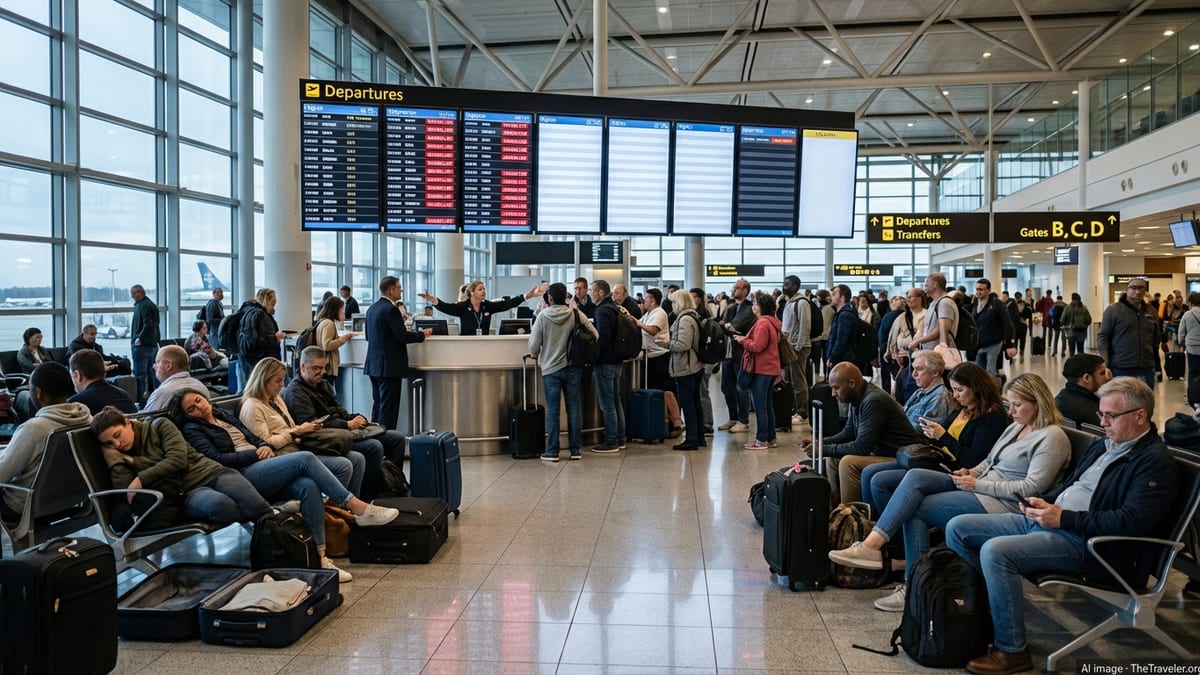
Israel is moving ahead with special repatriation flights from the United Arab Emirates to bring home thousands of stranded travelers after an alleged cockpit attack on a FlyDubai service to Tel Aviv led to the suspension of regular air links between the two countries.
Get the latest news straight to your inbox!
Emergency flights follow dramatic midair incident
According to publicly available information, the repatriation effort follows an incident on September 30, 2026, involving FlyDubai flight FZ1073 from Dubai to Tel Aviv. Investigations described in international coverage indicate that the copilot allegedly stabbed the captain inside the cockpit and tried to crash the aircraft, prompting a rapid loss of altitude before the crew and passengers managed to regain control and divert to Tabuk in Saudi Arabia.
Reports from aviation and regional news outlets state that the aircraft, a Boeing 737 Max 8, made an emergency landing in Tabuk with all 182 people on board, including eight crew members, surviving the ordeal. Images and eyewitness reports published in global media show passengers disembarking in Saudi Arabia before being transferred onward to Israel on a replacement aircraft.
In the immediate aftermath, FlyDubai announced the suspension of its flights to and from Israel while authorities in the United Arab Emirates, Israel and Saudi Arabia opened inquiries into the attempted hijacking and the motives of the copilot. Publicly available statements from regional leaders and security officials cited in news reports have characterized the incident as a suspected terror attack, though investigations remain ongoing.
The sudden halt in FlyDubai services, which had been a key connector between Dubai and Tel Aviv since the normalization of relations in 2020, left thousands of passengers in the UAE and across Asia without a direct route home to Israel, triggering calls for an organized airlift.
Israeli carriers step in to bridge the air link
Coverage in Israeli and international media indicates that the country’s Transportation Ministry approved a program of repatriation flights from the UAE beginning Friday, October 2, 2026. The operation relies on Israel’s three main scheduled carriers, El Al, Arkia and Israir, which have been authorized to operate one way services from Dubai and other UAE airports back to Tel Aviv’s Ben Gurion International Airport.
According to figures reported by regional news outlets, Israeli authorities have cleared repatriation flights for roughly 1,800 stranded passengers in an initial phase, with capacity expected to grow as airlines add rotations and equipment. Additional reporting from local media in Israel suggests that the broader pool of citizens and residents seeking to return may number in the several thousands, including travelers who began their journeys in Asia and connected through Dubai.
The flights are being operated under special security and regulatory approvals following consultations between aviation regulators and security agencies on both sides. Publicly available information from airline announcements suggests that the services will initially run as one way, UAE to Israel only, while broader questions about ongoing commercial operations and security protocols remain under review.
Travel industry observers note that the deployment of multiple Israeli carriers into the UAE market for these missions highlights both the scale of the disruption caused by the FlyDubai suspension and the strategic importance of the Dubai–Tel Aviv corridor for tourism, business travel and onward connections across Asia and Europe.
Delays, uncertainty and guidance for stranded travelers
Despite the launch of repatriation flights, coverage in Israeli and UAE-based outlets indicates that the return process is not immediate. Reports from Israel National News and other local media state that some planned rescue flights encountered delays or cancellations linked to outstanding landing and overflight permit issues, as well as additional time required for enhanced security coordination.
Public reporting suggests that travelers currently in Dubai and other Emirates have been advised to remain in close contact with their airlines and travel agents and to monitor flight information systems, as departure times for the special services may shift at short notice. Some airlines have announced that affected passengers may change their tickets to the repatriation flights without additional fare differences or penalties, although specific conditions vary by carrier and booking class.
Travelers connecting through Dubai from destinations such as Thailand and India have been among the most impacted, according to regional coverage, as their itineraries were built around FlyDubai’s network to Israel. With the carrier’s Israel operations suspended, many of these passengers now require rebooking on a combination of UAE and Israeli airlines or, in certain cases, complete itinerary changes routed through different hubs.
Insurance implications are also emerging as a concern. Industry commentary appearing in financial and travel media notes that policy responses may depend on whether the disruption is categorized as an act of terrorism, an industrial incident or a general safety suspension. Travelers are being encouraged, in publicly available advisories, to review policy wording on trip interruption and to document all communication with airlines and agents.
Security scrutiny and the future of the Dubai–Tel Aviv route
The FlyDubai incident has placed aviation security in the Dubai–Tel Aviv corridor under renewed scrutiny. Detailed timelines published by international news agencies describe how the aircraft sent alternating distress codes, including one associated with an emergency and another linked to unlawful interference, in the minutes when the copilot allegedly attacked the captain and the aircraft began a steep descent.
Security analysts cited across multiple outlets have highlighted several issues under review, including cockpit access procedures, monitoring of crew mental health and radicalization risks, and coordination between intelligence services and airlines serving high profile routes. According to media reports, regulators in Israel, the UAE and other countries involved are examining whether additional layers of vetting or inflight safeguards are required for cockpit crew operating flights between the two states.
Before the suspension, FlyDubai and Israeli carriers had established a frequent schedule between Dubai and Tel Aviv, serving leisure travelers heading to Gulf resorts and shopping districts, as well as business passengers using Dubai as a hub to India, Southeast Asia and Australasia. Industry data referenced in recent coverage indicates that these routes carried hundreds of thousands of passengers annually since direct flights began following the Abraham Accords.
Analysts quoted in open media suggest that the pace at which full commercial operations resume will depend on the outcome of the investigation, any formal determination about the motives behind the attack and the willingness of both governments to endorse revised security protocols. In the meantime, the repatriation flights represent a limited and tightly controlled alternative designed solely to return stranded passengers rather than restore normal tourism and business flows.
Impact on travelers and regional connectivity
For individual travelers, the immediate impact has been disruption to holiday plans, family visits and business trips. Accounts shared in published interviews and images from Ben Gurion Airport show relieved passengers arriving from the UAE and other diversion points, many describing a desire to reach home quickly rather than continue with regional itineraries.
Tour operators and travel agencies with packages built around Dubai extensions from Israel are now working to rebook or refund customers in light of the uncertain timeline for the resumption of standard FlyDubai services. Publicly available commentary from the tourism sector indicates that some companies are proactively shifting clients to alternative hubs, such as Istanbul or European gateways, to maintain access to long haul networks.
At a broader level, aviation analysts note in recent reporting that the episode underscores both the benefits and vulnerabilities of the rapid expansion in air links between Israel and parts of the Gulf since 2020. The normalization of relations opened valuable new markets but also introduced complex security and diplomatic considerations that become particularly visible when a crisis unfolds midflight.
Until the investigation clarifies the circumstances of the attack and regulators agree on any new measures, travelers planning routes between Israel and the UAE are likely to face a patchwork of special flights, indirect routings and short term schedule changes. For now, the repatriation services operated by Israeli carriers offer a crucial but limited bridge home for those caught in the middle of an unprecedented aviation scare on one of the region’s newest and most symbolic corridors.