


More news on this day
David Tepper, the billionaire investor whose aggressive wager on Micron turned into one of this year’s standout semiconductor wins, has begun building positions in major U.S. airlines, adding a fresh aviation twist to a portfolio long associated with artificial intelligence and memory chips.
Get the latest news straight to your inbox!
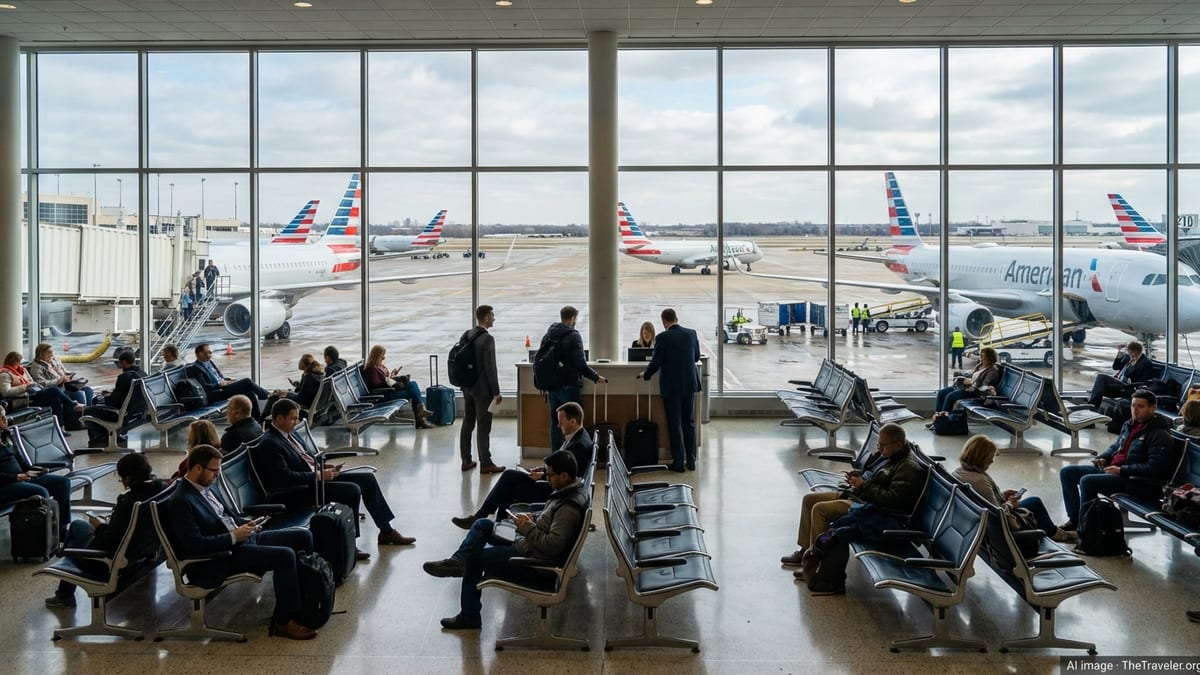
From AI Memory Chips to Airplanes
Regulatory filings tracking the latest quarter of Tepper’s Appaloosa Management show a notable tilt away from an almost singular focus on Micron Technology toward a more diversified slate that now includes U.S. airline stocks. For a manager widely associated with big, concentrated technology calls, the shift is drawing attention across markets.
Tepper’s Micron bet has been emblematic of the broader artificial intelligence trade. Publicly available portfolio disclosures indicate that Appaloosa tripled its Micron stake in late 2025, lifting the position to well over four hundred million dollars and making it the fund’s single largest holding. That move was rewarded as Micron shares surged alongside surging demand for AI-focused memory and high-bandwidth products.
Now, filings indicate that Appaloosa has begun accumulating airline names, adding a cyclical, travel-linked layer to a portfolio that had been dominated by data centers and chipmakers. While the airline positions are still small compared with Micron’s size, they signal an attempt to capture a different leg of the post-pandemic global recovery.
The pivot comes at a moment when semiconductor valuations have become a flashpoint. Published commentary has highlighted the extraordinary run in chip stocks and raised questions about how long the current investment cycle can last. Against that backdrop, Tepper’s move into airlines appears to be a calculated step toward balancing technology gains with exposure to real-economy travel demand.
Why a Micron Bull Would Look to Airline Stocks
Market observers see several reasons why an investor who prospered from Micron’s AI-fueled boom might now be attracted to carriers. Airlines sit at the intersection of discretionary consumer spending, business travel, and global trade, all of which benefit when growth proves stronger than feared and inflation pressures ease.
Travel demand has broadly recovered from the depths of the pandemic, with major carriers reporting high load factors and strong transatlantic and leisure bookings. At the same time, capacity constraints, fleet renewal needs, and continued bottlenecks in aircraft manufacturing have limited the pace at which airlines can add seats. For value-focused investors, that combination of resilient demand and disciplined capacity can translate into firmer pricing power and more predictable cash flows.
Another factor is relative valuation. While Micron and other semiconductor names have logged eye-catching gains in recent quarters, airline stocks have tended to lag the broader market, weighed down by concerns over fuel costs, labor negotiations, and the long shadow of past downturns. By selectively adding airlines, Tepper appears to be positioning for a scenario in which cyclical travel names play catch-up as investors rotate out of the year’s most crowded technology trades.
For a manager accustomed to leaning into volatility, airlines also offer a familiar set of moving parts: macroeconomic sensitivity, capacity cycles, and event risk. The challenge is timing. Buying when sentiment is still cautious but operational data are improving has historically been a hallmark of Tepper’s distressed and cyclical investments.
What Tepper’s Airline Turn Means for Travel and Aviation
For the travel sector, the arrival of a high-profile hedge fund investor is a signal that aviation is again seen as an attractive arena for sophisticated capital. It suggests that, beneath the surface noise of fare sales and occasional operational disruptions, large investors view airline earnings power as more durable than headline volatility might imply.
Appaloosa’s interest could also support broader confidence in airline balance sheets. After years of navigating pandemic-era debt loads and delayed aircraft deliveries, many carriers have focused on trimming leverage and improving free cash flow. Investors tracking Tepper’s moves may interpret his new positions as a vote of confidence in that repair process and in the industry’s ability to sustain profitability through the next stage of the cycle.
There are potential implications for how airlines manage their networks and fleets as well. Shareholders looking for returns typically reward carriers that prioritize high-yield routes, disciplined capacity growth, and capital allocation strategies that favor share repurchases or dividends once balance sheets stabilize. The presence of large, performance-driven investors can reinforce those priorities, especially in markets where competition for investor capital against fast-growing technology names has intensified.
For travelers, the shift of hedge fund money into airlines is unlikely to change ticket prices in the near term, but it underscores an important trend: aviation is increasingly viewed not just as a utility but as a key lever in the global services economy, with routes, premium cabins, and loyalty programs all playing into the sector’s investment narrative.
Risks Behind the New Travel Bet
Despite the renewed interest from heavyweight investors, airline stocks carry familiar risks. The industry remains highly sensitive to fuel costs, economic slowdowns, and geopolitical tensions that can disrupt routes or dampen demand. Even modest changes in jet fuel prices or foreign exchange rates can materially impact margins, especially for carriers operating extensive international networks.
Labor is another pressure point. Recent years have seen a wave of contract renegotiations with pilots, cabin crew, and ground staff, all seeking better pay and improved working conditions after the stresses of the pandemic period. Higher wage agreements can weigh on profitability if not offset by productivity gains or revenue growth, a dynamic that equity investors will be watching closely.
Capacity decisions also pose a challenge. Large orders for new aircraft, often placed years in advance, can collide with changing economic conditions by the time deliveries arrive. If Tepper’s thesis rests on continued tight capacity and strong pricing, any unexpected surge in supply or slowdown in demand could cap the upside for airline stocks even as Micron and other technology holdings still benefit from structural AI trends.
For Appaloosa, the risk management question is how to balance these airline exposures against the fund’s longstanding commitment to Micron. A sharp correction in semiconductor shares or a surprise downturn in travel could test the resilience of a portfolio that straddles both sides of the modern economy: digital infrastructure on one side, and physical mobility on the other.
A New Signal in the Post-Pandemic Travel Cycle
Tepper’s move into airlines adds a new data point to the story of the post-pandemic travel recovery. Early in the rebound, airlines were often treated as short-term reopening trades, vulnerable to each new variant or macro scare. Now, with demand patterns normalizing and investors searching for opportunities beyond the crowded AI space, carriers are beginning to reappear on institutional shopping lists.
The combination of a still-powerful Micron position and fresh airline stakes captures an emerging view that the next phase of the market may reward both digital and physical infrastructure. Data centers, memory chips, and AI accelerators enable virtual connectivity, while long-haul flights, regional routes, and busy hubs move people and goods in the real world.
For travel industry watchers, the question is whether other large managers will follow Tepper’s lead, gradually increasing exposure to airlines as part of a broader rotation within equities. If that happens, the sector could see a tailwind from capital flows just as it seeks to modernize fleets, expand premium offerings, and adapt to new sustainability expectations.
As filings continue to update in coming quarters, the size and shape of Tepper’s airline wager will provide a window into how one of the market’s best-known risk takers reads the intersection of technology, travel, and the global economic cycle.