


More news on this day
American Eagle flight RPA5903, operated by Republic Airways on an Embraer 175 between Columbus and Washington, diverted to New York LaGuardia on June 27, highlighting how routine safety protocols intersect with growing regional airport disruption at the height of the U.S. summer travel period.
Get the latest news straight to your inbox!
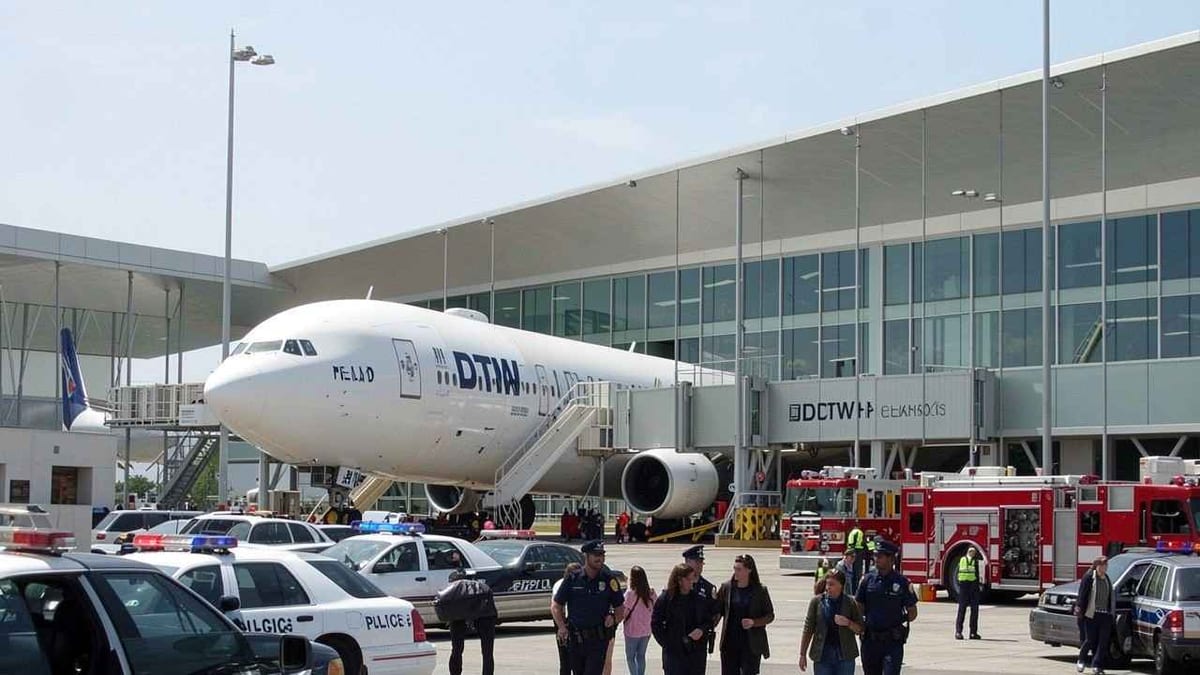
Midroute Diversion Brings Columbus–Washington Flight into New York
Publicly available flight tracking data and industry coverage indicate that RPA5903 departed John Glenn Columbus International Airport on a scheduled service to Washington before altering course and proceeding to New York LaGuardia instead. The aircraft involved, an Embraer E175LR operating under the American Eagle brand, completed the diversion safely, with the change of destination occurring midroute rather than returning to origin.
Reports describe the event as a controlled operational diversion rather than an emergency, with the flight landing normally in New York. Once on the ground at LaGuardia, standard diversion procedures were expected to come into play, including coordination between airline operations teams, airport staff and regional partners to manage passengers and baggage.
The diversion adds another data point to a summer marked by heavy load factors and tight regional schedules, where any disruption on shorter routes can quickly ripple across hubs. For travelers, it serves as a reminder that even routine flights between major East Coast cities remain vulnerable to fast-changing operational conditions.
Regional Airport Strains and a Summer of Irregular Operations
The shift of RPA5903 from Washington to LaGuardia arrives amid a broader pattern of strain across regional and hub airports in the northeastern United States. Recent travel coverage has highlighted clusters of delays, diversions and cancellations at New York–area fields, with LaGuardia regularly appearing among the country’s most congested airports during peak periods.
Earlier in June, published analyses of LaGuardia’s performance pointed to more than 100 delays in a single day affecting multiple carriers, including American, as thunderstorms, airspace constraints and tight turnaround times combined to snarl schedules. Other reporting has documented days where triple-digit delay counts and notable cancellation totals pushed the airport’s operations close to saturation.
These conditions create a challenging backdrop for regional operators such as Republic Airways, which fly dense banks of short-haul flights using smaller jets. When congestion develops at one major node in this network, flights like RPA5903 can be rerouted to whichever airport offers the best combination of runway access, gate availability and onward connectivity for passengers.
How Diversion Protocols Work for Regional Carriers
Customer service plans and tarmac delay documents published by Republic Airways outline the general framework carriers use when a flight diverts away from its original destination. Although each event is unique, the common priorities are safe completion of the flight, timely deplaning and clear options for travelers whose itineraries have been disrupted.
In practice, this means that once a diversion such as that involving RPA5903 is executed, ground teams typically move quickly to secure gate space, coordinate with the marketing carrier, in this case American Eagle’s parent partner, and arrange new routings to passengers’ intended destinations. Depending on the cause of the diversion and operational control, rebooking, meal provisions or overnight accommodation may be handled under the policies of the airline whose code appears on the ticket.
Regulatory requirements in the United States also shape how diversions unfold. Carriers must comply with federal rules on tarmac delays, including time limits for keeping customers on aircraft before allowing them to deplane, and must maintain contingency plans for irregular operations. These frameworks are designed to balance safety considerations with passenger welfare, particularly when diversions occur at congested airports like LaGuardia.
LaGuardia’s Growing Role in Managing Northeast Disruptions
While LaGuardia itself has been the epicenter of recurrent delays and capacity squeezes, the airport also frequently serves as a practical diversion point for flights that were never scheduled to arrive there. Its proximity to major population centers and its dense web of domestic connections make it a logical alternative when other airports in the region face weather, traffic control constraints or ground stoppages.
Recent coverage of operations at LaGuardia on June 27 points to dozens of delays and a handful of cancellations across several major airlines, underscoring how quickly schedules can become imbalanced. In this context, accepting diversions such as RPA5903 becomes an exercise in triage, as airlines weigh the tradeoff between rerouting traffic into an already busy field and the need to bring flights to a safe and serviceable airport.
Operational data for American and its regional partners at LaGuardia over the past several months show fluctuating on-time performance as carriers attempt to manage high summer demand. For flights using smaller regional jets, rapid turnarounds are essential to keep aircraft and crews in position, but they leave less margin to absorb delays, making diversions a more common tool when schedules begin to slip.
What the Diversion Means for Summer Travelers
For passengers on RPA5903 and similar regional flights, a diversion can translate into missed connections, altered ground plans and extended travel days. However, the handling of such events has improved in recent years as airlines expand mobile notifications, same-day rebooking tools and cross-airport transfer options for travelers disrupted midjourney.
Travel experts often advise that during periods of volatile weather and high traffic, such as late June and early July, passengers build additional buffer time into itineraries, especially when connecting through congestion-prone hubs. Booking earlier departures, avoiding tight layovers and keeping an eye on local and en route weather patterns can help reduce the stress if an aircraft is rerouted to an alternate airport like LaGuardia.
In the case of RPA5903, the safe diversion and orderly arrival in New York illustrates how modern regional operations are structured to prioritize safety and control, even at the cost of schedule certainty. As the peak summer travel season continues, similar incidents are likely to remain a feature of flying in and out of the busy Northeast corridor, where a single diverted regional jet can signal a much broader pattern of strain across the system.