


More news on this day
Amtrak is putting more of its new NextGen Acela high-speed trains into daily service along the Northeast Corridor, marking a visible shift as the upgraded fleet replaces aging first-generation sets and expands capacity on one of the country’s busiest rail routes.
Get the latest news straight to your inbox!
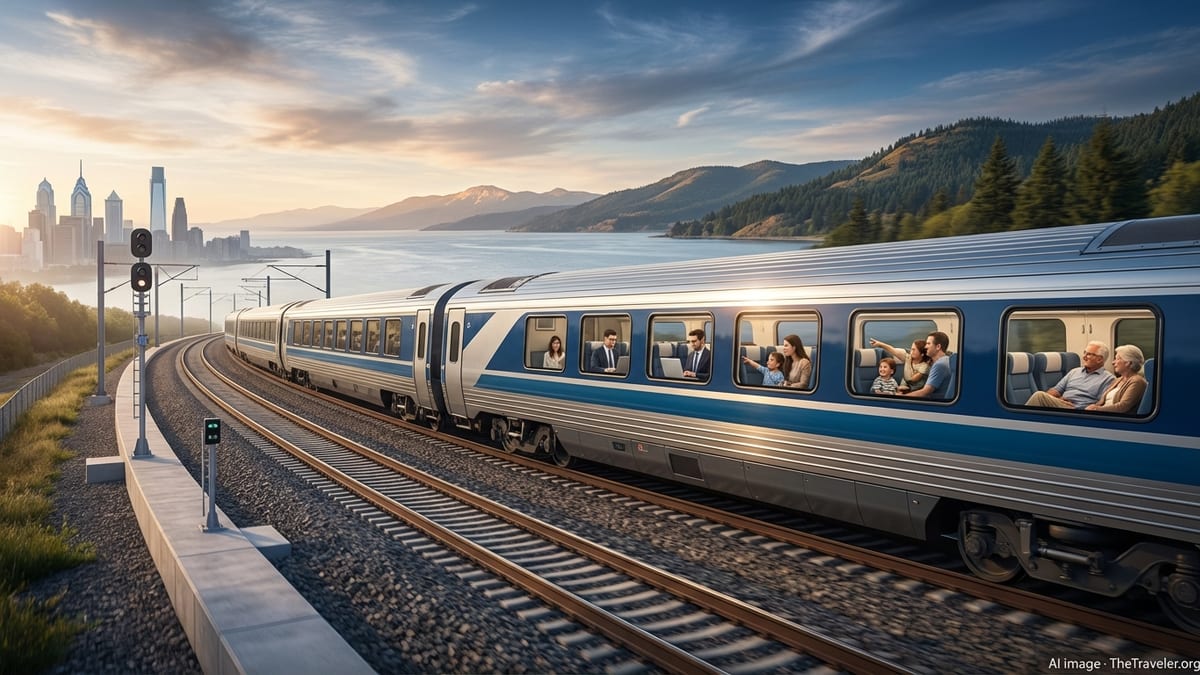
More trainsets, more seats on key business routes
Publicly available information shows that Amtrak has begun rotating an increasing number of its 28 ordered NextGen Acela trainsets into revenue service between Washington, New York and Boston. Early operations began with just a handful of sets after the launch on August 28, 2025, but industry coverage now indicates that a growing share of Acela-branded departures are operated by the new Avelia Liberty equipment.
Rail industry reports describe the program as a phased rollout, with additional sets accepted from manufacturer Alstom and added to the timetable as they clear testing and commissioning milestones. This approach keeps capacity in step with available maintenance resources while allowing customers to experience the new trains on more frequencies each month.
According to coverage in specialist railway publications, the full NextGen Acela order is scheduled to be in service by 2027, replacing the original Acela fleet that dates back to 2000. As more trainsets enter rotation, riders are seeing a mix of legacy and NextGen equipment on the corridor, with the balance gradually tilting toward the new trains.
Amtrak’s own fact sheets and media materials highlight that the program is designed to increase seating capacity on each departure as well as the overall number of high-speed trains that can be scheduled during peak periods. The combination is intended to relieve crowding on popular business-travel departures and to capture still-growing demand for rail travel on the Northeast Corridor.
Capacity gains and schedule flexibility for riders
NextGen Acela trainsets are longer and configured with more seats than the first-generation Acela equipment, and Amtrak promotional materials emphasize that each train can carry significantly more passengers. Industry analyses suggest that once the new fleet fully replaces the older sets, total Acela capacity on the corridor could rise by hundreds of thousands of seats per year.
Reports from railway trade outlets indicate that the additional trainsets are already giving schedulers more flexibility to add or adjust high-frequency services at peak times. As more units enter service, the company is positioned to offer denser rush-hour patterns between New York and Washington and to strengthen links to Boston, where infrastructure constraints historically limited timetable options.
Recent commentary in enthusiast and rail operations forums notes that Amtrak appears to be assigning NextGen trainsets to some of the highest-demand departures first, particularly peak business trains, while gradually backfilling other slots as more sets arrive. That strategy helps build visibility for the new product and targets upgrades where they can have the most immediate impact on ridership and revenue.
Travel industry coverage also points out that increasing capacity with new equipment can support more promotional fares on off-peak departures, giving leisure travelers more opportunities to use high-speed services that were once primarily associated with premium business travel.
Onboard upgrades and passenger experience
Amtrak marketing materials describe the NextGen Acela as offering a redesigned interior with updated seating, modern lighting and more power outlets and USB ports at each seat. The new trains retain the service’s all-reserved Business Class and First Class configuration, but public information highlights changes such as larger overhead luggage areas and upgraded onboard information screens.
Railway and travel reports note that the trains are built to operate at up to 160 miles per hour on suitable sections of the Northeast Corridor, taking advantage of infrastructure improvements completed in recent years. While published timetables currently focus on reliability rather than headline speed reductions, analysts suggest that as more of the fleet enters service and operating patterns stabilize, there may be room to refine schedules.
The new equipment also incorporates updated safety and accessibility features compared with the original Acela sets. Amtrak’s promotional descriptions reference improved boarding arrangements, redesigned restrooms and more intuitive interior layouts aimed at helping passengers move through the train more easily, especially when it is crowded.
Passenger feedback shared in public forums since the launch has focused on details ranging from seat firmness and lighting to the quieter ride and more contemporary feel of the interiors. While opinions on comfort vary, recurring comments emphasize that the trains present a noticeably newer environment than the aging first-generation fleet they are replacing.
Infrastructure and maintenance challenges in the rollout
An audit report from the Amtrak Office of Inspector General, published in late 2025, warned that delays in upgrading certain maintenance facilities could limit how many NextGen Acela and forthcoming Airo trainsets the company could operate at once. The report indicated that without additional shop capacity, Amtrak might be temporarily constrained to fewer sets in daily service than the full fleet allows.
Subsequent public documents, including Amtrak’s grant and legislative requests, describe ongoing investments in maintenance bases along the Northeast Corridor to support the new equipment. Work includes modernized service bays, updated lifting and inspection systems and expanded space for storing parts specific to the new fleet.
Industry commentary suggests that these behind-the-scenes upgrades are critical to sustaining a higher number of trainsets in rotation without eroding reliability. High-speed equipment has tighter maintenance intervals than conventional rolling stock, and having sufficient shop capacity is central to delivering the greater frequencies and capacity that the NextGen program is meant to provide.
Despite these constraints, recent media briefs indicate that Amtrak is steadily increasing the number of daily NextGen-operated Acela trips as more facilities come online and staff gain experience with the new technology. The gradual pace of introduction reflects a balance between customer-facing ambitions and the practical realities of maintaining a complex high-speed fleet.
What more NextGen Acelas mean for Northeast travel
Transportation analysts view the expansion of NextGen Acela service as part of a broader modernization push on the Northeast Corridor, which also includes new Airo trainsets for other routes and infrastructure investments funded over the past several years. As more high-speed sets replace older equipment, the corridor is expected to offer a more consistent and contemporary experience from end to end.
Published coverage notes that increasing the share of services operated by the new trains helps strengthen rail’s competitiveness with air travel on key city pairs such as Washington to New York and New York to Boston. Reliability improvements, additional frequencies and refreshed interiors are seen as important factors for time-sensitive business travelers choosing between rail and short-haul flights.
For regular riders, the most visible change will be the growing likelihood that any given Acela ticket will be on a NextGen set rather than a legacy train. As deliveries continue and more units are accepted into service, timetable data suggest that the new trains will account for a majority of peak-period high-speed departures well before the full fleet is in place.
With more NextGen Acelas now in service and additional sets expected over the next year, the Northeast Corridor is entering a transition period in which high-speed rail capacity, comfort and reliability are gradually being reset. For travelers between Washington, New York and Boston, the incremental appearance of more blue and silver NextGen trainsets signals that the long-planned fleet renewal is finally becoming a day-to-day reality.