


More news on this day
A collision between a locomotive and an SUV near York, Nebraska, has left one person dead in a pre-dawn incident that briefly disrupted rail and highway traffic and prompted a large emergency response, according to regional media coverage and publicly available local reports.
Get the latest news straight to your inbox!
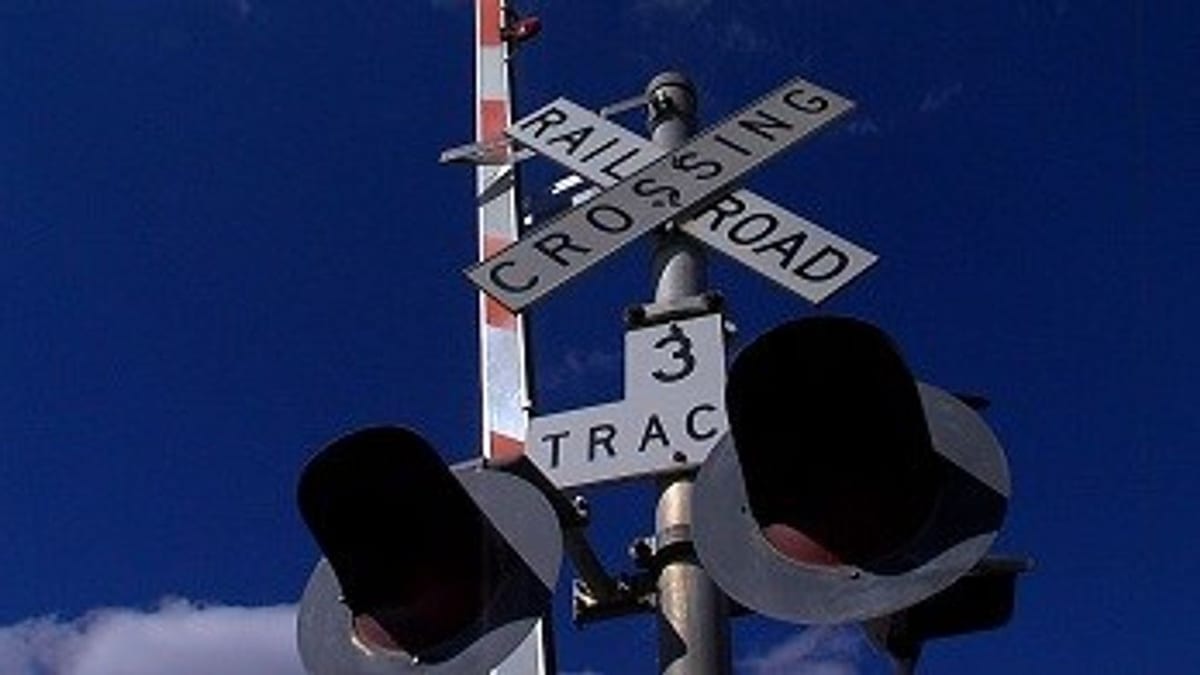
Pre-dawn crash along Highway 81 corridor
Reports indicate the fatal collision occurred early Wednesday morning along the U.S. Highway 81 corridor in York County, in an area that combines a major north-south roadway with active freight rail infrastructure. Coverage from Nebraska outlets states that emergency crews were called to the scene at around 4:20 a.m., after an SUV and a train collided near mile marker 63.
Initial information from public reports suggests the SUV was on or near the rail crossing when the locomotive approached, with limited visibility and low early-morning light likely complicating conditions for both road users and train crews. The impact fatally injured the SUV’s driver, who was pronounced dead following the crash. No injuries to rail personnel were immediately reported in available coverage.
The collision is one of several serious incidents recorded in recent years at or near major highway and rail junctions around York, a regional transport hub for both road freight and rail traffic in central Nebraska. The mix of heavy truck movements, local traffic, and frequent trains has highlighted the ongoing safety challenges at at-grade crossings in rural counties.
Emergency response and traffic disruption
Publicly available information shows that multiple York County agencies responded to the scene following initial 911 calls, including law enforcement, fire, and medical teams. Their focus was on securing the crossing area, assessing the condition of those involved, and checking the train and track for any additional hazards such as fuel leaks or debris on the line.
The collision forced a temporary halt to rail movements through the area while responders worked at the site and inspectors assessed damage to the locomotive, rolling stock, and track. Highway traffic along the affected stretch of U.S. 81 also experienced delays as vehicles were diverted or slowed near the crossing during the initial investigation and recovery operations.
Local reporting indicates that once the SUV was removed and the track cleared, limited movements resumed, with full rail operations restored later in the day. For nearby residents and early morning commuters, the presence of emergency vehicles and idled trains served as a striking visual reminder of the risks that persist where rail lines intersect busy roads.
Continuing investigation into circumstances
As with most serious train-vehicle collisions, investigators are expected to review a range of factors, from the functioning of crossing signals and gates to road conditions, lighting, and the actions of the driver and train crew in the seconds before impact. Event recorder data from the locomotive, often compared to an aircraft flight recorder, typically provides detailed information on train speed, horn use, and braking.
Investigators commonly examine whether crossing protection was operating as designed, whether any vehicles were stopped on or too close to the tracks, and whether sight lines along the rail right of way were obstructed by vegetation or structures. Toxicology testing for those directly involved is standard protocol in serious traffic and rail incidents.
Publicly available rail safety data from Nebraska show that while fatal train-vehicle collisions are relatively rare compared to highway-only crashes, they tend to be severe when they do occur, due to the size and weight of modern freight trains. The outcome in York County, with one life lost, reflects that broader pattern of low frequency but high consequence incidents.
Rail and road safety context near York
The area around York sits at a crossroads of regional trucking routes and significant rail lines that move agricultural products, manufactured goods, and other freight across the Great Plains. Over the past several years, local coverage has documented a string of serious transportation incidents in the county, including multiple fatal road crashes along Highways 34 and 81.
These events have intensified discussion over how best to balance efficient freight movement with the safety of local traffic. Common measures considered in similar communities include upgraded warning systems at crossings, additional signage, improved lighting, and, where justified by traffic volumes and risk, grade separation projects that route vehicles over or under the tracks.
Rail safety initiatives in Nebraska and across the United States frequently emphasize driver behavior at crossings, urging motorists to avoid attempting to beat signals, never stop on the tracks, and remain alert for trains on any track in either direction. Education campaigns often target rural drivers who regularly encounter unprotected or minimally protected crossings.
Community impact and safety messaging
The death in the latest York County train collision adds to what local observers describe as a difficult period for road safety in the region. Each fatal crash leaves a lasting impact on families, first responders, and the wider community, particularly in smaller counties where victims and emergency personnel are often personally connected.
In the wake of serious incidents, public agencies and safety advocates typically renew calls for caution at rail crossings and along high-speed rural highways. Messages focus on slowing down when approaching tracks, never assuming a crossing is clear, and recognizing that trains can be closer and moving faster than they appear.
As the investigation into the collision near York proceeds, further details about the precise sequence of events are expected to emerge through official reports and follow-up coverage. For now, publicly available information underscores how a brief encounter at a rural rail crossing in the early hours of the morning can have irreversible consequences, reinforcing long-standing warnings about the need for vigilance wherever roads intersect the rails.