


More news on this day
Hundreds of Amtrak passengers endured nearly 24 hours stranded on halted trains in central and northeast Florida after an April 2026 wildfire forced rail lines to close and brought long-distance service to a standstill.
Get the latest news straight to your inbox!
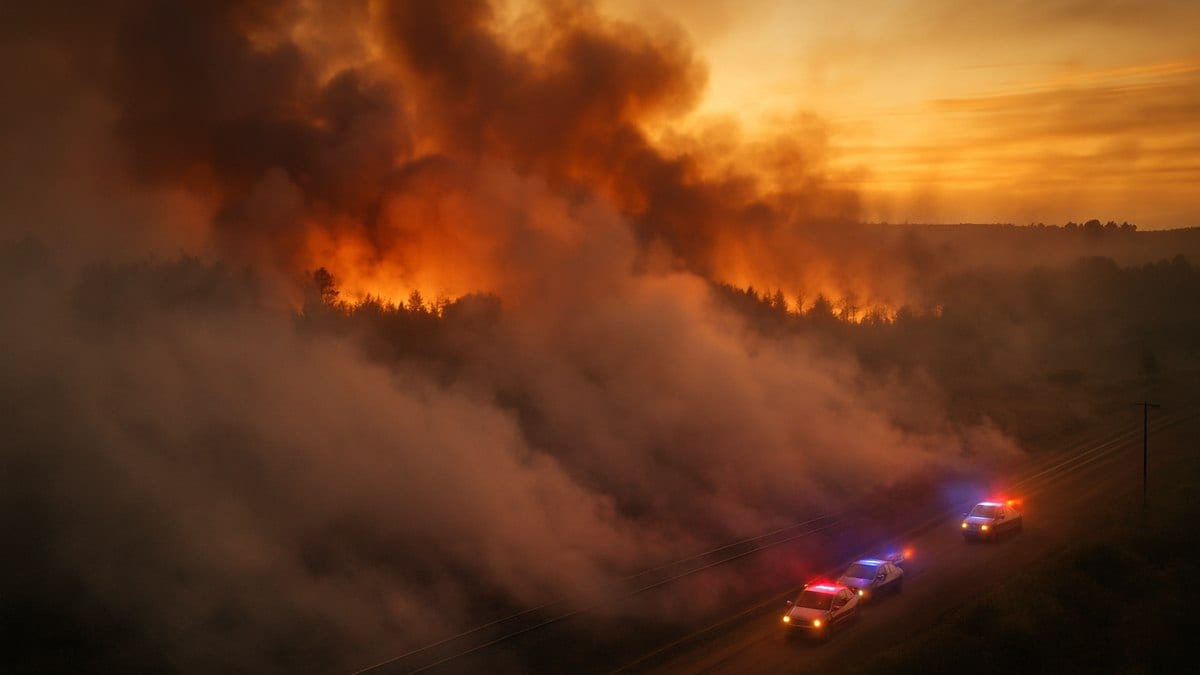
Wildfire Along Key Rail Corridor Brings Trains to a Halt
The disruption unfolded as a large wildfire burned along the Clay and Putnam County line in northeast Florida, part of a broader outbreak of fires across the state. Publicly available information from the Florida Forest Service describes thousands of acres affected and containment levels that remained low through Monday, April 20, as dry, windy conditions persisted.
Rail traffic in and out of Florida converges through this corridor, and multiple reports indicate that flames and heavy smoke near the tracks forced freight and passenger movements to stop for safety reasons. News coverage from Florida outlets describes the Crews Road Fire near Green Cove Springs and separate fires closer to DeLand contributing to visibility problems, road closures, and evacuation orders in nearby neighborhoods.
As firefighting crews worked to contain advancing flames, dispatchers halted trains in place rather than risk moving them through active fire zones or areas with embers and falling debris. That decision left a northbound Silver Meteor and other long-distance trains immobilized for many hours in rural stretches without station access.
Satellite imagery and regional fire maps published on Monday showed a patchwork of burn scars and active hot spots across north and central Florida, underscoring how quickly the situation escalated from a localized brush fire to a statewide transportation disruption affecting rail, road, and air quality.
Passengers Face Overflowing Toilets, Limited Water and Rising Heat
For passengers aboard the stranded trains, the most immediate impact was not the flames but deteriorating on board conditions as the delay stretched from hours into nearly a full day. Accounts shared in regional television coverage and on public forums describe trains running low on potable water and food, with some riders reporting that toilets stopped functioning as onboard tanks filled and water systems failed.
Several riders posting to social media platforms and rail enthusiast forums on April 20 and 21 reported being held in the same location near DeLand or Palatka for more than 18 hours, and in some cases close to 24 hours. These accounts describe warm, crowded coaches, limited ventilation when locomotives cycled power, and uncertainty over when the train would move again.
Coverage by outlets in Jacksonville, Orlando, and Miami highlights individual stories of missed connections, canceled vacations, and anxiety about medical needs while confined to the train. Some families traveling with children described improvising ways to stay comfortable through the night as temperatures inside the cars rose and supplies dwindled.
Publicly available information from Amtrak’s service alerts shows that the company classified the incident as a significant disruption and referenced wildfire activity along host railroad territory as the cause. However, many passengers only learned of the broader scale of the fires later, after disembarking or regaining cell service strong enough to stream live news.
Amtrak Cancels Routes and Diverts Long-Distance Trains
The prolonged strandings occurred alongside a cascade of schedule changes across Amtrak’s Florida network. According to published coverage from national and regional outlets, the company canceled its Auto Train service between Sanford, near Orlando, and Lorton, Virginia, on Monday, April 20, citing wildfire conditions along the route.
Amtrak’s Silver Meteor, a key New York to Miami service, operated only as far as Jacksonville in at least one direction, with service south of the city suspended while fires burned near the tracks in central Florida. Separate reports indicate that the long-distance Floridian route between Chicago and Miami was temporarily truncated to Savannah, Georgia, keeping trains north of the most active fire zones.
Service advisories available on Amtrak’s website and shared by travel news outlets reference substitute bus connections for some segments, particularly between Jacksonville and South Florida. However, buses could not immediately reach trains halted in remote stretches of track, leaving those riders to wait until railroad managers deemed the line safe to reopen or to back trains away from danger.
Rail trackers and enthusiast tools used by passengers show long-distance trains stacked up on both sides of the affected corridor, with some departures preemptively canceled for Tuesday, April 21, as crews inspected infrastructure for potential heat damage and cleared debris from the right of way.
Fire Conditions Expose Vulnerabilities in Rail Resilience
The April wildfire event has drawn fresh attention to how dependent long-distance passenger rail is on single corridors through environmentally sensitive areas. Publicly available drought monitoring data cited in regional reporting shows parts of north Florida in an exceptional drought classification, a level associated with extreme fire risk, thin ground cover, and rapid spread of new ignitions.
Transportation analysts quoted in background coverage over recent years have noted that Amtrak’s Florida routes largely rely on privately owned freight railroad tracks, which pass through forests, wetlands, and small towns with limited alternative routing. When a section of line is closed by fire, there are few viable detours for long passenger trains, particularly overnight services with sleeping cars and baggage cars.
In this incident, the convergence of an active wildfire zone, high passenger volumes on spring travel dates, and the lack of nearby stations or sidings with road access created a situation in which trains could not easily be evacuated. Public discussion on rider forums in the aftermath has raised questions about contingency planning, onboard emergency supplies, and the feasibility of prepositioning buses in regions forecast to face heightened fire risk.
Climate researchers have also pointed out that warming trends and shifting rainfall patterns in the Southeast are increasing the frequency of springtime fire weather days. While wildfires have long been part of Florida’s landscape, the overlap between peak tourism season and more volatile fire conditions may place additional stress on transportation providers in future years.
Travelers Weigh Future Rail Plans as Reviews Pour In
As the tracks gradually reopened and stranded trains moved again late Monday and early Tuesday, affected travelers began sharing their experiences through local media, social networks, and consumer-review platforms. Many posts praise individual crew members for remaining calm and offering what assistance they could, while also criticizing broader company preparedness for an incident that turned a routine trip into an ordeal.
Some riders reported seeking refunds or travel credits after arriving at their destinations a full day late, while others indicated they would reconsider future long-distance rail trips during Florida’s dry season. Travel industry analysts note that Amtrak has been actively marketing its Auto Train and Silver Service routes as car-free alternatives to congested highways, and the publicity surrounding the wildfire delays could complicate those efforts in the short term.
Consumer advocates who monitor transportation disruptions suggest that travelers build more flexibility into itineraries involving long-distance trains, particularly when connecting to cruises, flights, or time-sensitive events. They also emphasize the importance of packing extra water, medications, and portable chargers in case of unforeseen delays tied to weather, infrastructure, or, as in this case, natural disasters.
For now, publicly available information indicates that Amtrak and its freight railroad partners are monitoring fire conditions and updating schedules day by day. As the Florida Forest Service reports progress on containment and seasonal rains eventually return, rail operators and passengers alike will be watching closely to see what lessons are applied before the next wildfire season tests the state’s transportation networks.