


More news on this day
Travel across East and Southeast Asia has been severely disrupted after regional carriers including Chengdu Airlines, Juneyao Air, Japan Air Commuter, Batik Air and Garuda Indonesia reportedly canceled 65 flights and delayed a further 117 services, causing widespread knock-on effects for passengers connecting through Shanghai and other major hubs.
Get the latest news straight to your inbox!
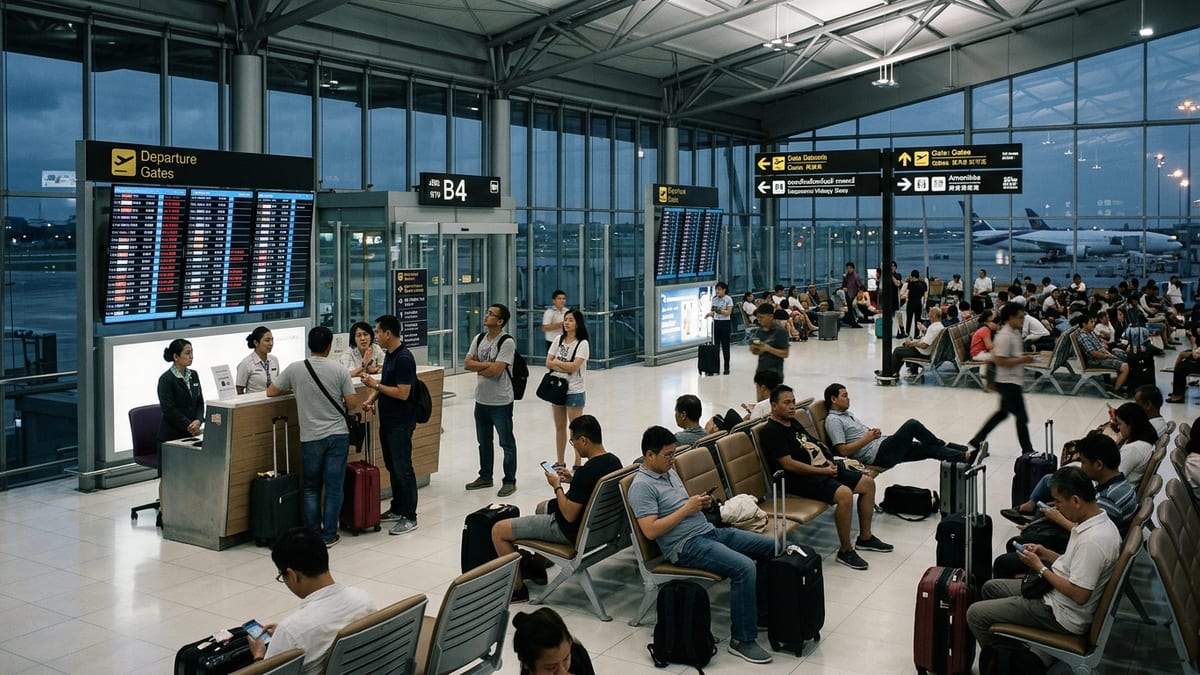
Regional Disruptions Ripple Across Key Asian Routes
Publicly available flight tracking data and industry reports indicate that a cluster of cancellations and delays has emerged across Chinese and regional Asian routes in recent days, centering on services touching Shanghai’s Pudong and Hongqiao airports. The disruptions span domestic Chinese sectors, as well as international links to Japan, Indonesia, Singapore and Malaysia, affecting both point to point travelers and those on long haul itineraries transiting through Shanghai.
The current wave of operational issues is concentrated among a group of mid sized regional carriers that play an outsized role in intra Asian connectivity. Flights operated by Chengdu Airlines, Juneyao Air, Japan Air Commuter, Batik Air and Garuda Indonesia account for a significant share of short and medium haul services linking Chinese cities with destinations in Japan and Southeast Asia, meaning schedule instability quickly translates into missed connections and crowded rebooking desks.
While the precise combination of causes varies by route and carrier, data from airport operations dashboards and flight status aggregators points to a mix of adverse weather in eastern China, air traffic control restrictions around Shanghai and aircraft rotation challenges, all of which can compound rapidly in one of the region’s busiest air corridors. Once a critical mass of flights is delayed or grounded, airlines face mounting difficulty repositioning aircraft and crew to restore normal timetables.
In practice, that has translated this weekend into dozens of scrubbed departures and triple digit delays across the region, with Shanghai serving as the primary pressure point but with visible impacts on secondary hubs such as Chengdu, Jakarta and major Japanese regional airports.
Shanghai Emerges as the Epicenter of Flight Chaos
Shanghai’s dual airport system, anchored by Shanghai Pudong International Airport for most international operations and Hongqiao for a large share of domestic traffic, has emerged as the focal point of the disruption. Real time arrival and departure boards show elevated levels of late running services and short notice cancellations on routes to and from western China and key Southeast Asian gateways.
Juneyao Air, one of Shanghai’s most prominent private carriers, has experienced recurrent schedule volatility on flights linking Pudong with destinations including Chengdu, Sanya and Beijing, according to recent flight tracking records. Individual services between Shanghai and major leisure destinations have registered departure delays extending well beyond scheduled off block times, underscoring the fragility of current rotations when weather or congestion intervene.
Internationally, Garuda Indonesia’s services between Shanghai and Jakarta and other China Indonesia city pairs have also faced timetable pressure, with recent flights operating behind schedule on the busy Shanghai Jakarta corridor. These links are crucial for business travelers and members of the Indonesian diaspora, and delays tend to cascade onto onward domestic connections from Jakarta to Bali and other resort areas.
Operational stress is not limited to Chinese and Indonesian carriers. Data from major Asian hubs shows that connections involving Singapore and Malaysian gateways have been affected when Shanghai originating flights arrive late or are canceled, tightening minimum connection windows and complicating rebooking for travelers heading onwards to Europe, Australia or within Southeast Asia.
Impact on Travelers From China, Japan, Indonesia, Singapore and Malaysia
The immediate impact of the latest round of cancellations and delays is being felt by passengers across at least five major markets. Chinese travelers heading out of Shanghai to regional business centers and holiday destinations are encountering last minute schedule changes, longer than expected layovers and limited alternative options on already busy weekend services.
Japanese routes are also under pressure, particularly those involving smaller regional carriers and commuter services that connect secondary Japanese cities with Chinese hubs. Japan Air Commuter, which feeds traffic into larger Japanese networks, has a comparatively lean fleet, meaning the loss of even a single aircraft to unscheduled maintenance or rotation issues can force multiple cancellations in a single day and complicate cross border itineraries.
For Indonesian travelers, Garuda Indonesia’s network from China into Jakarta and onward domestic points serves as a key bridge for both tourism and labor mobility. When flights from Shanghai arrive significantly late or are canceled, travelers may find themselves facing overnight stays or involuntary rerouting through alternative Asian hubs, particularly when connections to Bali, Surabaya or Makassar are tightly timed.
In Singapore and Malaysia, where Batik Air and other regional carriers operate dense schedules into Chinese and Japanese cities, disruptions at Shanghai can cause knock on effects that reverberate through the day’s rotations. Even when flights operate, departure slot constraints and airspace congestion may produce rolling delays, affecting travelers bound for meetings or cruise departures and compressing recovery windows for airlines already managing tight seasonal schedules.
Operational Pressures Behind the Wave of Cancellations
Analysts following Asian aviation trends note that carriers across the region are operating amid a confluence of operational pressures in late May. Seasonal storms in eastern China, ongoing air traffic management constraints in crowded corridors around Shanghai and Beijing, and a still normalizing post pandemic fleet and crew deployment pattern all contribute to heightened volatility when irregular operations occur.
Publicly available notices and schedule summaries show that airlines such as Juneyao have been steadily rebuilding and expanding their international networks, adding new routes from Shanghai to regional hubs in Japan and Southeast Asia. At the same time, Garuda Indonesia and Batik Air have been recalibrating their China facing schedules as demand rises, placing additional stress on fleet planning when aircraft are pulled for unscheduled checks or when ground times are reduced by knock on delays.
Chengdu Airlines and Japan Air Commuter, while smaller in absolute size, play important roles in feeding traffic into larger trunk routes. When these carriers cancel or delay services, passengers may lose onward connections on partner or codeshare flights, adding complexity to recovery efforts. In tightly banked hub structures such as those at Shanghai Pudong, even modest deviations from schedule can lead to missed connection thresholds and the need for mass rebooking.
Industry guidance and historical disruption patterns also indicate that once a tipping point is reached in a network, airlines may proactively cancel additional flights to stabilize operations, rather than allow ever increasing delays to ripple throughout the day. That approach can explain why cancellation counts can climb quickly when early morning rotations encounter adverse weather or unexpected traffic restrictions.
What Travelers Can Expect in the Coming Days
For travelers planning imminent journeys involving China, Japan, Indonesia, Singapore or Malaysia, particularly those transiting through Shanghai, the latest disruptions highlight the importance of monitoring flight status closely and building additional buffer time into connections. Airline mobile applications and airport flight boards remain the primary tools for real time updates on departure and arrival revisions.
Passenger rights and rebooking options vary by carrier and jurisdiction, but standard industry practice in the region typically includes offering affected travelers alternative flights on the same airline at no additional cost when cancellations or significant delays are caused by operational factors. In cases where same day alternatives are not available, travelers may be offered rerouting through different hubs or later dates, subject to seat availability.
Travel industry advisories suggest that those with tight onward connections to long haul flights, cruises or time sensitive events should consider targeting earlier departures into Shanghai or other Asian hubs to create recovery space if irregular operations occur. Flexible tickets, travel insurance policies that explicitly cover delays and cancellations, and a willingness to accept reroutes via secondary hubs can improve the chances of reaching final destinations on schedule.
With the busy summer travel period approaching, aviation observers expect airlines and airports across the region to continue adjusting schedules, crew patterns and contingency plans. While the current tally of 65 cancellations and 117 delays underscores the scale of potential disruption, carriers are likely to focus in the short term on restoring network stability and reducing day of travel surprises for passengers across China, Japan, Indonesia, Singapore, Malaysia and neighboring markets.