


More news on this day
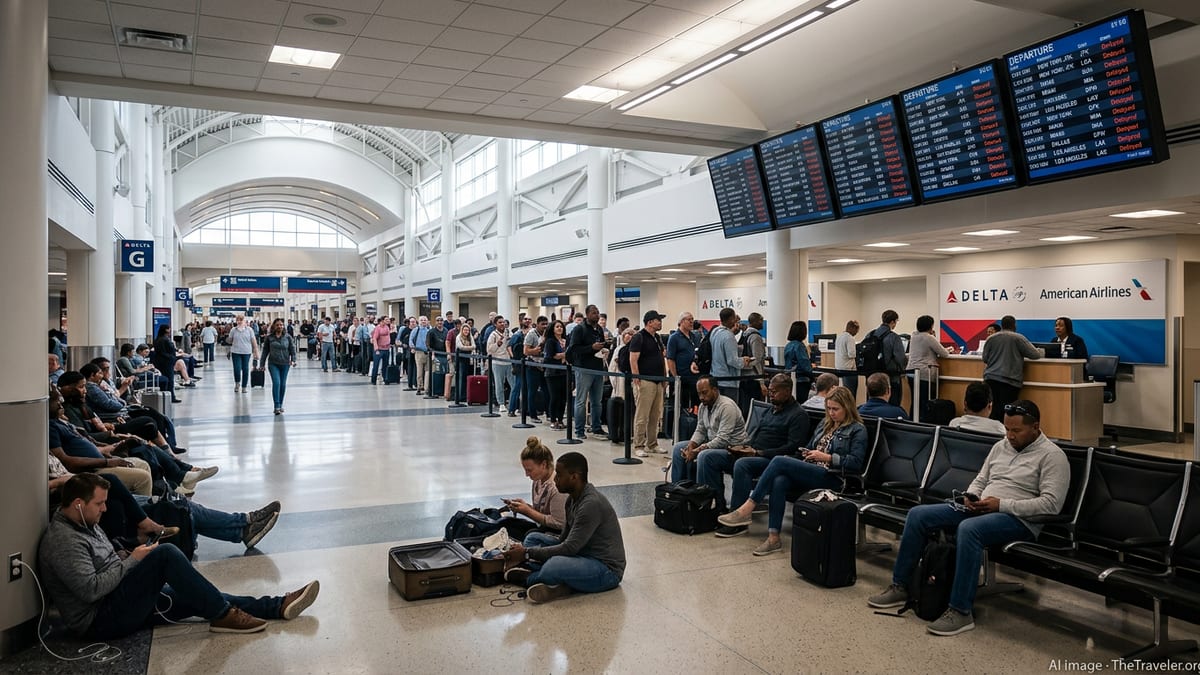
Travelers moving through Hartsfield-Jackson Atlanta International Airport on July 1 faced mounting frustration as 198 flights were delayed and four were canceled, disrupting operations for Delta Air Lines, Southwest Airlines, American Airlines, United Airlines, Spirit Airlines, Frontier Airlines, Alaska Airlines, and other carriers across busy domestic and international routes.
Get the latest news straight to your inbox!
Disruptions Ripple Across Major U.S. and International Routes
The disruption at Atlanta, one of the world’s busiest hubs, affected a dense web of connections across the United States and abroad. Publicly available tracking data and industry reports indicate that flights to and from major cities including New York, Los Angeles, Orlando, Chicago, Dallas, Miami, London, Paris, Amsterdam, and Tokyo experienced pushbacks, extended ground holds, and revised departure times.
While the number of outright cancellations remained relatively low compared with recent large scale events at the airport, the volume of delays proved particularly challenging for passengers with onward connections. Even short schedule changes in Atlanta can quickly cascade across airline networks, magnifying the disruption for travelers starting their journey elsewhere.
Operational adjustments varied by airline. Delta Air Lines, which maintains its largest hub at Hartsfield-Jackson, saw delays across both domestic and transcontinental services. Other major carriers, including Southwest, American, United, Spirit, Frontier, and Alaska Airlines, also reported schedule changes, affecting point to point and connecting itineraries that rely on Atlanta as a key transfer point.
Some departures continued to operate close to schedule, limiting the scale of cancellations. However, shifting aircraft and crews to keep core routes moving meant that certain secondary services encountered longer ground times and last minute retimings as carriers sought to stabilize the day’s operations.
Peak Summer Travel Magnifies the Impact on Passengers
The timing of the disruption coincided with one of the busiest periods of the summer travel season, amplifying crowding at check in, security, and gate areas. In recent years, Hartsfield-Jackson has consistently handled more than 100 million passengers annually, and published forecasts ahead of the early July holiday window have emphasized the likelihood of record seasonal demand.
With aircraft operating near capacity on many routes, rebooking options for delayed and canceled flights were limited. Travelers attempting to switch to earlier or alternative departures frequently encountered long standby lists or were offered connections that extended total journey times by many hours. Families and leisure travelers heading to vacation destinations such as Orlando, Miami, and major West Coast cities were especially vulnerable to missed hotel check ins and lost time at their destinations.
Reports from passenger advocacy platforms and travel forums describe travelers enduring extended waits at gates, customer service counters, and baggage carousels as they sought updated information. Crowded concourses and full seating areas encouraged many to spread out along terminal walkways while they monitored airline apps and airport displays for the latest schedule changes.
For international travelers connecting through Atlanta to Europe and Asia, delays on inbound legs created uncertainty about clearing immigration, rechecking bags where required, and reaching long haul departures in time. In some cases, missed connections meant unscheduled overnight stays and additional expenses that passengers will later seek to address through airline policies or travel insurance.
Operational Strain in a Historically Congested Hub
Hartsfield-Jackson’s scale and role as a central transfer point mean that even moderate operational constraints can have substantial knock on effects. Aviation analyses and past traffic reports have noted that the airport’s high volume of daily movements leaves limited slack in the system, particularly during peak hours when runways, taxiways, and gate assignments operate near capacity.
Recent months have seen several notable days of heavy disruption at Atlanta tied to severe weather, regional air traffic control flow restrictions, and strong seasonal demand. Data from flight tracking and passenger rights organizations earlier in 2026 recorded days with several hundred delays and scores of cancellations when storm systems or staffing pressures affected operations. Against that backdrop, today’s figure of 198 delays and four cancellations represents a smaller but still significant disturbance in an already stretched environment.
Airlines operating from Atlanta have been working against constraints that include summer thunderstorms, tight crew scheduling, and ongoing infrastructure projects across parts of the national airspace system. When arrival streams into the airport are slowed or temporarily restricted, aircraft may be held on the ground at origin airports or placed into holding patterns, compressing departure banks and crowding gate areas when traffic resumes.
Industry data on on time performance show that, while many flights through Atlanta operate punctually on most days, specific routes can experience substantial variability during busy periods. A mix of weather sensitivity, connecting bank structures, and limited turnaround windows means that relatively minor schedule perturbations can quickly evolve into multi hour delays.
How Airlines and the Airport Are Managing Irregular Operations
On a day with nearly 200 delays, carriers typically activate established irregular operations procedures to manage passenger flows and aircraft positioning. Publicly available information indicates that airlines at Atlanta relied heavily on digital communication, using mobile apps, text messages, and email updates to notify travelers of gate changes, revised departure times, and rebooking options.
Hartsfield-Jackson itself operates a tarmac delay contingency framework and broader irregular operations plans intended to coordinate with airlines during prolonged disruptions. These plans, outlined in publicly posted documents, detail how the airport works to maintain access to gates, ensure that passengers on board aircraft are able to deplane within regulated time limits, and prioritize essential services such as restrooms, water, and basic refreshments during extended waits.
For passengers already in the terminal, airlines offered same day flight changes where inventory allowed and encouraged use of self service channels for simple rebookings. However, heavily booked flights limited the availability of immediate alternatives, especially for groups traveling together or for those bound for smaller markets with infrequent service.
Ground handling teams, from ramp crews to baggage operations, contended with fluctuating pushback times as departure slots shifted. This dynamic environment can slow the normal rhythm of loading, fueling, and catering, further contributing to knock on delays when turning aircraft for subsequent flights in the schedule.
Advice for Travelers Facing Disruptions in Atlanta
Consumer advocates and travel analysts consistently recommend that passengers flying through major hubs like Atlanta build extra time into itineraries, especially during summer and holiday periods. Today’s pattern of widespread delays but relatively few cancellations underscores how easily tightly timed connections can be lost when even short schedule changes occur at a central transfer point.
Passengers are generally advised to monitor their flights using airline apps and airport information displays before leaving for the airport and throughout their journey. When disruptions emerge, those able to respond quickly through digital channels often secure rebooking options before gate and call center queues grow longer.
Travel experts also highlight the importance of understanding airline policies and federal consumer protections related to significant delays and cancellations. While compensation rules vary depending on the cause of the disruption and a traveler’s ticket type, clear records of delay durations, receipts for additional expenses, and documentation from airlines can be important when submitting claims or seeking partial reimbursement.
For now, operations at Hartsfield-Jackson are continuing, but the day’s 198 delayed flights and four cancellations illustrate how sensitive one of the world’s busiest airports remains to any operational strain. As peak summer travel unfolds, passengers connecting through Atlanta are likely to keep a close eye on conditions at the hub long before they reach the departure gate.