


More news on this day
Thailand is positioning itself as a leading festive-season destination, unveiling a suite of new and expanded celebrations that combine luxury hospitality, cultural heritage and large-scale winter festivals aimed at high-spending international travelers.
Get the latest news straight to your inbox!
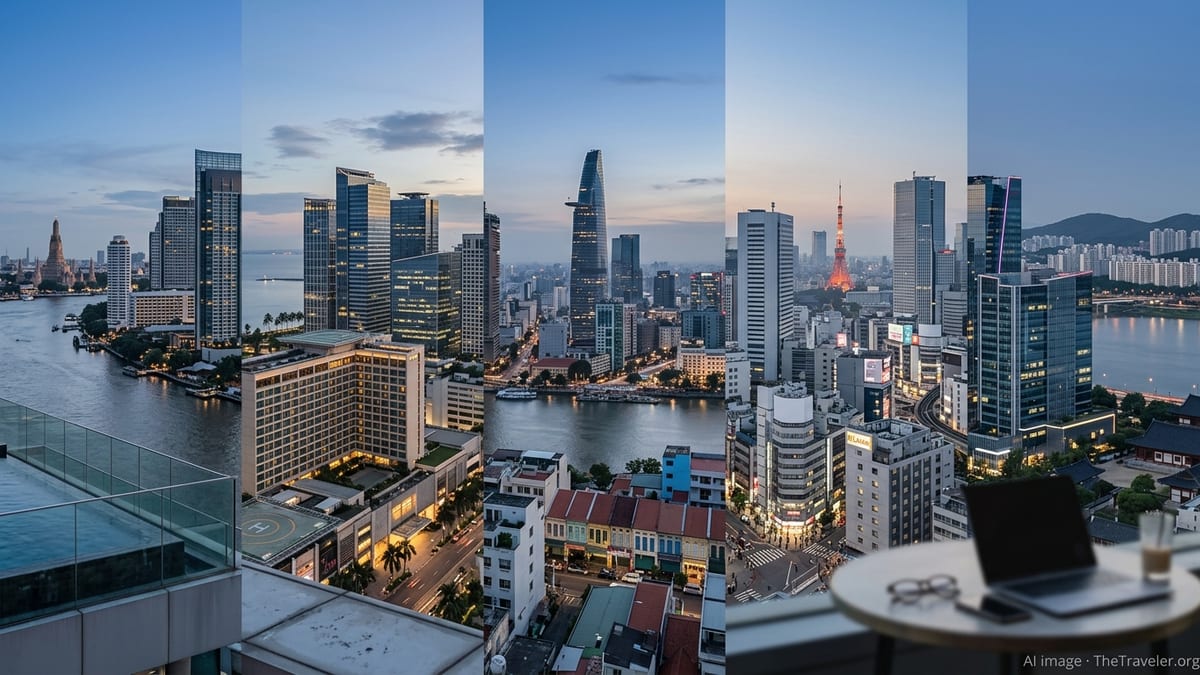
Winter Festivals Campaign Targets Year-End Tourism Surge
Publicly available information shows that Thailand is building on its Thailand Winter Festivals initiative to anchor the November to January travel period with coordinated events nationwide. The campaign brings together countdown parties, cultural performances, sports events, food festivals and light installations, with activities concentrated in Bangkok and major regional cities.
The 2024 to 2025 edition of the program is framed around themed experiences designed to showcase Thailand’s soft power, from traditional temple fairs and floral displays to contemporary music and gastronomy. Reports indicate that authorities and private partners are using the initiative to support a broader tourism recovery strategy, with a focus on long-haul visitors seeking warm-weather festive escapes.
In Bangkok, the winter calendar includes riverfront light shows, riverside dining and open-air markets that extend late into the night. Beyond the capital, provincial cities are promoting their own countdowns and cultural festivals, encouraging travelers to pair city breaks with visits to secondary destinations.
Travel analysts note that this coordinated festive programming is increasingly being marketed together with premium accommodation and curated experiences, positioning Thailand as a rival to traditional winter hotspots in Europe and the Middle East.
Luxury Hotels Elevate Christmas and New Year Experiences
Luxury hotels and resorts across Thailand are aligning their festive-season offerings with this national push, unveiling limited-time experiences that combine gourmet dining, wellness and entertainment. In Bangkok, leading five-star properties have released festive brochures detailing Christmas tree lightings, children’s choirs, ballet performances and multi-course holiday menus served in Michelin-influenced restaurants and sky-high rooftop venues.
One central Bangkok property, according to its published festive program, opens the season in late November with a lobby tree-lighting ceremony accompanied by live music and afternoon tea, before moving into a schedule of Christmas Eve gala dinners, Christmas Day brunches and New Year’s Eve countdown parties featuring DJs and Champagne bars. Similar schedules are emerging at riverfront resorts, where guests can watch fireworks and illuminations over the Chao Phraya River from terraces and private balconies.
On Phuket and other island destinations, resort announcements highlight beachfront Christmas barbecues, themed pool parties, spa packages and yacht excursions timed around Christmas and New Year. Some properties promote “festive weeks” that bundle accommodation with seasonal dining, kids’ activities and late check-out, appealing to families and couples seeking an all-in-one holiday in tropical surroundings.
Industry observers suggest that these high-touch hotel experiences are aimed at travelers who might otherwise choose European Christmas markets or Alpine ski resorts, offering instead a combination of warm temperatures, tailored service and access to Thailand’s cultural festivals.
Light, River and Urban Spectacles Shape Bangkok’s Festive Identity
Bangkok’s role in the new festive positioning is underscored by a growing number of urban illumination projects and river-centric celebrations that run through the cool season. Public descriptions of programs such as Vijit Chao Phraya indicate that night-time light-and-sound shows, projection mapping on historic buildings and decorated cruise boats are transforming the Chao Phraya corridor into a centerpiece of the city’s holiday offering.
Major shopping districts are also competing to deliver elaborate Christmas and New Year displays, with city-center plazas unveiling themed installations, music stages and open-air bars that stay busy well into the night. These venues serve as focal points for countdown celebrations, fireworks and live performances, drawing both local residents and international visitors.
Travel media coverage notes that many visitors now design their Bangkok stay around these spectacles, timing arrivals to coincide with key nights in the countdown period. The effect is to create a continuous festive atmosphere across the city from late November through early January, supported by extended opening hours, seasonal menus and special promotions at hotels, restaurants and rooftop bars.
This urban focus is complemented by quieter experiences along canals and in historic neighborhoods, where smaller-scale light installations and cultural performances provide an alternative to the city’s flagship countdowns and shopping-center events.
Culture-Focused Festivals Add Depth Beyond Christmas
Thailand’s festive-season strategy also emphasizes cultural depth, extending beyond imported Christmas iconography to highlight traditional celebrations that take place in the cooler months. Events linked to the Thailand Winter Festivals theme include cultural fairs, regional parades and temple-based activities that foreground local identity and craftsmanship.
Loy Krathong, the festival of floating offerings, remains a key draw, particularly in destinations such as Sukhothai and Chiang Mai, where travelers can witness candle-lit rivers, lantern releases and traditional performances. While this celebration falls earlier in the cool season, promotion around it feeds into broader messaging that Thailand offers a sequence of “magical nights” from November through the New Year period.
Looking into the following months, the country is also promoting Songkran, the Thai New Year festival, as a major cultural highlight. Official festival information shows that recent editions have expanded over multiple weeks, with parades, cultural shows and designated water-play zones across major cities. Although Songkran occurs in April, tourism messaging increasingly positions it within a wider calendar of Thai cultural experiences that travelers might plan around when considering winter or early-year visits.
Tour operators are responding by designing itineraries that link beachfront relaxation with attendance at key festivals, offering travelers the chance to combine luxury stays with immersive cultural encounters.
Regional Destinations Promote Boutique and Nature-Based Festivities
Outside the major cities and resort islands, smaller destinations are using the festive period to showcase nature, local produce and community traditions. Tourism promotion materials point to winter flower fields, sunflower farms and highland viewpoints in the north and northeast, where cooler temperatures and clear skies appeal to domestic travelers and international visitors seeking outdoor experiences.
In Nakhon Ratchasima, for example, seasonal attractions such as floral farms and themed countryside events are marketed as day trips or weekend escapes from Bangkok. In other provinces, Christmas-themed markets, local countdowns and cultural parades offer a more low-key alternative to the capital’s large-scale spectacles.
Some boutique hotels and eco-resorts are introducing small-group festive packages that emphasize wellness, farm-to-table dining and community-based tourism. Guests might join village craft workshops, visit night markets or take part in merit-making at local temples, while still enjoying seasonal touches such as holiday brunches or New Year’s Eve campfires.
This regional diversification broadens Thailand’s festive appeal beyond well-known hubs, aligning with efforts to disperse tourism benefits and invite repeat visitors to explore new corners of the country during the peak holiday period.