


More news on this day
Oman is recording some of its strongest tourism figures on record, with a sharp rise in visitors from India turning the sultanate into one of the Gulf’s most closely watched growth stories.
Get the latest news straight to your inbox!
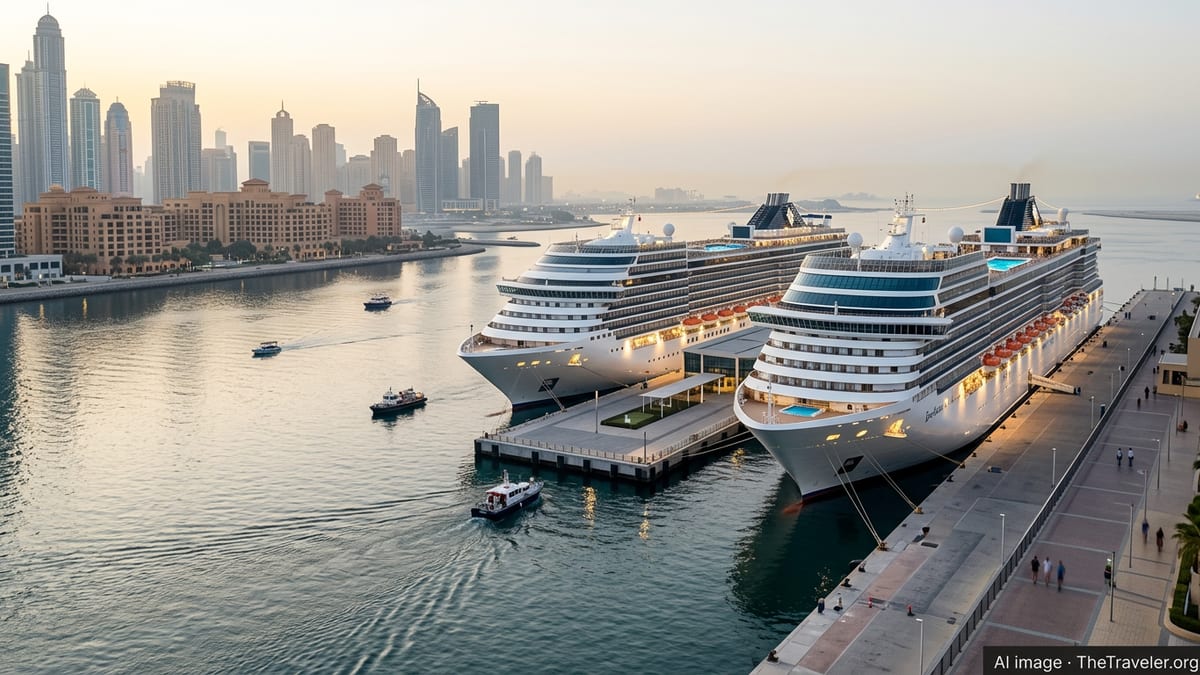
Indian Arrivals Hit New Highs in Oman
Publicly available data from Oman’s National Centre for Statistics and Information indicates that visitor arrivals from India have climbed sharply over the past two years, making India one of the country’s largest and fastest-growing source markets. Monthly statistics through late 2024 show a steady rise in Indian nationals entering Oman for tourism, consolidating gains made after international travel fully reopened.
Figures highlighted in recent Oman News Agency coverage point to more than 620,000 Indian visitors in 2024, out of approximately 3.9 million total international arrivals. That marks a significant step up from pre-pandemic patterns, when regional Gulf Cooperation Council countries dominated inbound tourism and longer-haul markets were slower to scale. The expanding Indian share now illustrates how outbound demand from the subcontinent is reshaping Oman’s visitor mix.
The pace of growth is especially notable when set against Oman’s broader tourism performance. Overall arrivals have been rebounding in line with targets set under Oman Vision 2040, but Indian travel has grown even faster than the aggregate trend, turning the market into a bellwether for the country’s efforts to diversify away from hydrocarbons.
Industry analysts following the Gulf region describe Oman’s current trajectory as a tourism inflection point, in which niche appeal based on culture and landscapes is being backed by data showing sustained volume from a key origin market. Indian tourists are increasingly visible across Muscat’s historic districts, coastal resorts, and Khareef-season escapes in the south.
Oman Vision 2040 Puts Tourism at the Center
Oman has been positioning tourism as a core pillar of its long-term economic strategy, and the surge in Indian visitors is arriving at a crucial time. The national tourism framework, aligned with Oman Vision 2040, aims to transform the country into a premium global destination and has set an ambition of attracting around 11 million tourists annually by the end of the next decade.
Government strategy documents emphasize that tourism is expected to play a larger role in non-oil growth and job creation, particularly for young Omanis. To achieve this, planners have focused on diversifying source markets, improving connectivity, and promoting experiences that balance development with environmental and cultural preservation. India has been identified as one of the priority markets where rising middle-class incomes and a taste for short-haul international breaks can translate into consistent demand.
Recent communications from Oman’s Ministry of Heritage and Tourism highlight a shift toward market-specific campaigns, roadshows, and partnerships that can convert awareness into bookings. India has been prominent in this outreach, with promotional events held across major cities and secondary hubs to showcase Oman’s beaches, mountains, desert landscapes, and heritage sites to Indian travelers and travel intermediaries.
The interplay between strategic planning and market response is becoming clearer as visitor numbers from India climb. Observers note that the current wave of arrivals is not solely the result of pent-up post-pandemic demand but also reflects the early impact of a decade-long restructuring of Oman’s tourism offer, supported by new infrastructure and policy incentives.
Air Connectivity and Affordable Access Fuel Indian Demand
One of the biggest enablers of Oman’s tourism boom from India is air connectivity. Published information from Oman’s foreign ministry and aviation updates show that the sultanate has worked with regional and Indian carriers to expand direct flight options linking cities such as Mumbai, Delhi, Bengaluru, Chennai, Kochi, Hyderabad, and others with Muscat and Salalah.
Both full-service and low-cost airlines have entered or expanded on Oman–India routes in the past few years, offering higher seat capacity and more competitive fares. This has opened the door to a broader cross-section of Indian travelers, including weekend city-break visitors, family groups, and budget-conscious holidaymakers who previously looked mainly to destinations like Dubai, Abu Dhabi, or Southeast Asia.
In addition to scheduled services, seasonal capacity during peak Indian travel periods has made Oman more accessible for festival breaks and school vacations. For many Indian travelers, Muscat is now only a few hours away, with flight timings that make it realistic to plan short three- or four-night itineraries focused on beaches, mountain drives, or desert camps.
Travel trade commentary in Indian media suggests that tour operators are increasingly bundling Oman into multi-destination Gulf itineraries or promoting it as a stand-alone escape that feels quieter and more nature-focused than some of the region’s larger city hubs. Competitive airfare, combined with shorter visa-processing times compared with longer-haul options, is further amplifying demand.
New Products From Muscat to Dhofar Target Experience Seekers
Alongside connectivity, Oman has been steadily upgrading and diversifying its tourism products, in ways that align closely with emerging preferences among Indian travelers. Ministry statistics up to March 2024 show growth in hotel inventory, with new rooms coming online across Muscat, coastal enclaves, and interior mountain ranges. International brands have been joined by locally rooted boutique properties and desert camps that emphasize authenticity and low-impact development.
One of the standout stories in recent seasons has been Dhofar’s Khareef, the monsoon period that transforms the southern governorate into a cool, green landscape. Official figures published for the 2024 Khareef season show around 1.05 million visitors between late June and late September, a 9 percent increase on the previous year. Indian travelers are a visible and growing part of that crowd, drawn by cooler temperatures at a time when much of the region is in peak summer heat.
Elsewhere, coastal regions near Muscat and along the Gulf of Oman and Arabian Sea are being promoted for dolphin watching, snorkeling, and sailing, while the Hajar Mountains and interior deserts cater to hiking, canyoning, and star-gazing. These experiences resonate strongly with younger Indian travelers looking for outdoor and adventure elements alongside cultural sightseeing.
Tourism development plans also highlight investments in heritage preservation and visitor infrastructure around forts, archaeological sites, and traditional souqs. This focus on culture-rich itineraries offers Indian tourists a contrast to more shopping- and entertainment-heavy Gulf destinations, and contributes to repeat visitation as travelers explore beyond Muscat on subsequent trips.
Balancing Rapid Growth With Sustainability and Regional Competition
The speed of Oman’s tourism expansion, particularly from India, is taking place in a competitive regional landscape, where neighboring Gulf countries are also racing to capture a share of outbound Indian travel. Analysts point out that Oman’s comparative advantage lies in its mix of authenticity, landscapes, and relative tranquility, but that sustaining growth will depend on careful management of infrastructure, pricing, and visitor experience.
Oman’s tourism strategy and broader Vision 2040 framework repeatedly reference sustainability, with emphasis on protecting fragile coastal and desert ecosystems, managing water use, and preserving cultural heritage. As Indian arrivals climb, destinations such as Salalah, Jabal Akhdar, and popular wadis are likely to face pressure during peak seasons, testing the country’s capacity to balance volume with conservation.
Industry commentary suggests that Oman is increasingly weaving sustainability messages into its promotional pitch in India, underscoring low-density resorts, responsible wildlife encounters, and community-based tourism initiatives. For a growing segment of Indian travelers who prioritize environmental and cultural sensitivity, this positioning may become a differentiator compared with more heavily urbanized Gulf destinations.
For now, the data shows that India’s rising appetite for overseas travel is aligning neatly with Oman’s push to reinvent its economy and global image through tourism. If current trends continue, the partnership between one of the world’s fastest-growing outbound markets and one of the Gulf’s most ambitious tourism reformers could reshape travel flows across the Arabian Peninsula in the years ahead.