


More news on this day
Africa’s high-end tourism landscape is shifting in 2026, with Botswana and Rwanda emerging from relative obscurity to claim a place alongside the world’s most sought after luxury travel destinations.
Get the latest news straight to your inbox!
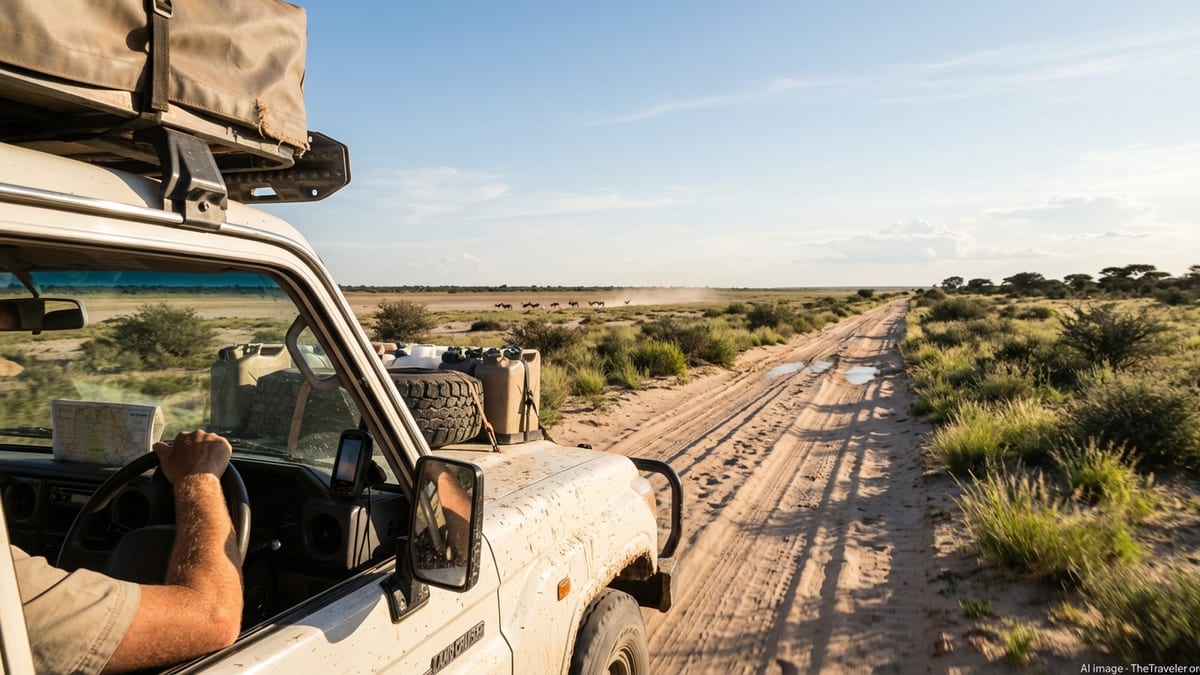
Africa’s Luxury Map Shifts Toward High Value, Low Volume
Industry reports on ultra high net worth travel indicate that Africa is one of the fastest growing frontiers for luxury tourism, driven by demand for privacy, rare wildlife encounters and meaningful cultural immersion. Analysts tracking affluent travel spending point to a broader move away from crowded global hotspots toward remote landscapes where exclusivity and conservation are part of the proposition.
Travel trend briefings for 2025 and 2026 highlight that high spending travelers increasingly prioritize destination choice, storytelling and access to unrepeatable experiences over pure opulence. Research on affluent consumers suggests that authenticity, sustainability and personalised service now define luxury more than marble lobbies or formal dress codes. Botswana’s low impact safari model and Rwanda’s tightly managed gorilla tourism fit squarely into this recalibrated definition.
According to published coverage of African travel trends, slow travel and multi country itineraries are also on the rise, with travelers combining several remote stops into one extended journey. In this context, Botswana and Rwanda are being positioned as anchor destinations in wider sub Saharan circuits, frequently paired with South Africa, Kenya or the Indian Ocean but increasingly marketed as standalone, headline experiences for repeat visitors to the continent.
Visa and card network data on outbound spending from affluent markets further shows that wealthy travelers are gravitating toward destinations that balance safety, accessibility and distinctive natural assets. For both Botswana and Rwanda, robust aviation links, compact tourism zones and a concentration of high end properties make it easier for luxury tour designers to build seamless itineraries that feel exclusive yet logistically straightforward.
Botswana’s Safari Model Draws Record 2026 Bookings
In Southern Africa, Botswana has long enjoyed a reputation among safari specialists as a connoisseur’s choice, but 2026 is shaping up as a breakout year for broader recognition. A recent luxury tour operator trends report notes that Botswana already has more bookings confirmed for 2026 than it processed for the whole of 2025, signalling surging demand at the very top end of the market.
The country’s high value, low density approach limits visitor numbers while keeping nightly rates at a premium, particularly in the Okavango Delta and Linyanti concessions. This strategy translates into vast private reserves, low vehicle numbers at wildlife sightings and a strong emphasis on conservation levies built into the cost of a stay. Industry commentary describes Botswana as a destination where the scarcity of beds is part of the allure for travelers who want privacy and pristine ecosystems rather than mass market infrastructure.
Ultra luxury lodges in the delta have continued to refine that proposition with more villa style suites, private plunge pools and curated activities such as mokoro excursions, photographic hides and helicopter scenic flights. At the same time, specialist safari forums and operator updates indicate that better climatic controls and upgraded facilities are gradually spreading from flagship properties to a wider range of high end camps, addressing comfort concerns in hotter months without sacrificing a light environmental footprint.
Looking ahead, new investments are poised to deepen Botswana’s appeal to repeat luxury guests. Lodge groups specialising in conservation driven hospitality have announced projects in remote delta concessions for 2026 and beyond, opening up areas that have seen little commercial tourism. For elite travelers, the prospect of being among the first to access newly opened wilderness zones is becoming a powerful drawcard in trip planning.
Rwanda Steps Onto the Global Luxury Hospitality Stage
In East Africa, Rwanda is experiencing a parallel transformation from niche gorilla trekking hub to fully fledged luxury tourism destination. Government strategy papers and investor presentations highlight a deliberate focus on high end, sustainable tourism built around flagship national parks and a compact but growing portfolio of upscale accommodation.
Recent hotel industry coverage notes that global hospitality brands are moving into the Rwandan market with ambitious plans. A multi property agreement announced in 2026 will see an international luxury group develop a series of five star resorts across key national parks, including Volcanoes, Nyungwe and Akagera, creating an integrated high end circuit that links primate encounters, savannah safaris and montane rainforest.
Kigali itself is also being repositioned as a destination rather than a mere transit point. The Pinnacle Kigali, which opened in early 2026 and has since been recognized by international travel lists and joined a leading global collection of small luxury hotels, illustrates this shift. The intimate hilltop retreat is designed to encourage travelers to linger in the capital, pairing spa and culinary experiences with views of the surrounding mountains and easy access to the city’s cultural attractions.
On the wildlife side, Rwanda continues to refine its premium gorilla trekking model in Volcanoes National Park, with a limited number of daily permits and a tightly controlled visitor experience. Specialist safari platforms and national tourism updates stress the link between high permit fees, conservation funding and community projects, a narrative that resonates strongly with travelers seeking impact alongside indulgence. New developments such as an experiential center near the park, combining conservation education with visitor services, show how infrastructure is being built around this high end positioning.
Conservation, Conscious Luxury and Elite Demand
The rise of Botswana and Rwanda also reflects a broader evolution in what affluent travelers expect from luxury travel in Africa. Studies on conscious luxury and safari tourism published in recent years describe a shift toward itineraries that balance comfort with measurable conservation outcomes and community benefits. Rather than conventional five star excess, guests increasingly look for evidence that their spending is helping to protect landscapes and wildlife.
Both countries have become case studies in this model. Botswana’s privately managed concessions channel significant revenue into anti poaching operations, habitat management and local employment, while keeping visitor densities low. Rwanda’s focus on mountain gorillas and forest conservation has turned high permit income into funding for protected areas and surrounding communities. Travel industry analysis frequently cites these frameworks as reasons why high daily costs remain acceptable to a segment of the market that equates higher pricing with greater impact.
Affluent travel surveys show that this segment is also seeking greater personalization and privacy, with a preference for owner managed lodges, small key count retreats and exclusive use villas. Botswana’s remote camps and Rwanda’s boutique lodges naturally align with these preferences, often offering dedicated guides, customized activity planning and discreet, small scale service. Operators building 2026 and 2027 itineraries increasingly foreground these attributes in their marketing to ultra high net worth clients.
At the same time, luxury travelers are looking for itineraries that feel unhurried and immersive. Reports on Africa travel trends point to an increase in longer stays in fewer locations, multi generational trips and journeys that blend safari, wellness, gastronomy and culture. Botswana’s river and delta systems, and Rwanda’s combination of city life, highland lakes and national parks, give travel designers a rich canvas for these slower, more layered trips.
Hidden Destinations Move From Niche to New Status Symbols
The momentum building around Botswana and Rwanda suggests that so called hidden destinations are quickly becoming new status markers for elite travelers. Travel trade coverage for 2026 notes that many high net worth clients have already visited traditional luxury staples in Europe, North America and Southeast Asia. They are now seeking itineraries that feel more pioneering, even if the on the ground product is highly polished.
Within Africa, this is translating into renewed emphasis on destinations that have historically operated on high spend, low volume models. Botswana, once regarded as the preserve of safari purists, is being framed as a benchmark for crowd free wildlife viewing and wilderness immersion. Rwanda, previously overshadowed by larger neighbors, is emerging as a compact, design forward hub that pairs one of the world’s most coveted wildlife encounters with a maturing city and resort scene.
Industry observers expect the spotlight on both countries to intensify as more properties open, air links expand and word of mouth spreads among affluent traveler networks. Yet the prevailing message from tourism planners and private operators is that growth will continue to favor value over volume. That stance is likely to keep Botswana and Rwanda in the luxury spotlight well beyond 2026, as travelers search for destinations that deliver rarity, responsibility and refined comfort in equal measure.