


More news on this day
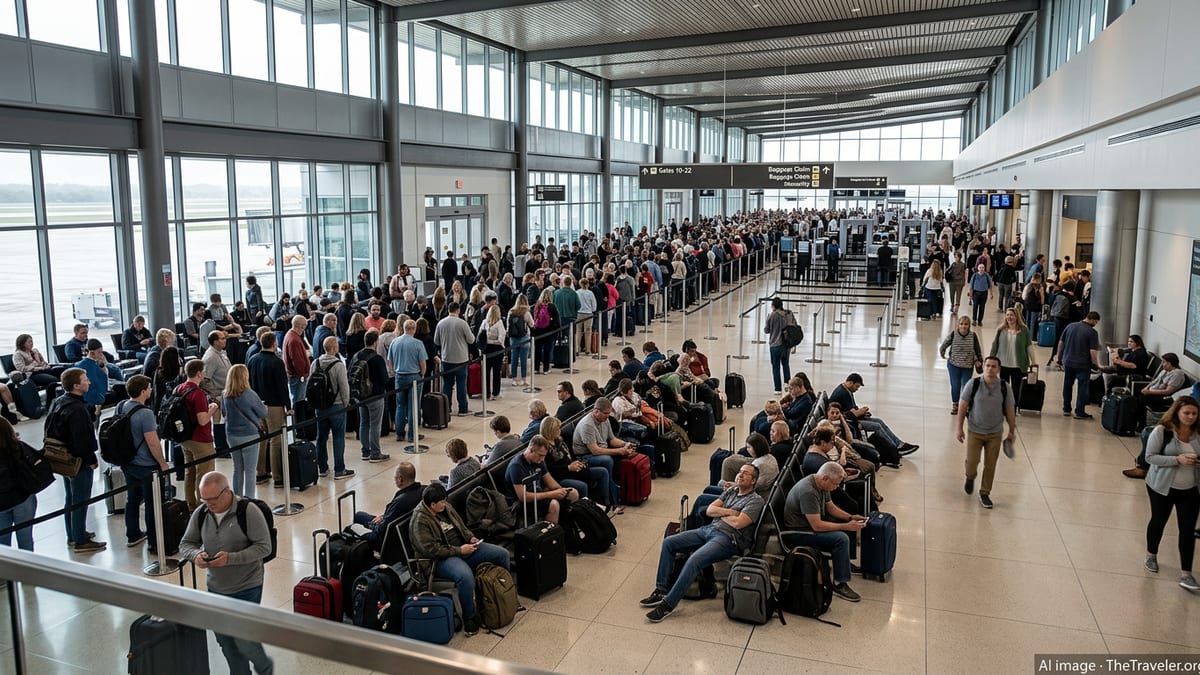
Passengers traveling through Austin-Bergstrom International Airport faced a wave of schedule disruptions as one flight cancellation and 55 delays affected routes on Southwest, American and other carriers, snarling connections to Frankfurt, Vancouver, Toronto and major North American hubs.
Get the latest news straight to your inbox!
Disruptions Mount Across a Busy Summer Travel Day
Publicly available operational data for early July 2026 shows Austin-Bergstrom International Airport experiencing a concentrated pocket of irregular operations, with one confirmed flight cancellation and dozens of delays across multiple airlines. The pattern coincides with peak outbound and inbound traffic for summer holidays, amplifying the impact for leisure travelers and long-haul itineraries that depend on tight connections.
Reports indicate that at least 55 flights were delayed across the day, affecting departures and arrivals on Southwest Airlines, American Airlines and several domestic and international partners. While a single cancellation may appear minor on paper, industry tracking platforms describe how even modest disruption at a mid-continent airport can trigger missed connections and overnight rebookings across airline networks.
According to published coverage summarizing the day’s performance, Austin’s disruption was significant enough to draw attention because it coincided with busy transatlantic and transborder flows. Passengers heading to and from major gateways in Europe and Canada, including Frankfurt, Vancouver and Toronto, encountered knock-on effects when their feeder legs through Austin left late or were rescheduled.
Available Federal Aviation Administration information for Austin around the same period referenced manageable airborne delays, generally below 15 minutes, suggesting that the wider pattern was less about major airspace shutdowns and more about crew, aircraft positioning and airline-specific scheduling challenges.
Southwest and American Among Hardest Hit
Southwest Airlines and American Airlines, which together handle a substantial share of Austin-Bergstrom’s passenger traffic, featured prominently in the disruption profile. Historical airport planning documents and passenger share reports show both carriers as core operators at the airport, with Southwest often leading in overall volume and American acting as a crucial connector to its Dallas Fort Worth hub and beyond.
On the day in question, tracking tools logged multiple Southwest departures from Austin going out behind schedule, including short- and medium-haul flights that serve as building blocks for onward connections. Even when individual delays were measured in tens of minutes, the cumulative effect reduced connection buffers at downline hubs, leaving passengers with little room to absorb further schedule slippage.
American Airlines faced similar issues on links that feed into its transcontinental and international network. Delays on early-morning and mid-day departures from Austin to Dallas Fort Worth and other connecting points increased the likelihood that travelers would miss long-haul departures or arrive too late for scheduled onward flights to Canada and Europe.
Industry analyses of recent months have highlighted how both carriers, like many in North America, continue to operate tight summer schedules with limited slack in aircraft and crew availability. In such an environment, one extended turn at the gate or minor ground hold can cascade into a series of rolling delays throughout the day.
Long-Haul and Transborder Links to Frankfurt, Vancouver and Toronto Affected
Austin’s growing role as a launch point for international travel meant that the day’s issues were felt well beyond Texas. City and airport route guides list nonstop or one-stop connectivity from Austin to major overseas gateways, including Frankfurt in Germany and Canadian hubs such as Vancouver and Toronto. Many of these itineraries rely on carefully timed domestic legs to funnel passengers into evening and overnight transatlantic and transborder departures.
Published route information shows that Frankfurt is served from Austin through a mix of nonstop and connecting options, often via alliance partners and code-share arrangements. When delays develop on the Austin side, passengers risk arriving late to European-bound flights, forcing rebookings to later departures or alternate routings via other hubs.
Similarly, Vancouver and Toronto function as key entry points for travelers heading to Western and Eastern Canada. Delayed departures from Austin to U.S. hubs, or to Canadian cities themselves, can disrupt carefully choreographed itineraries, particularly for travelers holding separate tickets or minimum connection times booked through online travel agencies.
Travel industry coverage of the Austin disruptions notes that some passengers bound for Canada and Europe faced overnight stays or extended daytime layovers as airlines worked to reposition aircraft and secure seats on later flights. For visitors with tightly planned vacations, missed hotel nights and rescheduled tours quickly added to the stress and financial cost of the disruption.
Knock-On Impacts for Domestic Hubs and Regional Travelers
While international itineraries grabbed much of the attention, domestic travelers also felt the strain. Austin’s nonstop map for 2026 includes a dense network of flights to major U.S. hubs such as Dallas Fort Worth, Denver, Chicago and coastal cities, along with a growing slate of regional destinations across Texas and the broader South and Midwest.
When a flight to a primary hub leaves late, the effect can multiply along the network. Passengers destined for secondary cities via single-stop itineraries may be forced into much later flights or rerouted through entirely different hubs. In some cases, they may arrive in smaller markets without late-night ground transportation, extending travel time well beyond initial expectations.
Local traveler anecdotes shared in online forums over recent months describe early-morning crowds at Austin-Bergstrom and note that even relatively modest delays on Southwest and American departures can lead to crowded gate areas and competition for standby seats on subsequent flights. The latest day of elevated delays appears to have followed a similar pattern, with impacted travelers seeking rebooking options at service counters and via airline apps.
For regional business travelers, same-day round trips became riskier as departure delays consumed time buffers that might otherwise absorb traffic or meeting overruns. Some travelers reported adjusting to earlier outbound flights or avoiding tight evening returns from Austin when schedules show elevated delay patterns.
What Travelers Through Austin Should Expect Next
The operational snapshot at Austin-Bergstrom illustrates how even a small number of cancellations, combined with a larger pool of delayed flights, can meaningfully disrupt a busy travel day. With airlines running packed summer schedules and aircraft utilization remaining high, similar episodes are possible as the season continues.
Public guidance from aviation agencies and consumer advocates consistently emphasizes the importance of checking flight status frequently on days when delays are building, particularly before leaving for the airport. Travelers connecting through Austin to long-haul flights toward Frankfurt or major Canadian hubs are often advised to allow generous connection windows or to favor itineraries with backup frequencies later in the day.
Airport planning documents and recent passenger statistics suggest that Austin-Bergstrom will continue to expand its international reach, adding more links into European and Canadian networks in the coming years. That growth is expected to provide more choice for travelers but also adds complexity during irregular operations, since more long-haul itineraries depend on punctual feeder flights through the airport.
For now, the latest cluster of delays and a single cancellation serves as a reminder that even well-established routes can be vulnerable to day-of-operations challenges. Passengers flying through Austin, especially on Southwest and American, may benefit from extra contingency planning, flexible booking options and close monitoring of schedules as the peak summer season progresses.