


More news on this day
Quiet, battery powered aircraft are still years from widespread commercial service, but early projects in Europe, North America and Asia are already hinting at a profound shift in how and where people travel for leisure.
Get the latest news straight to your inbox!
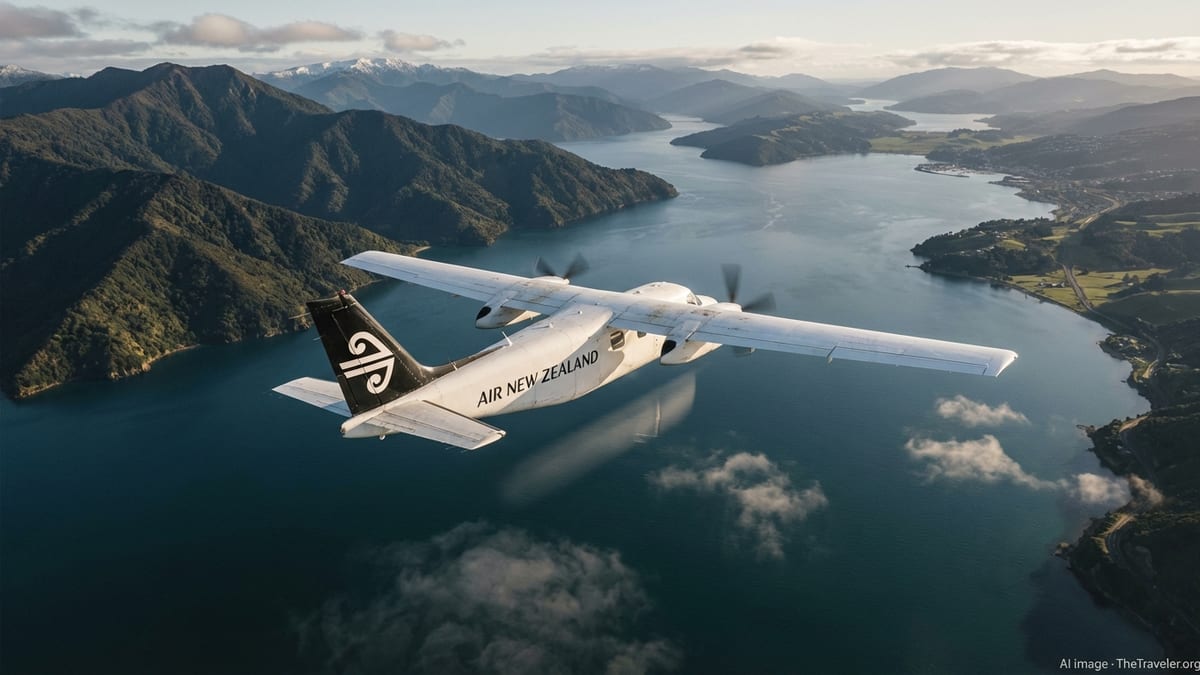
From Climate Fix to Tourism Game Changer
Electric aviation is largely framed as a climate solution, promising lower emissions and quieter operations on short routes. Yet behind the engineering milestones, a parallel story is emerging in tourism. As small battery and hybrid aircraft move from prototypes to early orders, regional airlines, island operators and tourism agencies are beginning to rethink which destinations can be connected affordably and how often flights can run.
The new generation of aircraft is designed primarily for sectors of a few hundred kilometers, where conventional jets are inefficient and turboprops struggle to make money on thin passenger loads. All electric designs such as Eviation’s Alice and hybrid concepts like VoltAero’s Cassio family and Heart Aerospace’s ES series are targeting exactly this space, with nine to thirty seat cabins optimised for regional hops. Publicly available data from these manufacturers points to substantially lower direct operating costs per hour than comparable fossil fuel aircraft, creating room to experiment with routes that today are considered marginal.
Electric propulsion also changes the sensory experience of flying. Ground tests and demonstration flights reported by companies and aviation outlets describe far lower noise levels on take off and landing compared with conventional turboprops. For tourism dependent communities sensitive to noise and environmental impacts, that combination of quieter operations and reduced local emissions could make more frequent services politically and socially acceptable.
Rewiring Regional Networks and “Micro Hubs”
The potential impact on regional route maps is significant. Eviation’s Alice, a fully electric nine seat commuter aircraft, has accumulated letters of intent from regional operators in Europe, Australia and North America that focus on short point to point services rather than feeding passengers into major hubs. Public information on these agreements highlights plans for routes linking secondary cities and remote tourist areas where demand is steady but relatively small, such as coastal communities and national park gateways.
Hybrid electric projects are pitching a similar vision. VoltAero’s Cassio family, combining battery power with an internal combustion engine used as a range extender, is marketed for sectors between 100 and 1,000 kilometers. European research documentation on the Cassio programme describes the aircraft as a tool to access more communities in less time, particularly on short haul routes where current services are limited or non existent. For tourism boards focused on dispersing visitors beyond saturated hotspots, that flexibility could prove attractive.
Heart Aerospace, based in Sweden, is pursuing a 30 seat hybrid electric regional aircraft aimed at replacing small turboprops on short routes across the Nordic region and beyond. Investor and airline materials around the project emphasize the opportunity to restore or add frequencies on regional sectors that have become uneconomical with conventional fuel and crew costs. In practice, that could mean more direct links from smaller cities to nearby nature destinations instead of forcing travelers through major hubs and long ground transfers.
Island Hopping, Eco Lodges and Nature Corridors
It is in island and remote tourism that the outlines of an electric aviation tourism revolution are perhaps most visible. Several early Alice orders have been associated with plans to serve sparsely populated regions and iconic natural sites while promoting lower carbon travel. Publicly available announcements from operators in Australia’s Northern Territory, for example, frame all electric aircraft as a way to link visitors arriving on long haul flights with attractions such as desert landscapes and national parks, while lowering operating costs on thin routes.
Hybrid electric projects are exploring similar opportunities in archipelagos and coastal regions. VoltAero’s promotional material and regional partnerships in Southeast Asia highlight tourism and medical transport as key applications for its Cassio aircraft. Bali and surrounding islands are frequently cited as examples where short over water sectors, often under one hour, could be flown largely on battery power, cutting fuel burn and noise near resorts and marine protected areas.
Industry analysts note that these aircraft align closely with the needs of eco lodges, wilderness resorts and adventure operators seeking to reduce their environmental footprint without sacrificing accessibility. An all electric or hybrid aircraft flying multiple short legs per day could connect a hub airport with several small airstrips serving hiking areas, diving spots or safari concessions, with costs spread across tourism packages rather than regular scheduled fares alone.
Cost, Frequency and the Short Break Market
One of the less discussed aspects of electric aviation is how operating economics could reshape trip patterns. Battery powered propulsion systems are mechanically simpler than conventional engines, and publicly available projections from manufacturers suggest lower maintenance and energy costs per flight hour on short routes. While purchase prices for new aircraft remain high, some regional operators and start ups argue that total lifecycle costs and per seat economics will allow more frequent flights with smaller aircraft.
If those projections hold, tourism driven routes could see a shift toward higher frequency, lower capacity services tailored to weekend and short break markets. Instead of a single turboprop rotation each day between a city and a nearby wine region or coastal town, operators might run multiple electric flights with nine to thirty seats, timed around hotel check in, event schedules and local excursions. That model could also support more flexible itineraries, with visitors combining several regional stops in one trip without relying on car rentals or long bus rides.
Lower perceived environmental impact may further encourage this trend. Surveys in multiple markets suggest that travelers concerned about aviation emissions are more willing to book short flights if they are clearly labeled as low or zero emission operations. Electric routes marketed as part of rail and public transport packages could tap into this demand, particularly in Europe and parts of Asia where high speed rail already dominates trunk corridors, leaving aviation to cover the last stretch to remote attractions.
Infrastructure, Certification and the Road Ahead
For now, the tourism potential of electric aviation remains mostly theoretical. Several leading projects are still in the testing and certification phase, and regulators in the United States, Europe and elsewhere are working through new standards for electric propulsion, battery safety and hybrid systems. Industry observers caution that timelines for commercial entry into service have already slipped for some aircraft and may shift again as technical challenges emerge.
Airport and energy infrastructure is another constraint. Even small regional aircraft require substantial power for fast charging between rotations, and many rural airfields currently lack robust grid connections. Hybrid models such as Cassio, which can rely on liquid fuel when necessary, may serve as a bridge technology while energy networks catch up. Tourism dependent regions hoping to benefit from electric aviation are beginning to factor charging and grid upgrades into broader sustainability and destination management plans.
Despite these hurdles, the direction of travel appears clear. With multiple manufacturers securing airline partners, investor backing and government support, battery and hybrid aircraft are moving beyond the prototype stage. For tourism, their arrival could quietly redraw the map of what counts as a reachable destination, turning today’s fringe routes into everyday options and inviting travelers to think differently about distance, access and the environmental cost of discovery.