


More news on this day
Australia has begun easing its stringent travel warning for key Gulf transit hubs, a shift that is expected to restore confidence in flying via the Middle East and deliver a timely boost to major regional airlines ahead of the northern summer peak.
Get the latest news straight to your inbox!
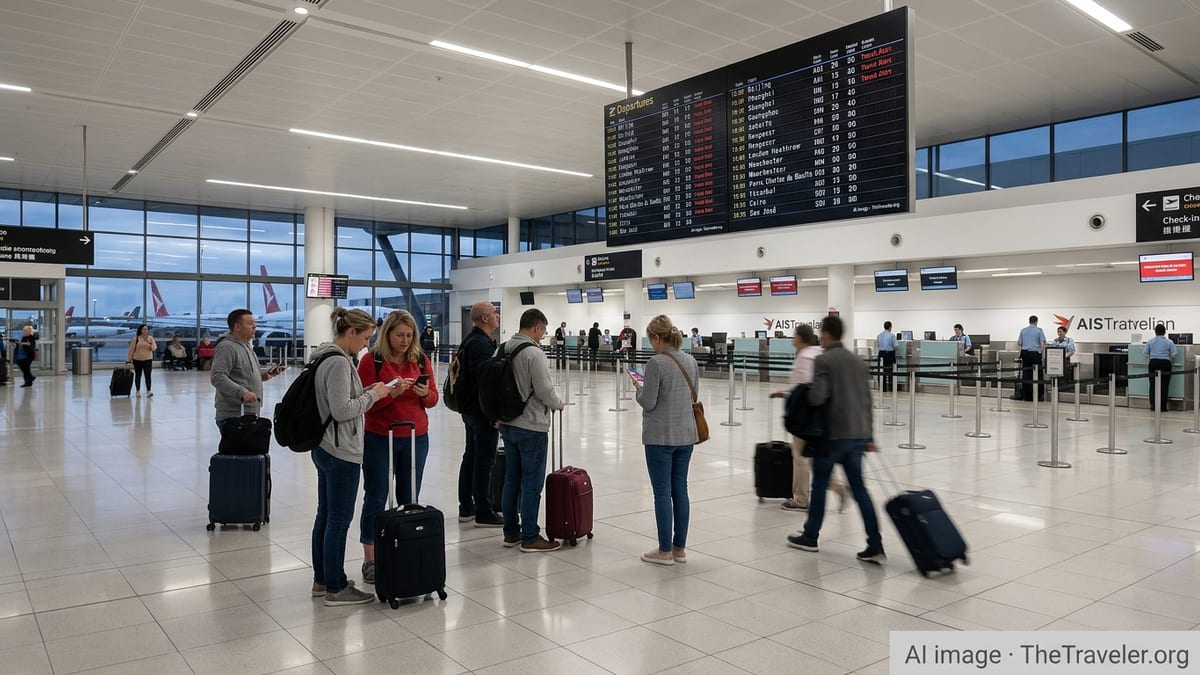
Canberra’s Pivot on Gulf Safety Advice
Publicly available updates to Australia’s official travel advisories indicate a gradual move away from the blanket “do not travel” guidance that had, until recently, applied to several Gulf states and their airports. While some conflict-affected areas of the wider Middle East remain under the highest warning levels, the language around major transit hubs in the United Arab Emirates, Qatar and Bahrain has started to differentiate between direct conflict zones and high-traffic international airports used primarily for connections.
This marks a notable shift from earlier in the year, when changes to advice for the region led to many Australians being urged to avoid transiting through the Gulf altogether. At that time, insurers and airlines referenced the elevated warning levels when limiting coverage or giving passengers additional flexibility to reroute away from Dubai, Doha and Abu Dhabi.
The recalibration reflects a view, evident in recent government and industry briefings, that while the broader security backdrop in the Middle East remains serious, the principal Gulf hubs are operating with tightened but stable aviation security. The updated wording is being interpreted by travel agents and airline partners as an attempt to balance risk awareness with the practical reality that hundreds of thousands of Australians rely on these airports to reach Europe, Africa and parts of Asia.
Industry observers note that Australia’s position had been more conservative than that of many other governments, drawing criticism from tourism bodies and aviation analysts who argued that the original settings were out of step with conditions on the ground in the Gulf.
Middle Eastern Carriers Poised for Traffic Rebound
The easing in tone around Gulf travel is widely expected to support a recovery in traffic for key Middle Eastern airlines on Australia routes. Carriers such as Emirates, Qatar Airways and Etihad rely heavily on Australian-origin passengers connecting through their hubs to Europe and beyond, and had seen booking demand soften after the highest-level warnings were introduced.
Recent schedules published by industry trackers show that Gulf-based airlines have largely restored their long-haul networks, even as some European and Asian competitors continue to limit flights into the region. Analysts report that demand through Dubai, Doha and Abu Dhabi has remained resilient in core markets, but that Australian travellers have been comparatively slower to return, partly due to the previous wording of Canberra’s advice and its flow-on effects for travel insurance.
Travel industry briefings now point to a likely uptick in bookings as agents gain confidence to once again recommend one-stop itineraries via the Gulf to Europe and North Africa. With northern summer approaching, the timing is significant for airlines that depend on Australian leisure travellers during the June to August peak period.
Some independent travel advisories still emphasise the possibility of sudden schedule changes if regional tensions flare, but note that Middle Eastern carriers have demonstrated the ability to reroute around sensitive airspace while keeping long-haul services operating.
Implications for Qantas and Competing Routes to Europe
Australia’s adjustment of its Gulf travel settings is also likely to reshape the competitive landscape for flights between Australia and Europe. During the period of stricter warnings and heightened concern about transiting conflict-affected corridors, many Australian travellers shifted toward Qantas-operated services that avoid the Gulf, including nonstop and one-stop routes via Singapore or Perth.
Airline updates and local media coverage in recent months have highlighted how this diversion of demand allowed Qantas and select partners in Asia to capture a larger share of the Australia–Europe market. Capacity on certain non-Gulf routes was increased, and airfares on remaining seats via alternative hubs rose sharply as travellers sought to sidestep the Middle East.
With the language around Gulf transit now softening, competition is expected to intensify. Middle Eastern carriers can again market themselves more confidently in Australia, particularly on price-sensitive itineraries where one-stop journeys via Dubai or Doha often undercut traditional Asia or Europe routings. Aviation analysts suggest that this may put downward pressure on fares for the coming peak season, especially in economy class.
However, Qantas and its partners are unlikely to relinquish gains without a contest. The period of disruption has allowed them to reinforce a message around familiarity, through-services operated by Australian or Asian carriers, and routings that bypass geopolitical flashpoints entirely. The result may be a more balanced mix of options for travellers, rather than a simple reversion to pre-crisis patterns.
Insurance, Risk Perception and Traveller Behaviour
Travel insurers have played a significant role in how Australians respond to government advisories, and any change to official language on the Gulf has immediate implications for coverage. Policy documents made available over recent months show that many insurers excluded benefits for trips that proceeded against “do not travel” advice, affecting not only those heading to conflict zones but also passengers simply changing planes at Gulf airports.
As warnings are recalibrated for core transit hubs, insurers are expected to revisit their wording, potentially restoring cover for medical, cancellation and delay claims on itineraries that include Gulf stopovers. Industry notices already emphasise that travellers should check the advisory level for each destination and transit point at the time of purchase and again before departure.
Risk perception among travellers, however, tends to lag official adjustments. Online forums and travel community discussions in recent months reveal ongoing concern about the possibility of airspace closures or missile activity affecting flights in and out of the Gulf, even as major airports continue to operate under enhanced safety protocols.
For now, travel agents report a cautious recovery, with many Australians opting for flexible tickets, avoiding tight connections and considering backup routing options. The more nuanced government language is seen as a prerequisite for recovery, but not a guarantee that traveller confidence will immediately return to earlier highs.
What the Shift Means for Australian Holidaymakers
For Australian holidaymakers planning trips to Europe, Africa or the Middle East later in 2026, the softer Gulf travel advice translates into a wider array of viable routing options. Fares via Gulf carriers have historically been among the most competitive on the market, and any renewed focus on Australia by these airlines could result in additional seat capacity and promotional sales.
Travel agencies and tour operators are already updating their guidance materials to reflect the more differentiated view of regional risk. Many continue to encourage clients to monitor official advisories closely, register their travel details where possible, and remain flexible in case routes or schedules adjust at short notice.
The broader aviation industry will be watching closely to see whether Australia’s recalibration spurs similar reviews by other cautious markets in the Asia-Pacific. A sustained rebound in Gulf transit traffic from Australia would signal that, despite recent shocks, the Middle East’s major hubs remain central to the architecture of global long-haul travel.
For now, the change in tone from Canberra is being read as a tentative but important vote of confidence in Gulf aviation, one that offers hope to airlines seeking stability and to Australian travellers eager for more choice on long-haul journeys.