


More news on this day
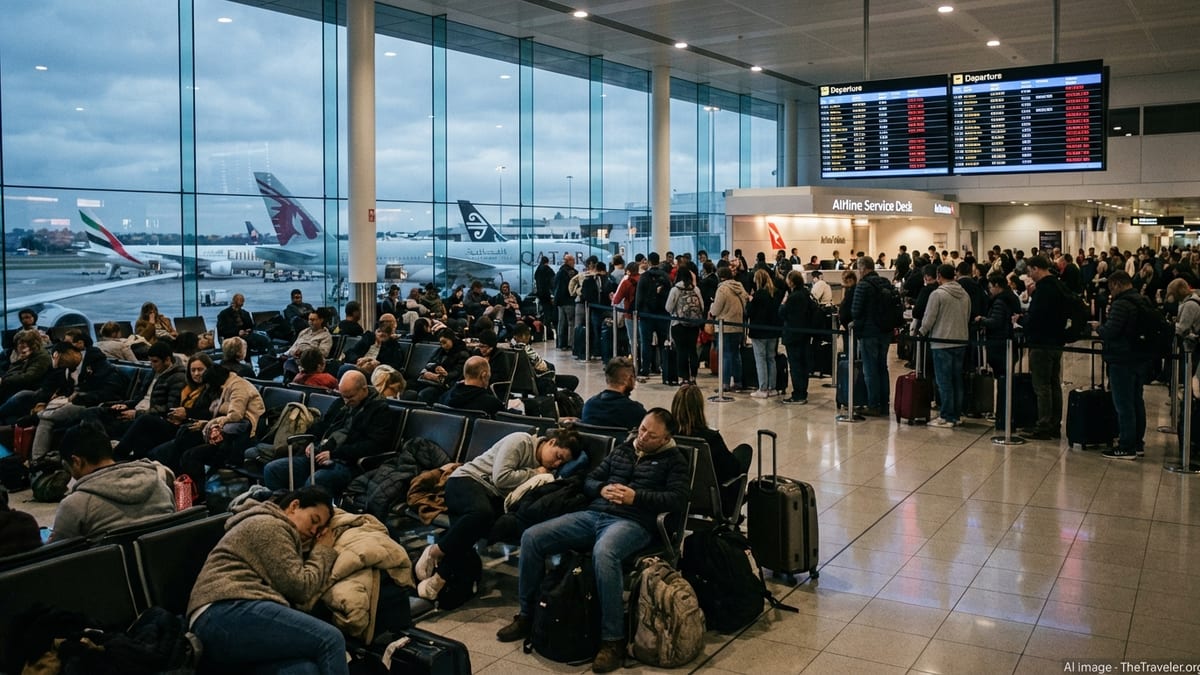
Air travellers across Australia and New Zealand are facing widespread disruption as at least 55 flights are reported cancelled and more than 500 delayed, affecting key routes through Adelaide, Melbourne, Auckland and Wellington and impacting carriers including Virgin Australia, Jetstar, Air New Zealand, Sounds Air and several smaller operators.
Get the latest news straight to your inbox!
Major Hubs Across the Tasman Experience Rolling Disruptions
Published flight-tracking data and airport boards on 12 June indicate that disruption is being felt most acutely at the region’s busiest hubs, with Adelaide, Melbourne, Auckland and Wellington all reporting elevated levels of cancellations and late departures. The pattern includes both domestic services and trans-Tasman links, compounding the impact for travellers with onward connections.
In Australia, Melbourne and Adelaide appear to be among the hardest hit, with multiple services between the two cities experiencing schedule changes and extended delays. Data compiled from live status feeds show a cluster of morning and mid-day departures pushed back significantly, while a smaller number of flights have been removed from the schedule entirely.
Across the Tasman, Auckland and Wellington are experiencing similar strain, particularly on short-haul domestic routes and trans-Tasman sectors linking New Zealand’s capital and largest city with Australia’s east coast. Publicly viewable arrivals and departures boards show a mix of cancellation notices and rolling delays, with knock-on effects expected to ripple into the evening peak.
While precise totals fluctuate through the day, aggregated tracking snapshots point to at least 55 cancellations and more than 500 delays across Australia and New Zealand, reflecting the scale of the operational challenge facing airlines and airports.
Virgin Australia, Jetstar, Air New Zealand and Sounds Air Among Affected Carriers
The disruption is spread across multiple airlines, with Virgin Australia, Jetstar and Air New Zealand featuring prominently in live tracking data on key domestic and trans-Tasman routes. Regional carrier Sounds Air, which operates a network of short hops within New Zealand, is also seeing adjustments to its scheduled services.
Jetstar’s operations on the busy Melbourne to Adelaide corridor illustrate how individual flights are being pushed off their original timings. Status pages show departures rescheduled well beyond their planned slots, mirroring a broader trend of late-running services on other trunk routes in the airline’s Australian network.
Air New Zealand’s domestic services, particularly those linking regional centres with Wellington and Auckland, are likewise subject to delays and occasional cancellations. These routes form critical connectors for travellers heading to international flights, meaning even short postponements can cascade into missed connections for passengers bound for Australia and beyond.
Virgin Australia’s flights between major Australian capitals and trans-Tasman destinations are also part of the broader pattern of disruption, although the airline’s exact share of cancellations and delays varies by time of day and airport. For smaller carriers such as Sounds Air, schedule adjustments on even a handful of sectors can have an outsized effect, given their tighter fleets and high reliance on aircraft rotations.
Possible Drivers: Weather, Congested Skies and Operational Pressures
While a single trigger has not been identified in publicly available information, aviation analysts typically point to a combination of adverse weather, air traffic control constraints and airline operational pressures when disruption spreads across multiple airports and carriers in the same region. Sudden storms, strong winds or low cloud can quickly reduce runway capacity at major hubs, forcing airlines to delay or cancel departures to keep traffic flowing safely.
Even when conditions improve, the time needed to reposition aircraft and crew often leads to ongoing delays well into subsequent waves of flights. High utilisation of aircraft fleets in both Australia and New Zealand leaves limited buffer when schedules begin to slip, particularly on popular city pairs such as Melbourne to Adelaide or Auckland to Wellington.
Operational pressures can also build around peak travel periods, with winter weather patterns, school holidays or major events increasing demand at the same time as crews and equipment are stretched. Industry observers note that the aviation sectors in both countries continue to balance strong passenger demand with the lingering effects of staff shortages and supply chain constraints for aircraft parts and maintenance.
When multiple factors converge, airlines may opt to cancel selected services outright to stabilise the rest of the day’s operation, a strategy that can improve overall reliability but leaves affected passengers in need of rebooking or refunds.
Impact on Travellers and What Passengers Can Expect
For passengers in Adelaide, Melbourne, Auckland, Wellington and other affected airports, the disruption translates into longer waits in terminals, missed connections and, in some cases, overnight stays. Queues at check in and customer service counters tend to lengthen as travellers seek alternative flights, while airport facilities such as lounges and food outlets come under additional pressure.
Published guidance from airlines and consumer bodies generally recommends that passengers monitor their flight status frequently on the day of travel, as departure and arrival times can change at short notice. Those with flexible tickets or who booked through agents may be able to switch to later flights or reroute via less congested hubs, while others may be offered credits or refunds in line with carrier policies.
Travellers on trans-Tasman journeys are particularly vulnerable to knock-on effects, as a delayed domestic leg can cause them to miss international departures in either direction. Some passengers may find themselves rebooked via alternative cities or facing extended layovers while airlines work through backlogs and await available seats.
Passenger advocates often remind travellers to keep receipts for meals, transport and accommodation in case they are eligible to claim reimbursement under airline policies or local consumer regulations, though entitlements can vary significantly depending on the cause of the disruption and the terms of the ticket.
Outlook for Operations in the Coming Days
Industry observers suggest that while the current spike in cancellations and delays is severe, operations can stabilise relatively quickly if weather and air traffic conditions improve and no further shocks occur. Once aircraft and crews are back in the right locations, on-time performance at major hubs such as Adelaide, Melbourne, Auckland and Wellington typically recovers over one or two scheduling cycles.
However, any new bout of adverse weather or technical issues could extend the disruption, particularly for smaller carriers with fewer spare aircraft and leaner staffing. Airlines may also keep some additional schedule padding or tactical cancellations in place in the near term as they work to reset operations and clear passenger backlogs.
For now, travellers planning to fly on Australian and New Zealand routes are being advised by consumer information outlets and aviation data providers to allow extra time at the airport, keep a close eye on flight status updates and be prepared for the possibility of last minute changes. With dozens of flights already cancelled and hundreds delayed, the episode underscores the continuing fragility of airline schedules in a region that remains heavily dependent on air links for both domestic and international travel.