


More news on this day
Australian travellers have been urged to avoid Riyadh’s King Khalid International Airport after a deadly missile strike on the Saudi capital’s main aviation hub killed at least 12 people and wounded more than 300, prompting major flight cancellations and fresh security warnings.
Get the latest news straight to your inbox!
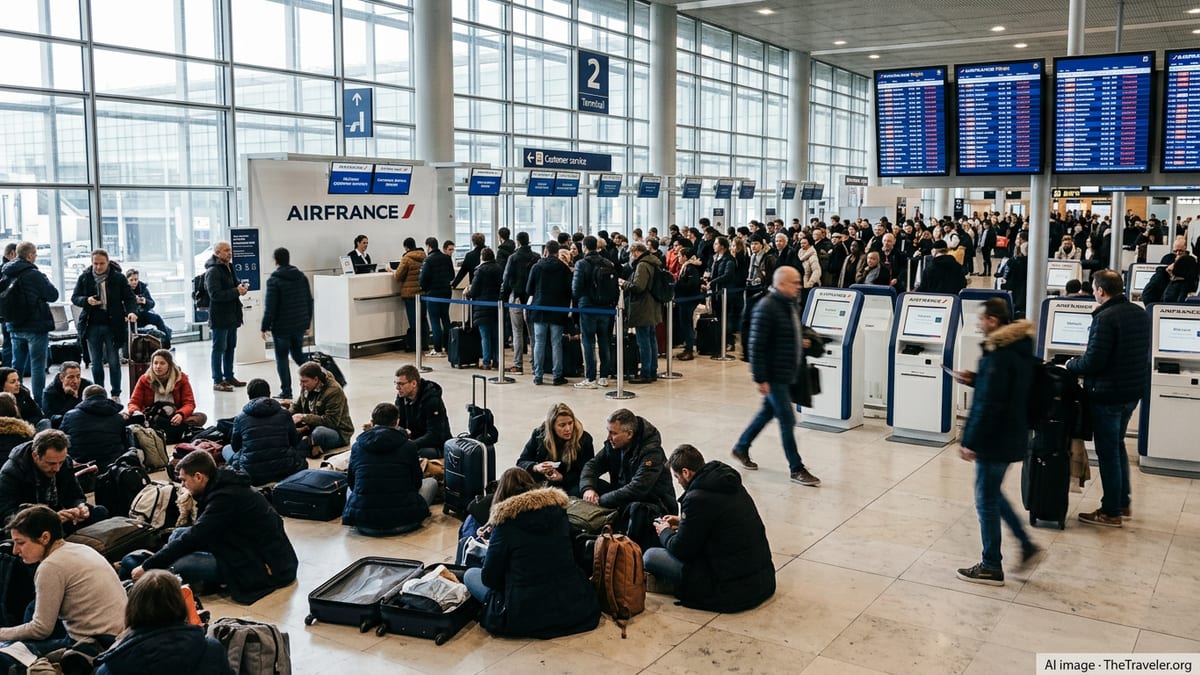
Missile strike hits key terminals at Riyadh hub
Publicly available information from Saudi aviation authorities and international media indicates that a ballistic missile struck the King Khalid International Airport complex in Riyadh on Saturday 10 October 2026, hitting the area serving Terminals 3 and 4, which are primarily used for domestic flights. The incident has been described in regional and international coverage as the deadliest attack in the kingdom for more than a decade.
Reports from aviation and conflict monitors state that the strike killed at least 12 people and injured more than 300 others, with some victims in critical condition. Images and video circulating on news outlets show smoke rising from the terminal area and a significant emergency response involving fire and medical services.
Coverage on Middle East security has attributed the attack to Yemen’s Houthi movement, which has previously claimed responsibility for targeting Saudi aviation facilities as part of the wider regional conflict. Analysts quoted across multiple outlets note that King Khalid International Airport lies several hundred kilometres from the Yemeni border, highlighting the range and precision of the weapons used.
The latest incident follows at least two earlier strikes on or near the Riyadh airport complex in the same week, including an attack that damaged an aircraft on the ground. Together, these events have raised serious concerns among airlines, aviation regulators and foreign governments about the risk to civilian travellers and overflying aircraft.
Australian travel advice escalates around Riyadh
Australian media reports on Sunday 11 October 2026 state that the federal government’s Smartraveller service has issued specific warnings related to King Khalid International Airport, advising Australians not to travel to the airport due to the recent missile attacks and ongoing risk of further strikes. The airport-specific caution comes on top of broader regional advice linked to the wider Middle East conflict.
According to recent public guidance and archived advisories, Saudi Arabia was already listed at “reconsider your need to travel” for Australians before the latest attack, reflecting a volatile security environment and the possibility of sudden escalation. The new messaging singles out the Riyadh airport as presenting an elevated risk, particularly given the lack of warning reported before the missile impact on 10 October.
Australian coverage summarising the updated advice notes that travellers with existing bookings transiting Riyadh are being urged to contact their airline or travel agent before departure from Australia. Travellers already in Saudi Arabia are being encouraged to monitor official advisories closely, stay in contact with their carrier and be prepared for flight changes at short notice.
Publicly available consular information also highlights that Australians needing urgent assistance in Saudi Arabia can reach consular support by phone, and that friends and family in Australia can use dedicated emergency contact numbers if they are concerned about loved ones affected by the attacks or subsequent disruptions.
Flights disrupted as airlines reassess Riyadh routes
Aviation tracking data cited in international coverage indicates that hundreds of flights were cancelled or delayed at King Khalid International Airport on the day of the missile strike, with further disruption continuing as authorities assess damage to infrastructure and runways and as investigations proceed. Some reports describe parts of the passenger terminal complex as being temporarily out of operation.
Major international outlets have reported that several foreign airlines, including carriers from Europe and Asia, have suspended or curtailed services to Riyadh in the immediate aftermath of the attacks. These suspensions are described as precautionary while operators review security assessments and insurance conditions related to operating in Saudi airspace.
For Australians, such route changes may affect popular multi-stop itineraries between Australia, the Middle East and Europe. Travel industry commentary in Australian media earlier this year already noted a trend of travellers reconsidering transits through conflict-affected hubs in favour of routings through Asia or via longer, non-stop services where available.
With the Riyadh airport now at the centre of a high-profile security incident, travel agents and airlines are expected to offer rebooking options for affected passengers, although specific fee waivers or refund policies differ between carriers. Travellers are being advised in public reporting to check conditions carefully before making changes and to keep receipts and documentation for any additional expenses.
Heightened security and airspace risk in the region
The missile strike on Riyadh is part of a wider pattern of attacks involving drones and ballistic missiles linked to the Iran war and the conflict in Yemen. Publicly available briefings by foreign governments and multilateral aviation bodies have warned for months that missile and drone activity in the region increases the risk of misidentification of civil aircraft, debris hazards and unplanned airspace closures.
Information from foreign travel advisories consulted on Sunday indicates that several governments now warn their citizens of an ongoing risk to aviation infrastructure in Saudi Arabia and neighbouring states. Some advisories specifically recommend avoiding King Khalid International Airport until local authorities declare the facility secure and operations stabilise.
Security analysts quoted in recent international reporting note that the Houthis have repeatedly framed attacks on Riyadh’s airport as retaliation for restrictions on flights to and from Sanaa in Yemen. This tit-for-tat approach has drawn criticism from aviation organisations, which state in public remarks that civilian airports and passengers must not be targeted in armed conflict.
The latest strike also comes after earlier incidents in 2026 in which ballistic missiles and drones were intercepted near Riyadh, including in the vicinity of the airport. While many previous launches were reportedly neutralised before impact, Saturday’s missile reached the terminal complex, underscoring the limitations of defensive systems and the residual risk to people on the ground.
What Australian travellers should consider now
For Australians with imminent travel plans involving Saudi Arabia, publicly available guidance suggests treating the situation as highly fluid. Those who have tickets routed through Riyadh are being encouraged through media reports and consular messaging to explore alternative transit points, such as routing through Asian or European hubs that are not directly affected by current missile activity.
Travel insurance policies vary in how they respond to terrorism and conflict-related disruptions. Consumer advice columns and insurance product disclosures indicate that some policies exclude cover once a formal “do not travel” or similar warning is in place, while others may cover trip changes triggered by new government advisories. Travellers are being urged to review their policy wording carefully and to seek written confirmation from insurers about what is and is not covered in light of the Riyadh attacks.
Australians already in Saudi Arabia, particularly in Riyadh, are being reminded through public information channels to stay alert to further developments, to avoid unnecessary time at major transport hubs, and to follow any security instructions issued on the ground. Where commercial flights remain available, those who feel uncomfortable staying in the country are being advised to consider departing while options still exist.
For prospective travellers considering future trips to the region, recent events at King Khalid International Airport are likely to reinforce a broader shift in Australian travel patterns away from high-risk transit points. Industry observers suggest that longer non-stop services and routings through lower-risk hubs may become more attractive, even if they are more expensive or involve longer travel times, as safety concerns rise to the top of trip planning priorities.