


More news on this day
Risk assessments affecting major Middle East airlines have shifted in recent weeks, with European regulators narrowing earlier warnings on Gulf airspace and some national governments easing travel advisories for Qatar and the United Arab Emirates.
Get the latest news straight to your inbox!
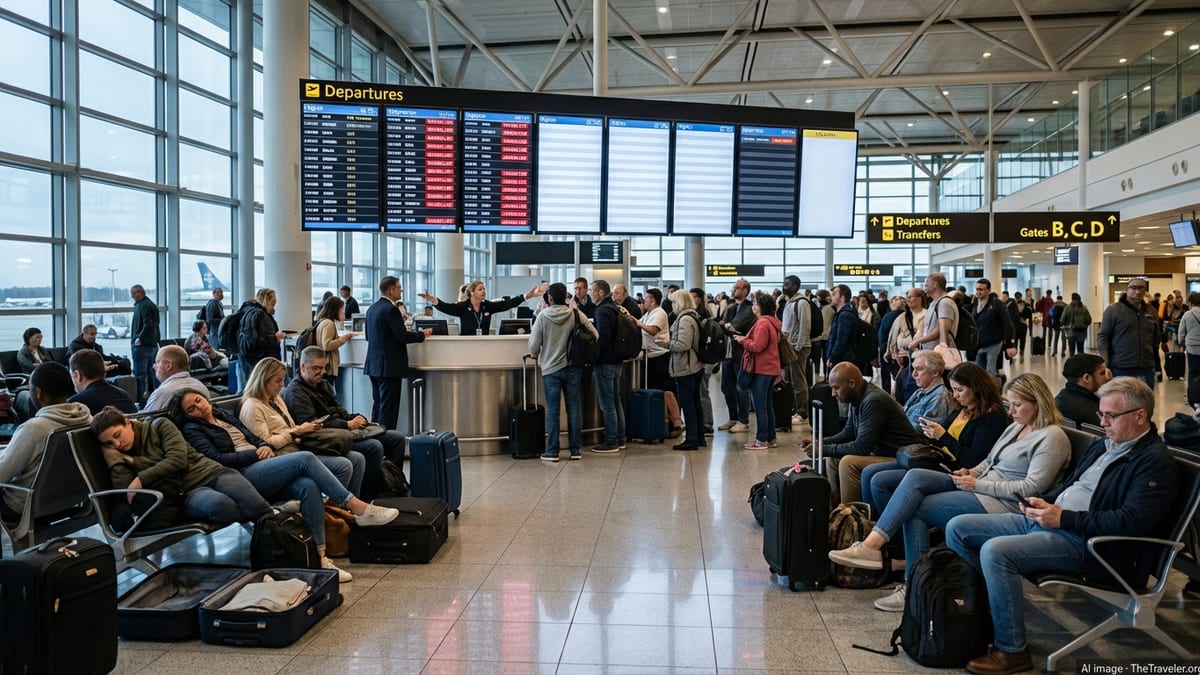
Regulators Recalculate Risk Over Gulf Airspace
Publicly available material from the European Union Aviation Safety Agency indicates that the regulator has recently scaled back part of its conflict zone guidance covering Gulf airspace, after a period of heightened caution that began earlier in 2026. Earlier bulletins advised airlines to avoid or severely limit operations across much of the Middle East and Gulf region due to the risk of military activity and missile strikes affecting civil aviation.
Reports from specialist aviation outlets describe a gradual recalibration rather than a complete removal of concern. High risk advisories remain in force for airspace over Iran, Iraq and Lebanon, while more recent documentation points to a medium level of risk across states such as Qatar and the United Arab Emirates. The shift reflects an assessment that immediate threats to civil air traffic have eased compared with the peak of hostilities earlier in the year.
For airlines such as Qatar Airways and Emirates, any relaxation of regional airspace warnings can have direct consequences for flight planning and costs. Detailed coverage of the revised guidance notes that broad restrictions had previously forced carriers to add fuel reserves, reroute flights around closed corridors and, in some cases, suspend services to particular destinations. Narrowing the affected zones allows more direct routings on some Europe to Gulf sectors and helps restore schedule reliability.
Analysts quoted in trade publications emphasize that these conflict zone advisories are dynamic instruments that can tighten again if the situation deteriorates. The underlying message for airlines and passengers is that although regulators perceive a lower level of immediate risk in certain parts of Gulf airspace, they are not treating the region as risk free, and operational decisions remain subject to frequent review.
National Travel Advisories Show Signs of Easing
Changes to aviation specific warnings have occurred alongside adjustments to broader travel advisories issued by national governments. Coverage from Australian and regional media in June 2026 highlighted a decision by Australia’s Department of Foreign Affairs and Trade to relax some of its Middle East guidance, moving countries including Qatar and the United Arab Emirates to advisory levels that still urge caution but fall short of the strictest categories.
Those reports described a context in which the security outlook remained fragile, yet conditions were considered stable enough to allow a partial step down from earlier settings. The language used continued to stress that the regional situation could worsen with little notice, but the recalibration signaled that governments were responding to a relative reduction in immediate threat.
Separately, updated material on consular information portals in North America continues to advise travelers about the possibility of drone or missile activity and sudden airspace restrictions affecting Qatar and neighboring states. These notices underline that while civil aviation oversight bodies regard Qatar’s safety framework as compliant with international standards, the external security environment still shapes risk evaluations and airline operations.
For prospective passengers on Qatar Airways, Emirates and other Gulf carriers, this patchwork of government advisories means that the overall risk picture is no longer uniform across the region. Travelers are being urged, through publicly available guidance, to check the latest advice for both their transit hubs and final destinations, particularly if itineraries involve multiple stops in the Middle East.
Capacity Recovery at Qatar Airways and Emirates
Industry data published in mid 2026 shows that large Gulf airlines have been steadily rebuilding capacity after the severe disruption that followed missile strikes and widespread airspace closures early in the year. Analytical firms tracking schedules and flight movements report that Qatar Airways, Emirates and other regional players have restored a substantial share of the services that were suspended during the most acute phase of the crisis.
Aviation business reports in recent months indicate that the networks of Qatar Airways and Emirates are operating at or close to ninety percent of pre conflict levels on many routes, particularly in long haul markets connecting Europe and Asia via Doha and Dubai. This recovery has occurred even as some non regional airlines have maintained a more cautious stance, with European and Asian carriers slower to resume direct services into certain hubs.
Trade publications attribute the resilience of these Middle East carriers to their role as essential connectors between continents and to the operational flexibility of hub and spoke models centered on Doha and Dubai. However, they also note that the lingering effects of earlier warnings, including extended routings and higher fuel burn, have weighed on operating costs and profitability across the sector.
Financial commentary from banks and aviation consultancies earlier in 2026 suggested that Middle East airlines faced a heightened risk of slipping into losses for the year as a result of the conflict related disruption. Even with the subsequent easing of some warnings, these assessments highlight that the revenue impact of schedule cuts and the expense of contingency measures will continue to affect results for several reporting periods.
What the Lowered Warnings Mean for Travelers
The recalibration of airspace and travel advisories carries practical implications for passengers considering itineraries with Qatar Airways, Emirates and other Gulf based airlines. With conflict zone bulletins narrowed and some government warnings downgraded, airlines have been able to restore more predictable schedules on several trunk routes linking Europe, Asia, Africa and Oceania through Doha and Dubai.
Publicly available ticketing data and airline announcements show that key long haul services operated by these carriers remain in strong demand as travelers seek one stop connections between regions. The easing of certain restrictions has reduced the need for lengthy diversions around closed airspace in parts of the Gulf, which in turn has trimmed block times on specific routes compared with the height of the crisis.
At the same time, advisory language from regulators and foreign ministries continues to stress the possibility of sudden changes. Passengers are being encouraged through official and industry channels to monitor flight status closely, allow generous connection times and maintain flexible booking options where possible. Insurance documents and fare conditions may still contain clauses related to travel in or over conflict affected regions, and travelers are advised to review these details before departure.
For many consumers, the lowered warnings will be interpreted as a sign that flying with Qatar Airways or Emirates through their main hubs is more manageable than it appeared earlier in 2026. However, the retained emphasis on caution in both aviation safety bulletins and national travel advisories illustrates that the regional security context remains a central factor in trip planning for the foreseeable future.
Ongoing Uncertainty Shapes Airline Strategy
Despite the recent easing in some warnings, coverage from aviation analysts portrays an industry that is still working through a period of significant uncertainty. Conflict zone advisories issued since 2020, following earlier incidents elsewhere, have encouraged regulators to act more conservatively when assessing risks to civil aircraft from military activity and missile systems.
Reports on Middle East capacity trends note that Gulf airlines have refined playbooks for dealing with sudden airspace closures, including the rapid use of alternative hubs and temporary basing arrangements in neighboring countries. For Qatar Airways and Emirates, the latest reductions in warning levels provide scope to consolidate operations back into their primary hubs, but the experience of 2026 has underlined the need for contingency planning.
Industry commentary suggests that airlines in the region are likely to continue investing in route flexibility, real time risk assessment and coordination with local aviation authorities to respond quickly if conditions change. Even with lower risk classifications in some airspace segments, military and political developments in the wider region could prompt fresh restrictions, with knock on effects for flight schedules and passenger confidence.
From a traveler’s perspective, this means that the lowered warnings for Middle East airlines and airspace represent an improvement in the short term environment rather than a definitive resolution of risk. The trajectory of regulatory guidance, government advisories and airline schedules over the coming months will provide a clearer picture of how durable the current easing proves to be.