

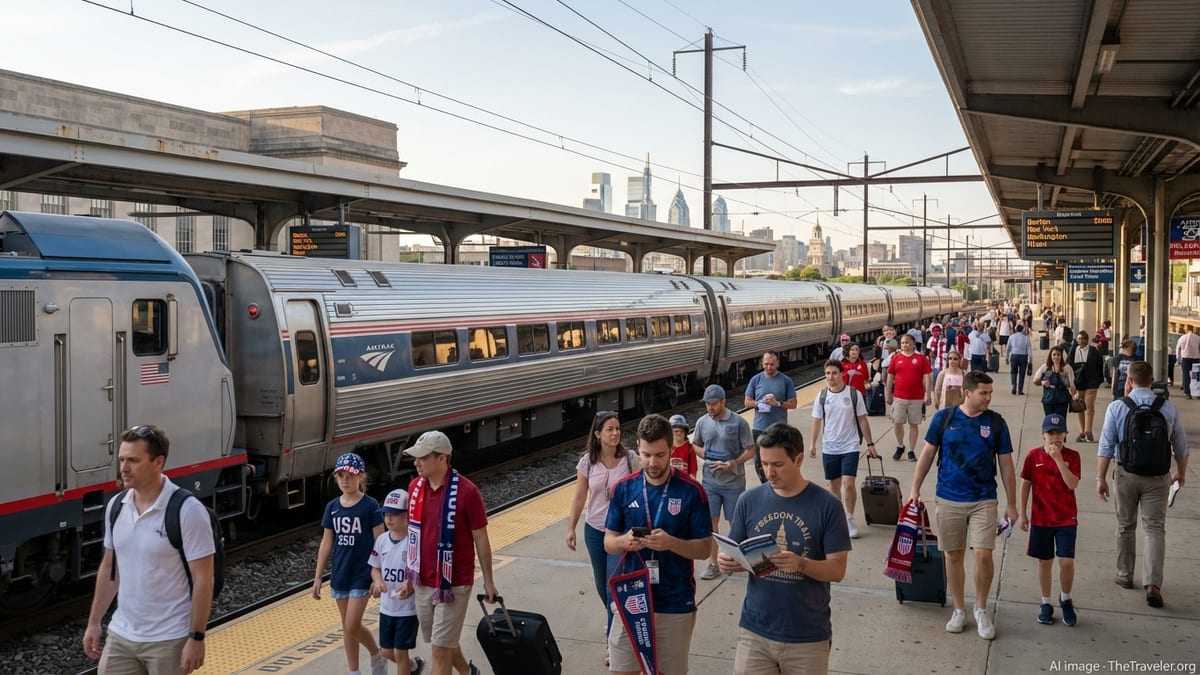
North Carolina Braces for Prolonged Heat as El Niño Builds
Forecasts point to persistent, above-normal warmth in North Carolina and much of the U.S. into early fall, as a strengthening El Niño tilts the odds.

I am writing observational travel analysis focused on how travel works beyond the surface.
Forecasts point to persistent, above-normal warmth in North Carolina and much of the U.S. into early fall, as a strengthening El Niño tilts the odds.

As Himalayan glaciers melt at accelerating rates, experts warn Nepal must rapidly replace smoky biomass heating with clean energy to protect mountains and people.
Royal Enfield is expanding organized rides, rentals and tour partnerships that turn classic backroads and rugged trails across the United States into bookable motorcycle adventures.
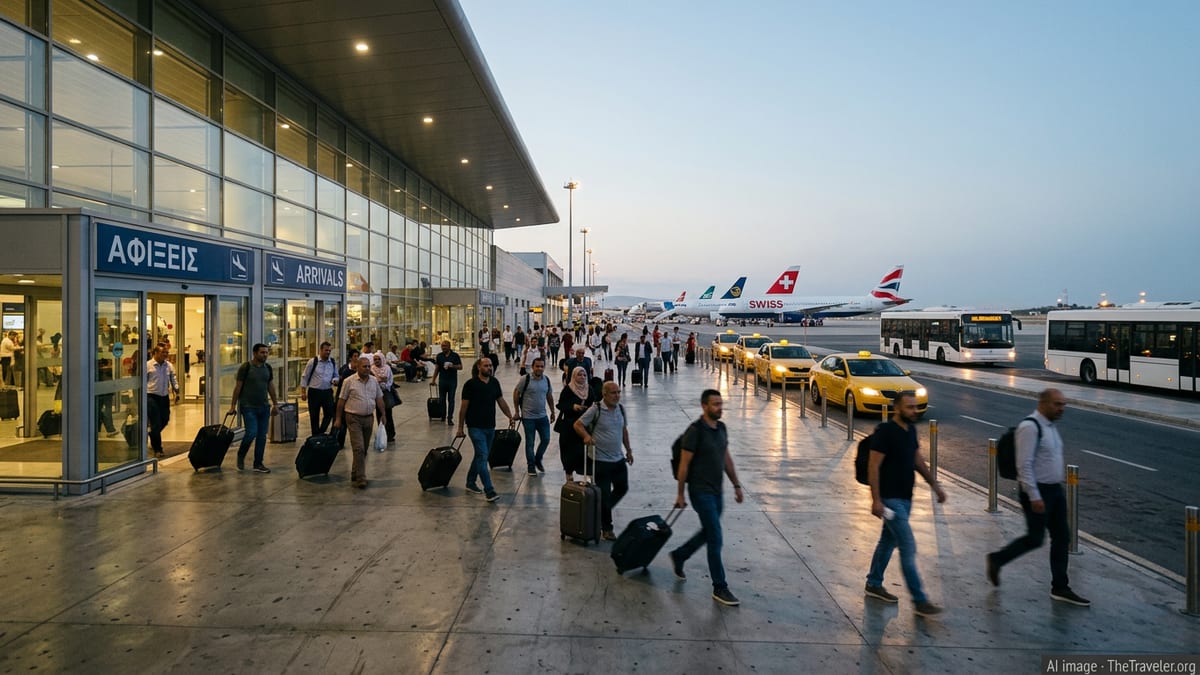
Ongoing airspace restrictions and security concerns continue to disrupt flights to the UAE and Riyadh. Here is what travelers need to know before they fly.
Vietnam’s Phu Quoc is riding a powerful tourism wave after new accolades as Asia’s most beautiful island, drawing record investment, flights and international visitors.
St. Augustine’s Celtic Music & Heritage Festival will end after its 2026 edition, as funding cuts, visa hurdles and rising costs reshape the city’s cultural calendar.

Hitachi’s rollout of digital signalling in Romania marks a pivotal step in Europe’s push for interoperable, higher-capacity rail, with major implications for cross-border travel.

Los Angeles is capitalizing on a global surge in film-inspired travel, aligning with five other US cities emerging as inbound hotspots for screen-driven tourism.
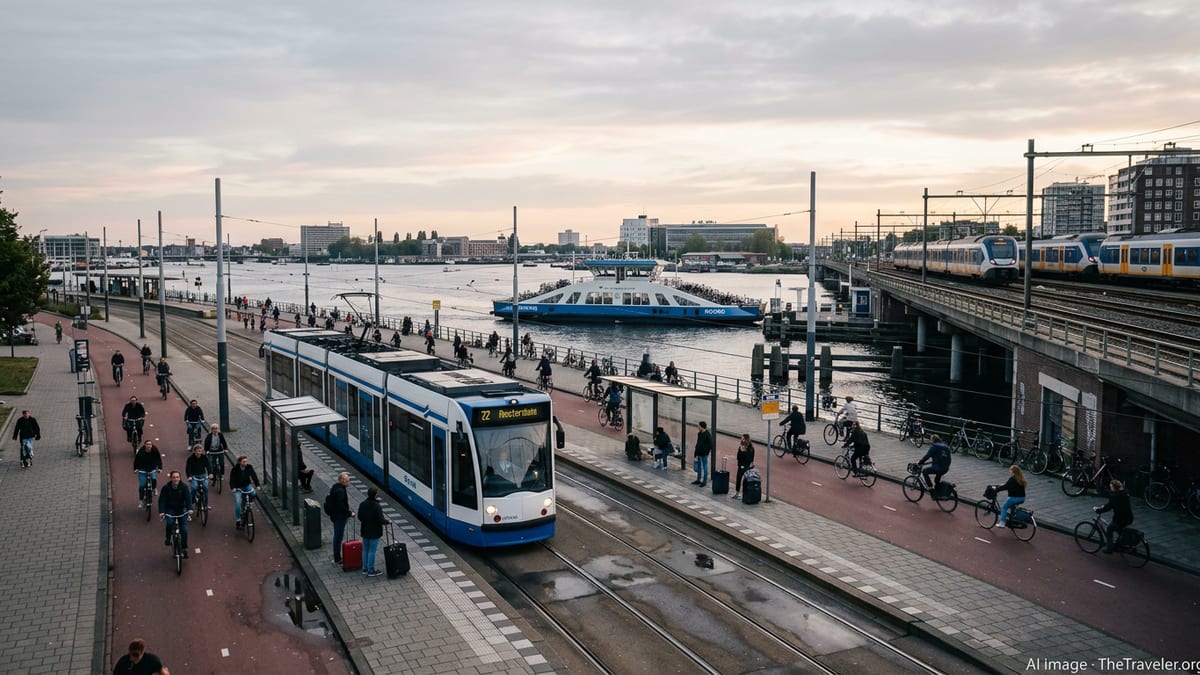
From New York to Copenhagen, cities are racing to capture a fast-growing market for cycling holidays with new lanes, greenways and bike-friendly visitor programs.
High-end US travelers are driving record demand as Virtuoso Travel Week 2026 in Las Vegas gives The Travel Society a larger stage for luxury-focused growth.
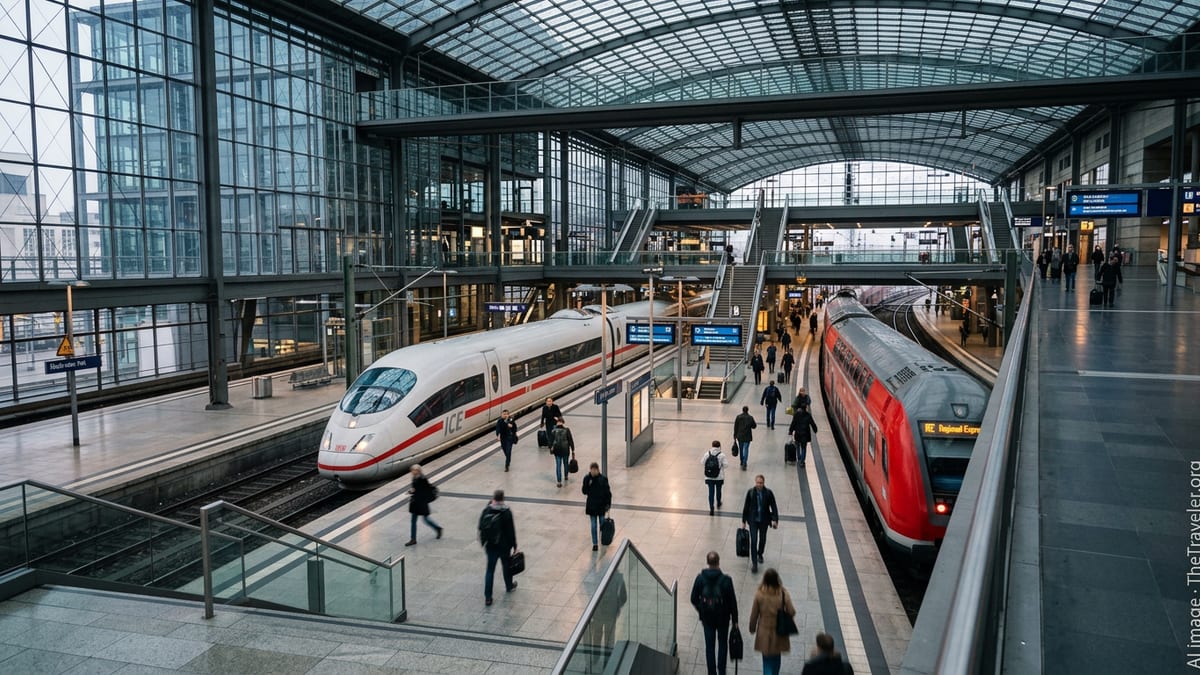
New York’s subway is set for a cooler, cleaner future as a new pilot taps excess underground heat, converting sweltering summer temperatures into useful winter energy.
New Zealand tourism bodies are elevating the TranzAlpine Scenic Plus experience, using premium rail to anchor new itineraries, luxury packages and regional visitor growth.
Seattle’s Ballard Link light rail now targets a 2042 opening to Market Street, yet a steep funding gap leaves the crucial final stretch in doubt.
New data for 2025 and early 2026 shows Croatia climbing the Mediterranean tourism ranks while Turkey grapples with inflation, pricing pressures and shifting demand.
Ecuador is expanding digital pre-clearance for Galápagos trips, streamlining the Transit Control Card and biosecurity declarations while aligning with new fee and sustainability measures.