

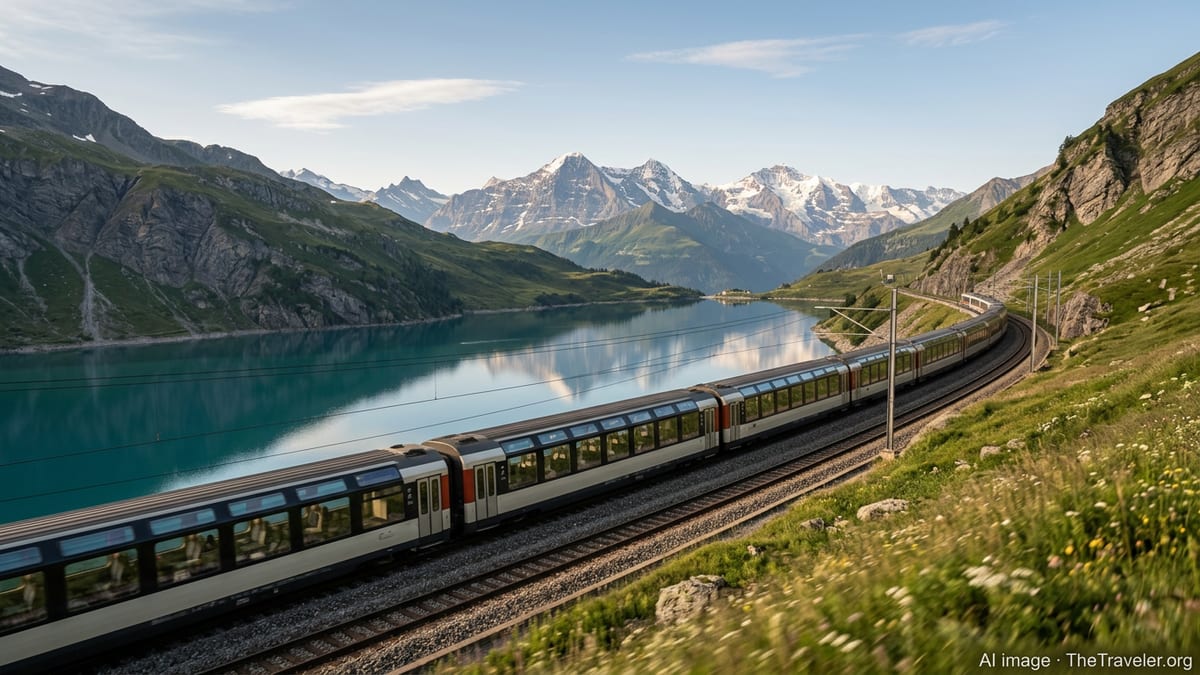
Switzerland Tourism Surges as Grand Train Tour Turns 10
Switzerland’s record tourism boom is converging with the 10th anniversary of the Grand Train Tour, a rail-based journey showcasing the country’s most iconic Alpine scenery.

I am writing observational travel analysis focused on how travel works beyond the surface.
Switzerland’s record tourism boom is converging with the 10th anniversary of the Grand Train Tour, a rail-based journey showcasing the country’s most iconic Alpine scenery.
Costa Rica’s expanding protected areas network is turning the country into a laboratory for low‑impact, high‑adventure tourism tailored to nature‑focused travelers.
Rotortrade has secured Mexico’s AFAC maintenance certification, strengthening its international helicopter support network and positioning Latin America as a key hub for cross‑border MRO services.

Singapore Tourism Board and Grab are extending their partnership into the night economy, using data, digital tools and precinct campaigns to guide visitors after dark.
The total solar eclipse on August 12, 2026 is triggering sharp surges in hotel demand and prices along the path of totality from Iceland to Spain.
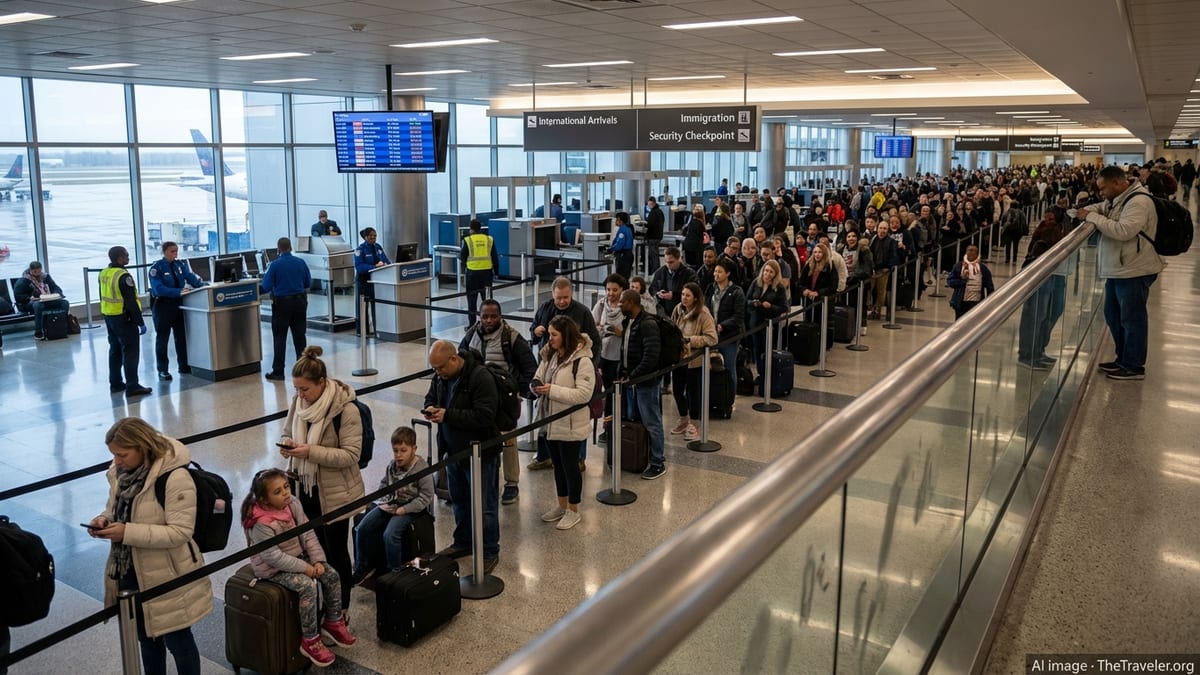
The United States has tightened entry rules for travelers linked to Congo’s fast‑moving Ebola outbreak, reshaping itineraries and raising urgent questions for global mobility.

Rising passenger numbers, new timetables and headline events are turning the Isle of Man’s historic railways into a fast-growing draw for heritage-minded travelers.
Armenia is rapidly emerging as an alpine adventure hub, blending high-altitude trails, new infrastructure and expanded air links to attract long-haul, experience-driven travelers.
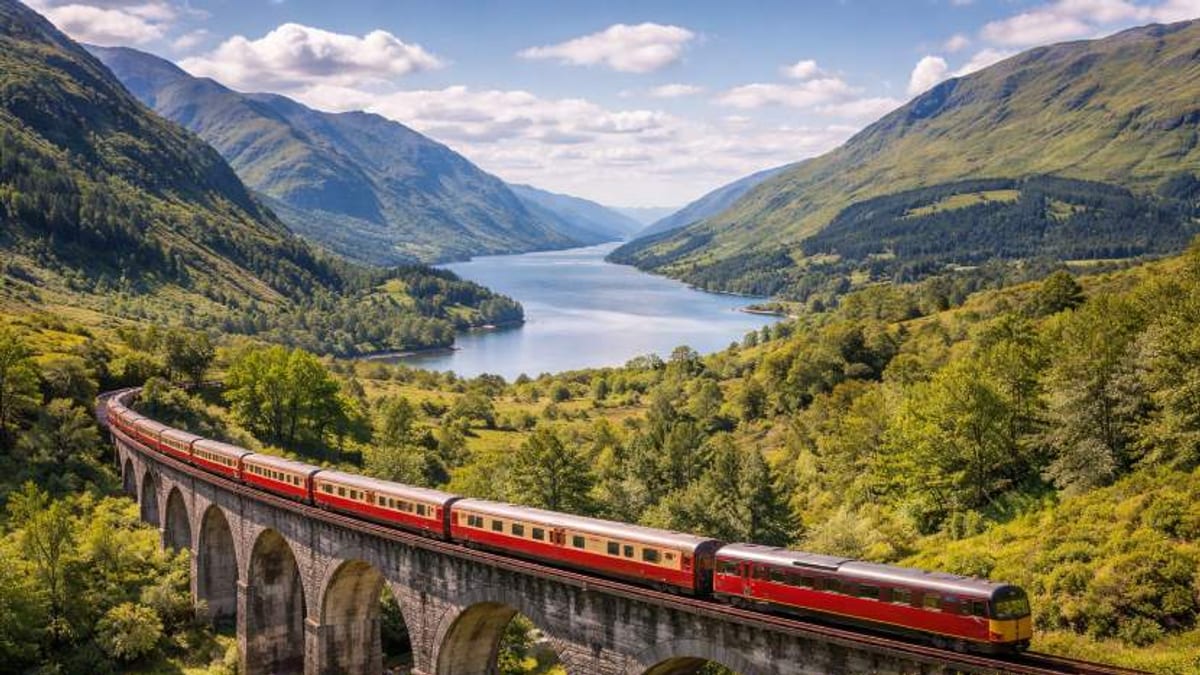
New data shows Scotland’s visitor economy strengthening as Wester Ross gains fresh acclaim as one of Europe’s most tranquil and unspoiled retreats.
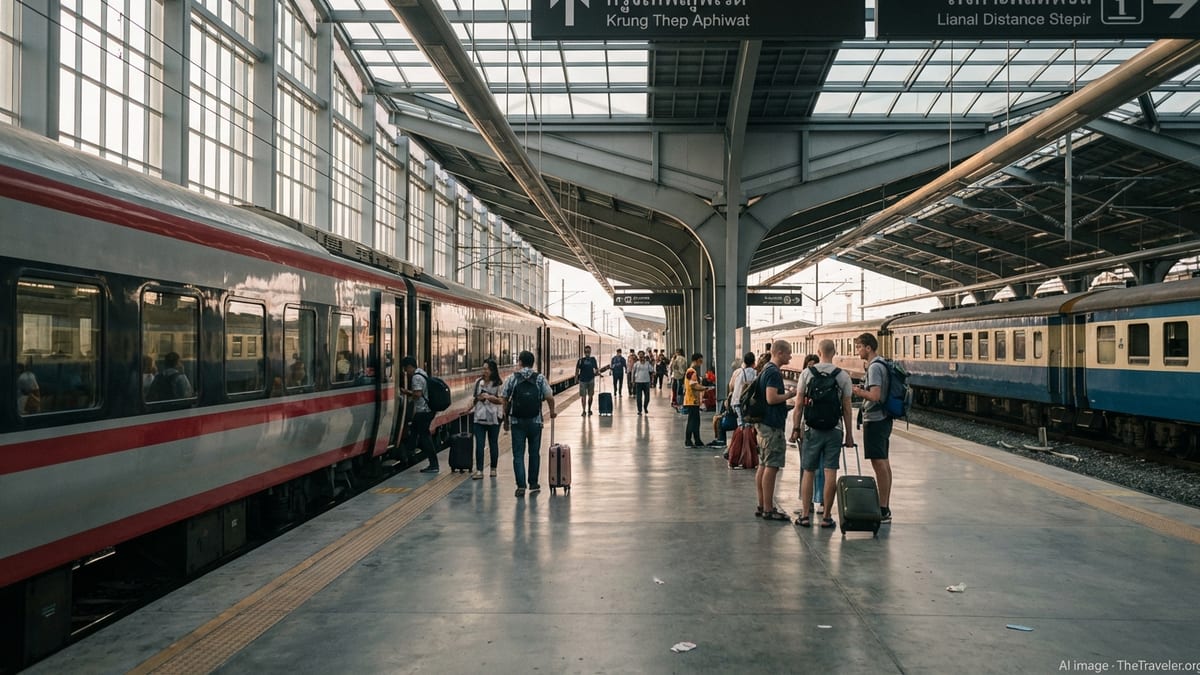
Thailand is preparing to roll out the Thai Tiew Thai Plus subsidy in September 2026, offering residents 50 per cent discounts on domestic travel spending.

This September’s Medical Tourism Summit in Yerevan is set to showcase Armenia’s fast-evolving healthcare sector and its ambitions in the global medical travel market.

A major power loss near Manchester halted trains across northern England, exposing single points of failure and renewing scrutiny of UK rail resilience plans.
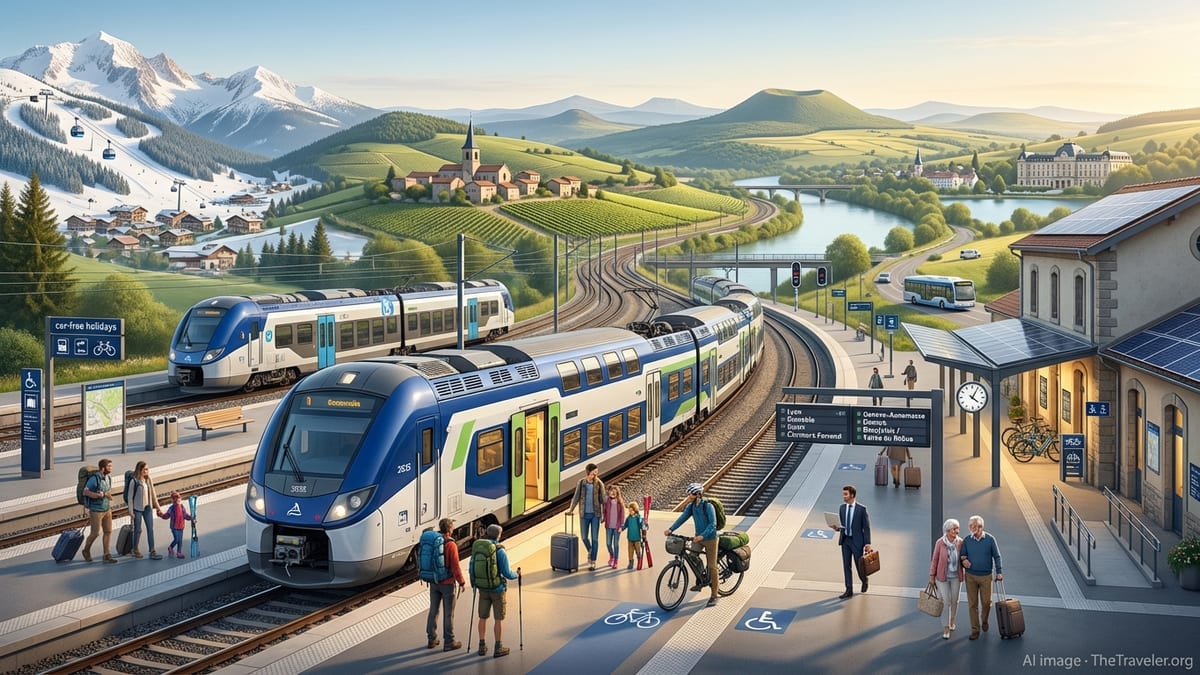
From France’s short-flight limits to new cross-border night trains, European countries are betting on low-carbon rail to drive a continent-wide travel reset.
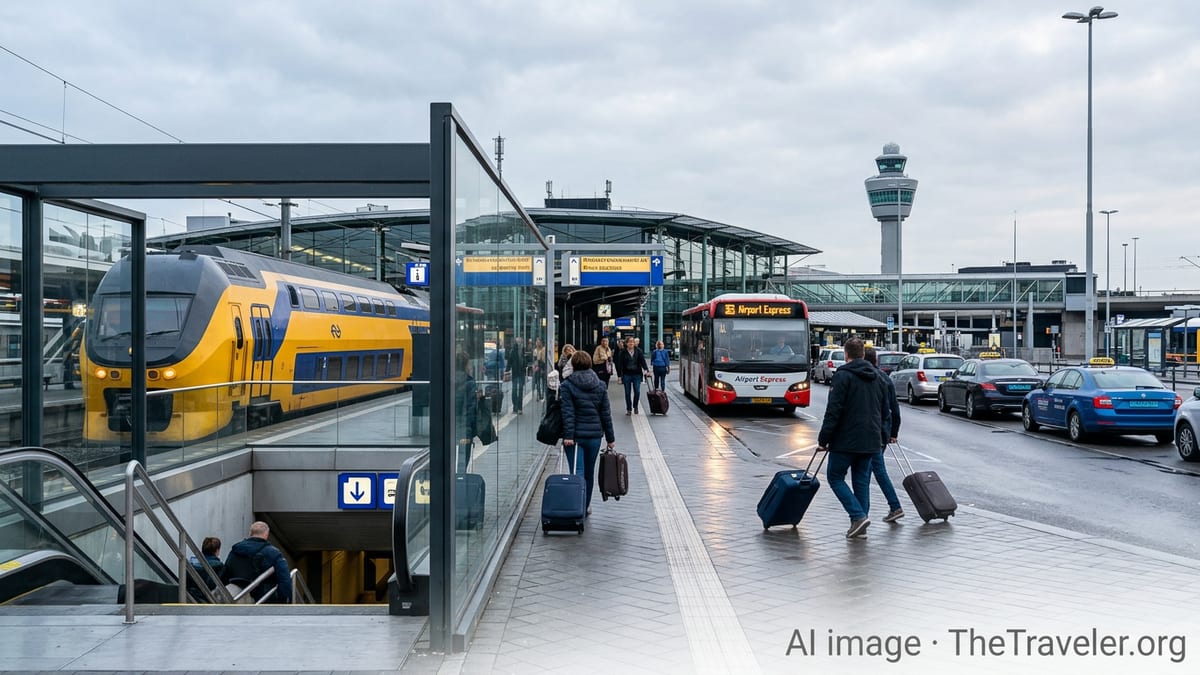
KLM is introducing a new Grand Café concept across its European network, adding paid fresh meals, more choice and digital tools for a smoother inflight experience.
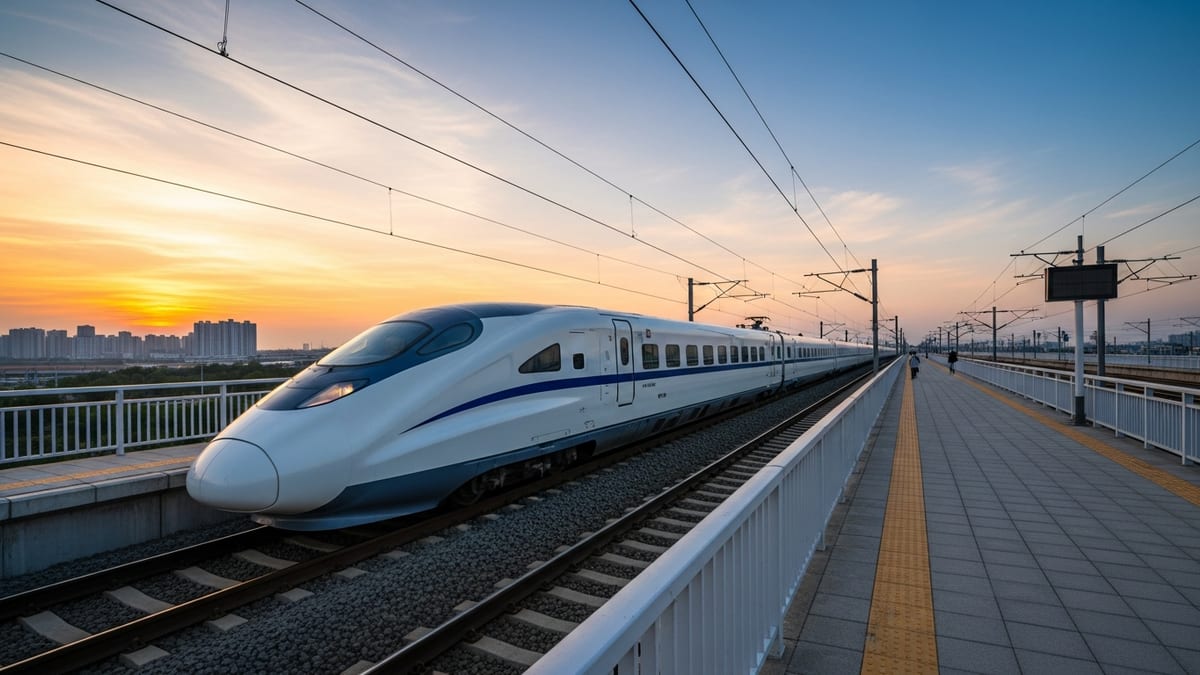
China’s vast bullet train network has transformed domestic travel, but on key routes the faster journey is not always the obvious choice for time-pressed travellers.