


More news on this day
Azerbaijan has issued an urgent travel warning in June 2026, calling on its citizens to avoid foreign conflict zones and reassess non-essential trips amid escalating violence in Ukraine, the Middle East and the ongoing Iran war.
Get the latest news straight to your inbox!
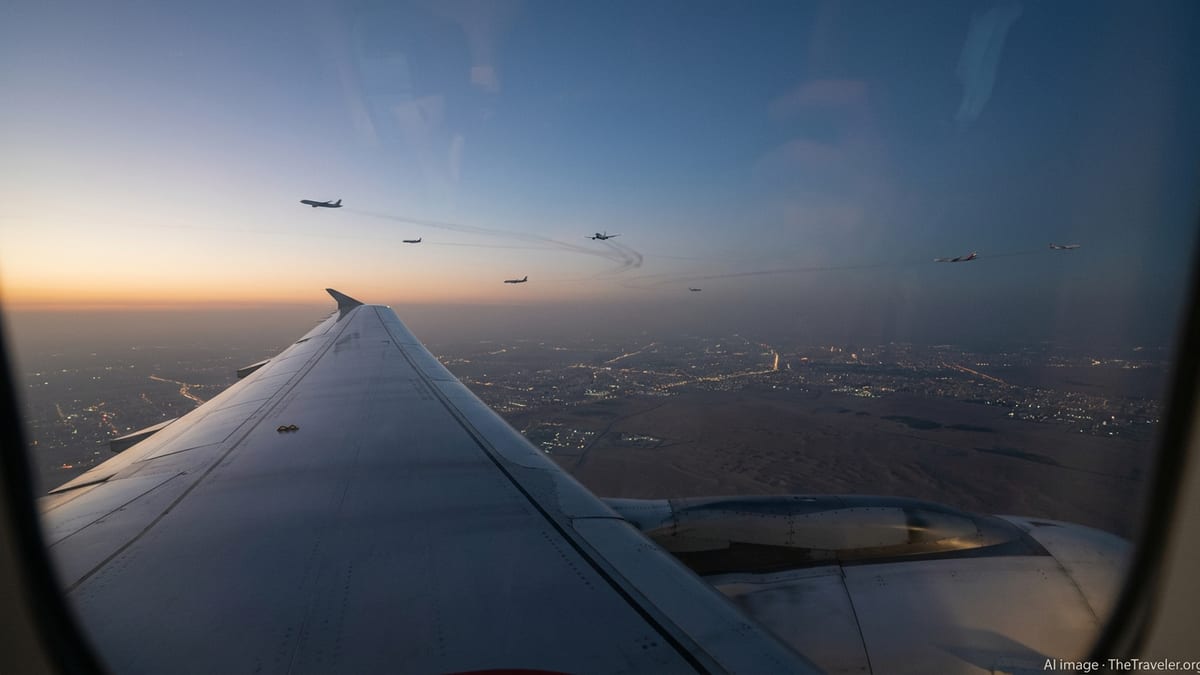
Heightened Alert as Regional Conflict Spills Across Borders
The latest warning, published by Azerbaijan’s Foreign Ministry in early June 2026, reflects growing concern over the security of Azerbaijani nationals in areas affected by armed conflict. Public statements highlight ongoing hostilities in Ukraine and multiple theaters in the Middle East, as well as the rapidly evolving security landscape linked to the Iran war. Reports indicate that the government is urging travelers to reconsider non-essential journeys to regions where military operations and attacks remain active.
Publicly available information notes that Azerbaijani citizens have previously been injured or killed while staying or working in conflict-affected areas abroad. The renewed advisory frames these incidents as evidence that risks near frontlines, key infrastructure and military targets remain elevated, even for civilians not directly involved in the fighting.
The warning comes as the wider region continues to experience security shocks linked to the Iran war, including pressure on airspace, temporary route closures and a heavier military presence across parts of the Middle East and the South Caucasus. Situation assessments by international observers describe a complex environment in which local skirmishes, drone attacks and proxy activity can affect travelers far beyond the immediate frontlines.
Drone Strikes, Iran War and New Pressures on Azerbaijan’s Security
The shift in tone is closely tied to a series of serious security incidents involving Azerbaijan in 2026. In March, drone strikes hit targets in the Nakhchivan exclave, including near Nakhchivan International Airport, in an episode widely linked in international coverage to the 2026 Iran war. Images of damaged civilian infrastructure in the region were circulated by global media, and analysis warned that the incident risked widening the conflict and further destabilizing regional air travel.
The strikes occurred at a time when airspace closures and rerouted flight paths across the Middle East were already disrupting civilian aviation. Independent reporting on the Iran war describes hundreds of thousands of travelers affected by flight cancellations, diversions and emergency evacuations, with the South Caucasus, including Azerbaijan, serving as an alternative transit corridor for some foreign nationals trying to exit the region.
In parallel, open-source reports have documented foiled plots and terrorism-related arrests inside Azerbaijan in early 2026, reinforcing domestic concerns about potential spillover from regional rivalries. Analysts note that such episodes, even if contained, contribute to a more cautious official posture when advising citizens about travel abroad, particularly to countries directly involved in current hostilities.
International Advisories Highlight Persistent Risks for Incoming Travelers
Azerbaijan’s own warning to its citizens sits alongside updated foreign travel advisories aimed at international visitors. In April 2026, the United States issued a Level 3 “Reconsider Travel” advisory for Azerbaijan, citing terrorism, armed conflict and landmine risks, especially along the borders with Armenia and Iran and in territories retaken following the Karabakh conflict. The guidance recommends avoiding specific districts where demining is still underway and where residual military infrastructure remains.
British travel advice, revised in March 2026, points to the March drone impacts at Nakhchivan International Airport and advises against all travel to certain border areas. Publicly available assessments from multiple governments underline that, while Baku and many urban centers remain comparatively calm, the security picture along some frontiers is less predictable, particularly in any future escalation tied to the Iran war or unresolved post-conflict issues with Armenia.
Analysts tracking the South Caucasus emphasize that this mixture of relatively stable city environments and volatile border regions creates a layered risk profile for travelers. Visitors are encouraged to monitor official bulletins from their home countries, review airline safety updates and remain flexible about rerouting or rescheduling trips should regional tensions spike again.
Government Guidance for Azerbaijani Citizens Abroad
Within its June 2026 statement, Azerbaijan’s Foreign Ministry urges citizens to conduct a careful security assessment before traveling, with a particular focus on destinations affected by active or potential conflict. Publicly available language encourages travelers to study host-country conditions, consider contingency plans and avoid areas where clashes, drone activity or military operations have been reported.
The warning also stresses the importance of following recommendations from Azerbaijani state bodies and foreign governments, including airport security notices, temporary flight suspensions and evacuation guidance. Observers interpret this as an effort to reduce the number of nationals becoming stranded or exposed to sudden escalations, as was seen when foreign citizens used overland crossings into Azerbaijan during the early days of the Iran war amid widespread flight disruptions.
Travel specialists note that Azerbaijan’s approach aligns with a broader global trend since 2020, in which states more frequently update and publicize travel warnings in response to rapidly changing security threats. The combination of drone warfare, cyberattacks and contested airspace has heightened concern that civilians using commercial routes can be unintentionally drawn into conflict environments.
Implications for Tourism, Transit and Future Travel Plans
The urgent warning is not framed as a blanket ban on overseas travel, but it is expected to influence tourism patterns and business trips taken by Azerbaijani citizens in the coming months. Industry observers suggest that demand for travel to high-risk regions is likely to fall, with greater interest in destinations perceived as neutral or geographically distant from current conflicts.
For Azerbaijan itself, the picture is more nuanced. While the country faces increased scrutiny from foreign governments because of its proximity to conflict zones and recent drone incidents, Baku continues to promote itself as a transit hub and tourism destination. Public information from regional airlines and airports indicates that, despite periodic disruption, many routes through the South Caucasus remain operational, though the situation may change if the Iran war further escalates.
Travel risk analysts recommend that both incoming and outgoing travelers treat 2026 as a year requiring above-average vigilance. Suggested steps include registering travel plans with consular services where available, checking insurance coverage for conflict-related disruptions and monitoring developments around sensitive locations such as border crossings, airports and energy infrastructure. In this context, Azerbaijan’s urgent travel warning serves as a clear signal that the regional security environment is in flux and that individual risk assessments are now an essential part of planning any journey linked to the country or its wider neighborhood.