


More news on this day
A severe fuel shortage across Indonesia's resort island of Bali has begun to disrupt transport and travel plans at the height of the tourist season, with an Indian traveller’s viral warning highlighting how blocked roads and packed petrol stations nearly caused him to miss his flight home.
Get the latest news straight to your inbox!
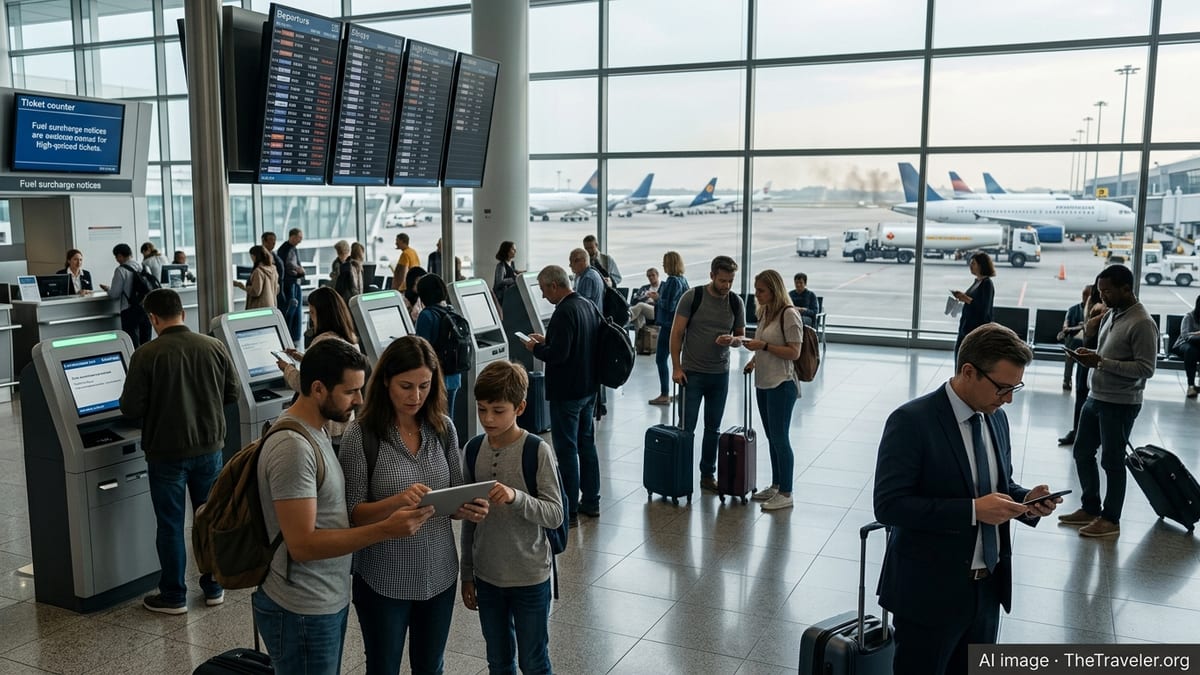
Viral Warning From Indian Traveller Highlights Airport Risks
The latest alarm for would-be visitors came from Indian traveller Susheel Jain, who shared a video on Instagram describing Bali’s fuel situation as a “nightmare” and urging others to factor the disruption into their itineraries. According to Indian media coverage on October 16, Jain, who runs a yoga business, said he almost missed his flight back to India because his car was trapped in congestion around multiple fuel stations as drivers queued for scarce petrol.
Footage from his clip, carried by Indian outlets, shows lines of cars and motorbikes stretching along Bali’s roads as vehicles wait to enter fuel stations. The queues spill onto main thoroughfares, turning what would normally be routine urban traffic into near gridlock in several districts.
Reports indicate that congestion has been particularly acute on routes leading to Ngurah Rai International Airport near the resort area of Kuta. Business publications and regional news platforms have noted that fuel shortages and queues were reported in Denpasar, Badung and along access roads near the airport from October 11 onward, raising concerns for travellers with tight departure schedules.
Jain’s warning has resonated widely among Indian and other international tourists planning trips to Bali in the coming days, with social media discussions focusing on whether to adjust airport transfer times, reconsider scooter rentals or even delay travel until fuel supplies stabilize.
How Bali’s Fuel Shortage Emerged And Spread
Publicly available information from Indonesian and international outlets shows that Bali’s fuel problems escalated in mid October 2026, when a combination of distribution bottlenecks, technical issues and rough seas disrupted deliveries of subsidised petrol to the island. The disruption, first widely reported around October 11, quickly translated into local shortages at fuel stations carrying popular grades such as Pertalite.
News agencies and regional media describe vehicles forming lines hundreds of metres long outside petrol stations in Denpasar and other urban centres by October 13. Video published by global wire services over October 13 to 15 shows motorcycles and cars idling in dense queues for hours, while some drivers report moving from one station to another in search of fuel.
Coverage from Singapore and Jakarta based outlets indicates that the problem has not been confined to southern Bali. Queues and sporadic station closures have been reported in Badung, Tabanan and parts of Gianyar regency, affecting both residential areas and tourist corridors. Some local commentators attribute the severity of the queues partly to panic buying, as residents and tourism operators rushed to top up tanks once news of distribution delays spread.
Energy officials cited in Indonesian press reports have said that storage terminals on the island continued to receive shipments, framing the problem as a distribution and demand management issue rather than a complete supply cutoff. However, they also acknowledged that severe weather around Bali temporarily hampered marine transport to key terminals, slowing restocking at retail stations.
Impact On Tourists, Transport And Local Businesses
The shortages have had an immediate effect on Bali’s transport patterns, especially in areas where scooters and small vehicles underpin both daily life and the visitor economy. Local coverage and traveller accounts shared on public forums describe motorbike riders waiting for extended periods just to purchase a limited amount of fuel, with some stations reportedly restricting volumes per customer to stretch supplies.
For tourists, the most visible impact has been on journey times. Travellers currently on the island report that queues outside petrol stations often occupy an entire traffic lane, forcing through traffic into narrow gaps and adding significant delays. Rides booked via app based services in neighbourhoods such as Canggu, Seminyak and Ubud are said to be subject to frequent cancellations or longer wait times as drivers juggle fuel availability and congestion.
Hotels, tour operators and transfer companies, according to regional business press, are facing higher operating uncertainties. Excursions that rely on cars or minibuses can take longer to complete, and some providers have adjusted pickup times or warned guests that itineraries may change at short notice. Businesses that depend heavily on same day deliveries and staff commuting from outlying areas are also navigating the knock on effects of restricted fuel access.
Despite the disruptions, airlines and Bali’s main airport have continued to operate scheduled flights. However, the example of Jain and other travellers caught in jams near fuel stations has prompted renewed advice from travel commentators and online communities for passengers to leave substantially earlier than usual for both domestic and international departures.
Authorities Pledge Normalisation As Queues Persist
Indonesia’s state owned energy company Pertamina and central government agencies have publicly pledged to normalise supplies, with officials quoted in national media describing the Bali situation as temporary. Statements over the past several days have pointed to measures such as reallocating fuel stocks, increasing tanker deliveries to the island and coordinating with local authorities to manage distribution to priority areas.
Reports from Bali based outlets on October 14 and 15 suggest that additional shipments have begun to arrive at key terminals serving Denpasar and eastern Bali. Some stations that had run dry earlier in the week reportedly resumed operations, although long queues persisted as motorists hurried to refuel after days of uncertainty.
Local commentators note that because the imbalance stems largely from disrupted logistics and a surge in demand, recovery could lag behind initial restocking efforts. Once fresh fuel reaches stations, people who had been conserving or rationing supplies often rush to fill up, extending the period of visible congestion even as overall inventories improve.
Analysts following Indonesia’s energy sector say the Bali episode is also testing the island’s resilience as a tourism hub in the context of broader regional fuel market volatility. Recent global supply tensions, including attacks on tankers in key shipping lanes, have underscored the vulnerability of net fuel importers to transport and pricing shocks.
What Prospective Visitors Should Consider Now
For travellers with trips scheduled in the immediate future, publicly available advice from travel writers, local newsrooms and online communities converges on a few key points. First, airport transfers and intercity journeys on the island currently require extra buffer time, particularly during peak hours in and around Denpasar, Kuta, Canggu and Ubud, where the densest queues have been reported.
Second, visitors who intend to rent scooters or self drive vehicles may face challenges finding fuel in certain neighbourhoods or at specific times of day. While some travellers on public forums say they have managed to refuel without major issues, others report visiting multiple stations or waiting in lengthy queues. Those already on the island recommend keeping tanks topped up rather than running them close to empty.
Third, travellers are being encouraged by Bali based commentators to remain flexible with day trip plans, especially excursions that require crossing the island or visiting more remote beaches and temples. In some cases, tour operators might adjust routes or start times to avoid known congestion points near heavily used fuel stations.
Finally, several regional analyses stress that conditions remain fluid. While Indonesian officials and Pertamina insist that supplies are being replenished and that operations should gradually stabilise, as of October 16 extensive queues are still documented in parts of Bali. Prospective visitors weighing imminent departures are therefore advised, in public discussions and media coverage, to stay informed through reputable news sources and local updates, and to plan itineraries with contingencies in mind.