


More news on this day
Power outages and travel disruptions spread across Southern California on Friday as a powerful Santa Ana wind event brought gusts over 60 miles per hour, heightening wildfire danger and prompting widespread weather alerts.
Get the latest news straight to your inbox!
High Wind Warnings Stretch From Los Angeles to Inland Empire
National Weather Service bulletins issued through Friday, October 16, indicate high wind warnings and advisories across large portions of Southern California, including the Santa Monica Mountains, Ventura County, the San Gabriel Mountains, and the Inland Empire. Forecast discussions describe northeast winds of 25 to 40 miles per hour, with gusts between 50 and 70 miles per hour in the most exposed passes and canyons.
Weather products for Los Angeles County highlight a high wind warning in effect through at least Friday evening, followed by a wind advisory into Saturday. The alerts emphasize that damaging winds may topple trees and utility lines, with widespread power outages expected in some mountain and valley communities. Travel is described as difficult, particularly for high profile vehicles on corridors such as Interstate 5 and Highway 14.
Farther south, non-precipitation warnings from the National Weather Service office in San Diego extend high wind warnings through Saturday evening for the San Bernardino and Riverside County valleys, including cities such as Riverside, San Bernardino, Fontana, Rancho Cucamonga, and Ontario. Forecasters note that Friday is expected to bring the strongest gusts across much of the region before winds gradually turn more easterly and ease somewhat on Saturday.
Local commentary on community forums from San Diego County to Santa Clarita reflects conditions on the ground, with residents reporting rapidly strengthening winds on Thursday and Friday and noting increased fire danger amid hot, dry weather following a prolonged early October heat wave.
Planned Shutoffs and Storm Damage Drive Power Outages
Publicly available information from utilities, state regulators, and county agencies shows that a combination of intentional safety shutoffs and weather-related damage is contributing to interruptions in electricity service. In advance of this week’s Santa Ana winds, Los Angeles County public safety agencies issued guidance on October 14 warning residents to be prepared for both Public Safety Power Shutoffs and unplanned outages caused by wind damage.
Public Safety Power Shutoff programs, used by providers such as Southern California Edison and San Diego Gas & Electric, allow utilities to temporarily cut power to targeted high fire threat circuits when strong winds and extremely dry fuels raise the risk that downed lines could spark wildfires. Regulatory filings and past post event reports from the California Public Utilities Commission describe how these shutoffs are typically triggered by a combination of high wind warnings, red flag conditions, and on the ground observations.
Alongside these preemptive shutoffs, early reports from communities in foothill areas indicate outages caused by branches and debris hitting lines after wind speeds increased overnight. Residents in neighborhoods such as Altadena and other mountain adjacent areas have described losing power hours after nearby brush fires began, suggesting that both fire response operations and wind damage are affecting the grid.
County level preparedness materials advise households to keep mobile devices charged, have flashlights and battery powered radios available, and plan for medical needs that require electricity. Travelers passing through affected areas are urged to anticipate that some traffic signals and roadside lighting may be dark during peak outage periods.
Travel Conditions Deteriorate on Key Highways and Transit Corridors
High wind warnings issued for the Western San Gabriel Mountains, Interstate 5 corridor, and other major passes explicitly flag difficult travel conditions, particularly for trucks, recreational vehicles, and other tall vehicles. Forecast discussions note that gusts over 60 miles per hour in exposed locations may cause vehicles to swerve or overturn, especially on north south routes aligned with the offshore winds.
Drivers on Interstate 5 near Tejon Pass, as well as on Highway 14, Highway 118, and mountain segments of U.S. 101 through Ventura and western Los Angeles counties, are being urged through public weather messages and local media coverage to slow down, maintain extra spacing, and be prepared for sudden crosswinds. Blowing dust and debris, including palm fronds and unsecured construction materials, can briefly reduce visibility and create additional road hazards.
In the Inland Empire, wind prone corridors near the Cajon Pass and the San Gorgonio Pass are under particular scrutiny. Weather advisories suggest that gusts could exceed 65 miles per hour near these gaps, posing added risk to freight traffic and commuters. Travel updates from regional outlets indicate that some high profile vehicle restrictions are being considered or implemented on select stretches when gusts peak.
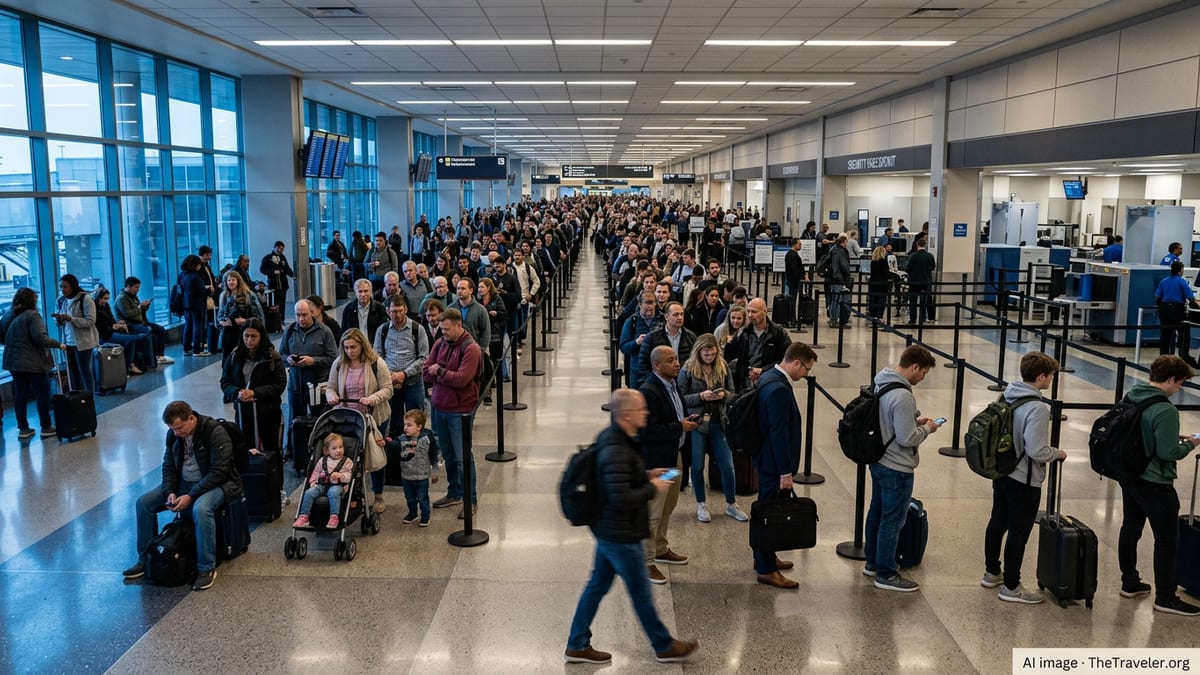
Transit agencies and airport operators in the region are monitoring the evolving conditions. While comprehensive delay figures are not yet available, publicly accessible flight status tools show scattered wind related delays at Southern California airports during peak gust periods, especially for smaller aircraft and flights using crosswind sensitive runways.
Wildfire Risk Intensifies After Prolonged Heat and Dryness
The strong offshore winds are arriving on the heels of an extended early October heat episode that pushed temperatures well above seasonal norms across coastal and inland Southern California. Environmental summaries and previous forecasts describe daytime highs reaching the triple digits in some interior valleys and remaining elevated through much of the first half of the month.
This pattern has dried grasses and brush, especially at lower and middle elevations, setting the stage for rapid fire spread when combined with low humidity and high winds. The National Weather Service and county agencies have issued red flag warnings for many mountain and foothill zones through Friday night, signaling critical fire weather conditions. Public messages emphasize that even small sparks from vehicles, power tools, or outdoor equipment could lead to fast moving fires.
Recent coverage from national news outlets notes that several brush fires were already burning on Thursday and Friday in parts of Southern California, including in the Malibu area and other sections of the Santa Monica Mountains. These fires prompted evacuation warnings and orders in select communities and temporarily closed some local roads and recreation areas.
Emergency management information encourages residents and visitors in high risk areas to keep go bags ready, review evacuation routes, and monitor multiple information sources for rapid updates, including local broadcasters, official alert systems, and dedicated wildfire information services.
Guidance for Travelers and Visitors in Affected Areas
For travelers currently in Southern California or planning visits over the next several days, publicly available advisories stress the importance of monitoring local forecasts closely and building flexibility into itineraries. With high wind warnings extending through at least Saturday in some inland valleys and mountain zones, road conditions and power availability may continue to change on short notice.
Visitors heading to popular outdoor destinations such as the Santa Monica Mountains, Angeles National Forest, San Bernardino Mountains, and desert parks are being urged in public guidance to check ahead for trail, campground, or road closures linked to wind, fire danger, or active firefighting operations. Some high elevation or ridge top sites may be especially exposed to hazardous gusts and falling branches.
Travel resources also recommend that drivers fuel up before entering more remote canyons or mountain corridors, since gas stations and charging facilities can be affected by outages. Keeping more water than usual in the vehicle, carrying basic emergency supplies, and planning alternate routes around known wind corridors can reduce the impact of sudden closures or delays.
Air travelers are encouraged to confirm flight status frequently on airline channels and allow extra time at airports in case queues build during periods of disruption. Those staying in short term rentals or hotels in wind exposed neighborhoods may want to ask property managers about backup lighting and emergency procedures in the event of a local outage.