


More news on this day
A power loss inside an Amtrak tunnel north of Baltimore that left a train stranded and passengers in the dark is renewing scrutiny of the railroad’s aging infrastructure and emergency communication practices along one of the United States’ busiest passenger corridors.
Get the latest news straight to your inbox!
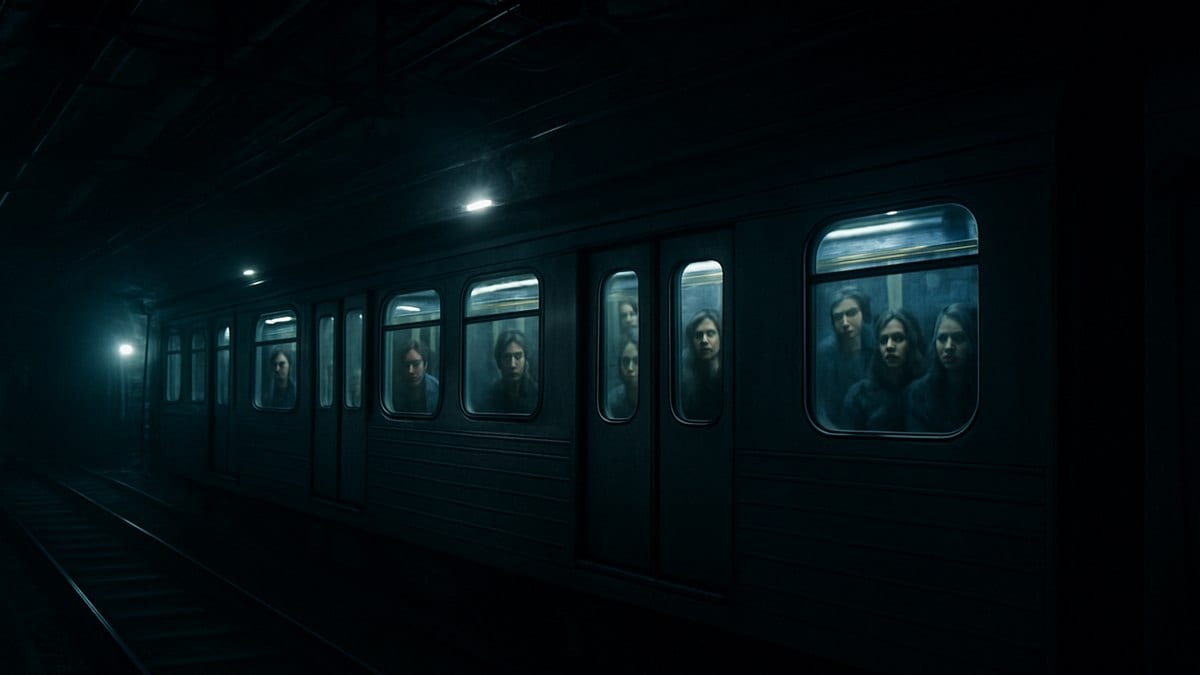
A Sudden Blackout in a Critical Rail Chokepoint
Reports from June 2025 describe an Amtrak train losing power while traveling through a tunnel just north of Baltimore during a regional heat wave, coming to an abrupt halt and trapping passengers in low light and rising temperatures. The incident, widely covered by local outlets, unfolded in a section of the Northeast Corridor that has long been identified as a bottleneck because of its age, limited capacity, and complex operating constraints.
Publicly available accounts indicate that passengers experienced a prolonged delay before the train could be moved, with some describing stalled air circulation and uncertainty about what was happening. The episode did not result in injuries, but it underscored how a single power disruption in a confined space can quickly become a customer service and safety concern, particularly in extreme weather.
The tunnel complex north of Baltimore, including the 19th century Baltimore and Potomac Tunnel and adjacent infrastructure, carries Amtrak, Maryland’s MARC commuter trains, and freight traffic. Federal reviews have repeatedly cited this area as a vulnerability for the Northeast Corridor, pointing to structural limitations, water intrusion, and constrained clearances that complicate electrification systems and modern signaling.
Old Tunnels, New Pressures on the Northeast Corridor
The Baltimore and Potomac Tunnel opened in the 1870s and remains in constant use despite its age. Federal Railroad Administration documentation characterizes the structure as a major constraint on reliability and speed, with tight curves, steep grades, and dated ventilation that complicate operations for today’s faster and heavier electric trains. These conditions increase stress on power and signaling equipment, raising the stakes when something fails.
Amtrak and federal transportation agencies have acknowledged for years that the existing tunnel’s power and signal systems are vulnerable. Historic reports point to the challenges of maintaining overhead catenary and transmission lines in a damp, confined environment, where water seepage and limited clearances can degrade components and make repair work more difficult. Power interruptions in such a setting are not only disruptive but can also be harder to diagnose and fix in real time.
At the same time, demand on the corridor continues to grow. The Northeast Corridor is the busiest passenger rail line in the country, and the Baltimore tunnels serve as a key link between Washington and cities to the north. Each additional train scheduled through the bottleneck narrows the margin for error when a power loss or signal problem occurs, raising the potential for cascading delays.
Communication Gaps Leave Passengers in the Dark
Passenger accounts of the Baltimore tunnel outage focus not only on the lack of traction power but also on the lack of information. Riders described long stretches with little clarity about the cause of the delay, estimated time to restoration, or contingency plans. In a darkened tunnel, that communication vacuum quickly translated into frustration and anxiety.
Published coverage and online commentary suggest that onboard announcements were sporadic and sometimes inconsistent with messaging pushed through apps and station screens. While train crews must focus on safety checks and coordination with dispatchers during an incident, the experience highlights how difficult it can be to maintain a steady flow of updates when power, radio coverage, and cellular connectivity may all be compromised.
Experts have long argued that effective emergency response on congested rail corridors requires more than mechanical redundancy. It also depends on resilient communications systems, clear protocols for how and when passengers are briefed, and backup ways to deliver messages if regular channels fail. The Baltimore event showed that even when passengers are physically safe, the perception of risk and confusion can escalate if the information pipeline breaks down.
Frederick Douglass Tunnel Project Aims to Reduce Risk
The power loss incident unfolded against the backdrop of one of the most ambitious rail infrastructure projects in the country. Amtrak and its public partners are investing billions of dollars to replace the aging Baltimore and Potomac Tunnel with the new Frederick Douglass Tunnel, a modern, electrified rail link designed to increase capacity, improve reliability, and reduce travel times through Baltimore.
Project fact sheets and federal environmental documents describe a new alignment with gentler curves, twin bores, updated catenary and signal systems, and contemporary tunnel ventilation designed to meet current fire and life-safety standards. Early construction has been underway since 2023, with recent milestones including completion of a utility siphon tunnel and related underground works beneath the Northeast Corridor tracks.
Once the new tunnel is operational, Amtrak and MARC expect to run more frequent and faster electric trains through Baltimore, while the old Baltimore and Potomac Tunnel is slated to be retired for passenger service. The upgraded infrastructure is intended to reduce the likelihood of power interruptions and simplify maintenance, though substantial work remains and the overall program is expected to continue for several more years.
Systemic Vulnerabilities on an Aging Electric Railroad
The Baltimore power loss is part of a wider pattern of disruptions that have affected electrified rail operations along the Northeast Corridor. In recent years, separate incidents involving catenary failures, signal power problems, and weather related outages have periodically halted or slowed trains in multiple states, highlighting how dependent the network is on continuous electric power and precise signaling.
Technical analyses by transportation agencies emphasize that the corridor is a patchwork of infrastructure generations, from early twentieth century bridges and tunnels to newly built segments like the Portal North Bridge in New Jersey. Integrating advanced train control systems, high speed operations, and modern rolling stock into this legacy environment is an ongoing engineering challenge, and unexpected failures can surface where older equipment meets newer technology.
Advocates for rail investment argue that events like the Baltimore tunnel blackout underline the importance of sustained funding not only for marquee projects like the Frederick Douglass Tunnel, but also for less visible upgrades such as feeder lines, substations, redundant power feeds, and digital communications. Without those elements, passengers may continue to experience abrupt, confusing stoppages even as signature new structures open to fanfare.