


More news on this day
Hundreds of passengers across Asia and the Middle East are facing severe disruption as a wave of cancellations and delays on China Eastern Airlines services from Shanghai and Shenzhen ripples through major hubs including Mumbai, Dubai, Tokyo and Beijing.
Get the latest news straight to your inbox!
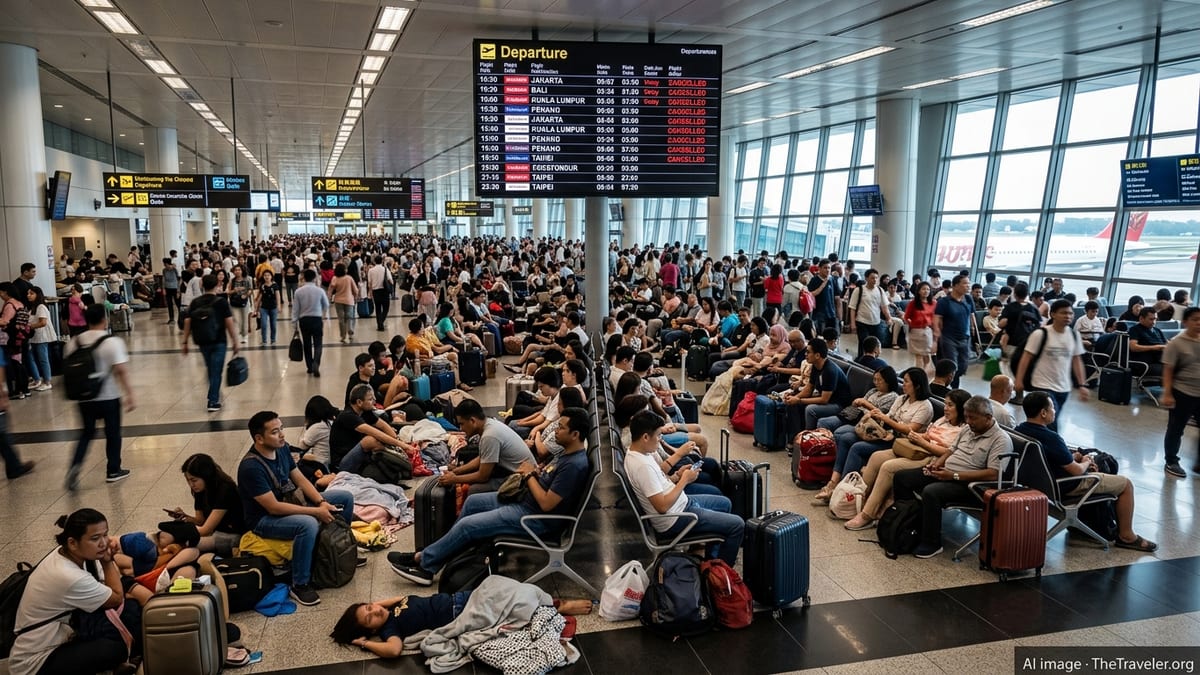
Dozens of Cancellations and Hundreds of Delays Reported
Operational data compiled from flight tracking and schedule monitoring platforms indicates that China Eastern and its key hubs in Shanghai and Shenzhen have recently experienced an unusually high level of disruption. Across a single operating window, around 48 China Eastern flights were cancelled and more than 350 were recorded as delayed, affecting departures and arrivals on routes linking China with India, the United Arab Emirates, Japan and other regional markets.
The disruptions appear concentrated at Shanghai’s Pudong and Hongqiao airports and at Shenzhen, which together anchor much of the airline’s short and medium haul network. These airports function as critical transfer points, meaning one cancellation or lengthy delay can trigger missed connections and knock-on schedule problems far beyond mainland China.
Although day to day volatility is not uncommon in such a large network, the scale of this cluster of cancellations and delays has been notable enough to be flagged by multiple tracking services and highlighted by travellers on social platforms, who describe missed trips, forced overnights and complicated rebookings.
Publicly available information does not yet point to a single clear cause. Weather, aircraft rotation issues, crew availability and wider congestion across Chinese airspace are all cited by aviation analysts as likely contributing factors whenever a spike of this size occurs.
Ripple Effects in Shanghai, Beijing and Other Chinese Hubs
Shanghai, where China Eastern is headquartered, has been at the heart of the disruption. Pudong and Hongqiao airports together handle dense banks of domestic flights feeding into long haul services across Asia, Europe and the Middle East. When departures from these hubs are cancelled or significantly delayed, onward connections to cities such as Beijing, Chengdu and Guangzhou are quickly affected.
Beijing and other major Chinese hubs have seen increased numbers of late arrivals and rescheduled departures as aircraft and crews arrive out of position. Passengers have reported extended waits at gates and service desks as staff work through rebooking options, particularly for those holding complex itineraries that rely on timed connections through Shanghai.
Industry data for China Eastern’s network in recent months shows generally improved on time performance compared with the severe volatility seen during the height of pandemic travel restrictions. However, analysts note that the system remains sensitive to shocks, particularly during periods of strong demand when spare aircraft and crew capacity is limited.
The latest wave of disruption underlines how quickly a dense hub and spoke system can become congested. Once delay levels surpass a certain threshold, recovery can take several operational cycles, meaning passengers may experience knock on effects for days after the initial problems are logged.
International Travelers Caught Out in Mumbai, Dubai and Tokyo
Beyond mainland China, the impact has been particularly visible in key regional gateways such as Mumbai, Dubai and Tokyo, where China Eastern links local markets to its Chinese hubs. Travellers using these cities as starting points for itineraries into China or onward to third countries have reported schedule changes ranging from long delays to same day cancellations.
In India, publicly available flight information shows irregular China Eastern operations on select services connecting Mumbai with Shanghai. Delays on these routes can mean missed connections onwards to cities such as Beijing or to destinations further afield in East Asia. Some passengers have turned to alternative carriers at short notice, often at higher last minute fares.
In the United Arab Emirates, where Dubai serves as a major link between Gulf carriers and Chinese airlines, any unreliability in inbound or outbound China Eastern flights complicates connections for travellers heading to or from China. Flight tracking pages for recent Shanghai services into the region show schedule adjustments and, in some cases, cancellations that force itineraries to be rebuilt around different routings.
Tokyo and other Japanese cities have also been touched by irregular operations. China Eastern has been rebuilding its Japan network as travel demand recovers, and sudden cancellations or extended delays on Shanghai to Tokyo flights can disrupt both leisure and business trips, particularly for travellers relying on short layovers or tight business schedules.
Knock On Impact on Codeshares and Regional Partners
China Eastern’s role within the SkyTeam alliance and its extensive use of codeshare agreements mean the latest disruptions have implications beyond its own ticketed passengers. When a China Eastern operated flight is cancelled or delayed, travellers booked under partner airline codes may also find themselves affected, even if their tickets were purchased through another carrier.
According to publicly available booking and schedule data, many itineraries between Europe, the Middle East, South Asia and North Asia rely on a combination of long haul partner flights and China Eastern operated regional segments. If a Shanghai to regional city leg is cancelled, for example, a traveller arriving on time from Europe may still be stranded while alternative connections are arranged.
This can have financial and logistical consequences for partner airlines that must assist customers despite not controlling the disrupted sector. It also complicates rebooking, since suitable replacement options may require rerouting passengers over entirely different hubs, often through Seoul, Singapore, Hong Kong or Gulf gateways.
Aviation analysts point out that these interdependencies are a structural feature of modern airline alliances. When a major partner experiences a spike in cancellations and delays, the effects can quickly become visible across multiple carriers and continents.
What Stranded Passengers Are Being Advised to Do
For travellers caught up in the latest wave of disruptions, publicly available guidance from airlines, airports and consumer bodies typically emphasizes the importance of acting quickly when a cancellation or long delay is announced. Passengers are generally encouraged to check their booking status through official airline channels and to seek written confirmation of any changes.
Consumer advocates frequently recommend that travellers keep records of boarding passes, delay notifications and receipts for food, accommodation and alternative transport, in case compensation or reimbursement is available under local regulations or under the airline’s own conditions of carriage. In some jurisdictions, fixed compensation may apply for long delays or cancellations, while in others assistance is limited to rebooking or refunds.
For itineraries involving multiple carriers or booking agents, experts advise contacting the original point of purchase as soon as possible, since this entity usually holds responsibility for managing changes. Where feasible, maintaining flexibility on travel dates and routings can improve the chances of securing an acceptable alternative when popular routes between China, India, the UAE and Japan are heavily booked.
As airline networks across Asia continue to scale up following years of suppressed demand, the latest disruptions affecting China Eastern highlight the ongoing fragility of recovery. For passengers planning upcoming trips through Shanghai, Shenzhen or other Chinese hubs, monitoring flight status closely in the days leading up to departure remains a prudent step.