


More news on this day
Flight disruptions are mounting across key travel markets as a tightening supply of aviation fuel, driven by the closure of vital oil routes and a rapid spike in jet fuel prices, begins to reshape airline schedules worldwide.
Get the latest news straight to your inbox!
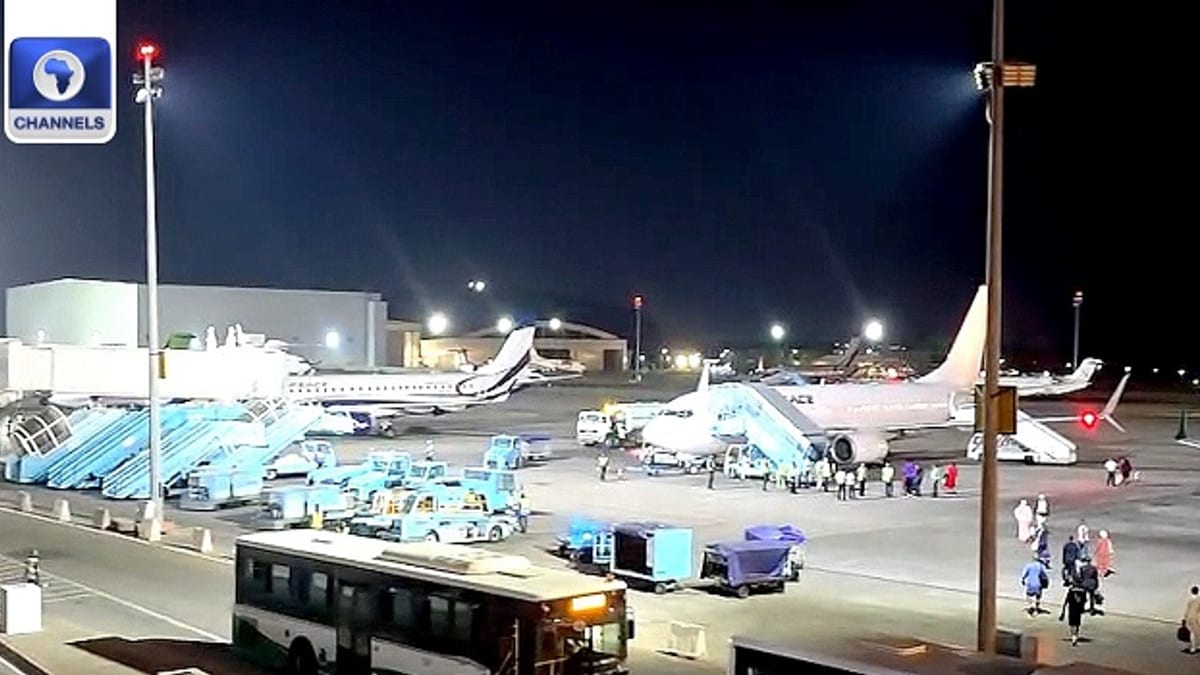
Fuel Shock Spreads From Oil Routes to Airline Timetables
The current wave of flight disruption is closely tied to the sudden constriction of oil flows through the Strait of Hormuz, a key corridor for global energy shipments. Publicly available market data shows oil prices have surged to levels not seen in several years, with kerosene-based products such as jet fuel rising even faster. As refiners scramble for suitable crude and alternative shipping routes, aviation-grade fuel has become more expensive and harder to secure in several regions.
Industry analysis compiled in recent weeks suggests this is one of the largest energy supply disturbances in decades, with knock-on effects that are increasingly evident in the air transport system. Airlines are not only paying more for each gallon of fuel, but in some markets are also facing outright constraints on how much they can purchase. These conditions are forcing carriers to review timetables, adjust aircraft deployment, and, in some cases, cancel services outright.
The International Air Transport Association has highlighted the risk of jet fuel shortages in a recent statement, urging governments and infrastructure providers to prepare for potential rationing scenarios. The warning marks a notable shift from earlier forecasts that assumed relatively ample fuel supplies through 2025 and underscores how quickly the outlook has deteriorated in the wake of Middle East tensions.
Analysts following the sector describe a two-track crisis: for some airlines, the immediate threat is physical access to fuel; for others, particularly in better-supplied regions, the challenge is the margin squeeze from higher prices. Both dynamics are now translating into schedule changes that travelers will feel through the northern summer season.
Europe and Asia Bear the Brunt of Capacity Cuts
European and Asian carriers currently sit at the sharp end of the fuel crunch. Many airlines in these regions rely heavily on imported jet fuel, much of which has historically been sourced from or shipped through the Gulf. With those flows disrupted, publicly available flight schedule data shows hundreds of routes trimmed back or rescheduled, especially on long-haul and secondary city pairs.
Recent coverage from aviation data providers points to more than 150,000 international flights removed from global schedules between March and June 2026 compared with pre-crisis plans, with intra-Asia routes and transcontinental services among the hardest hit. Reports indicate that non-US airline capacity on routes to and from North America is also contracting as carriers reconfigure networks to conserve fuel and protect their strongest markets.
In Europe, the concern is shifting from price pain to outright availability. Industry analyses referencing International Energy Agency data note that continent-wide jet fuel stocks, while within normal ranges at the end of 2025, are now projected to tighten significantly if current shipping constraints persist into the summer. Some network carriers have already announced targeted cancellations and reductions through October, including wide-ranging cuts across multi-brand airline groups.
The pressure is particularly acute for smaller and regional airports. Airport trade groups in Europe have warned that facilities still recovering from the pandemic era could struggle to survive a new wave of fuel-related cancellations and reduced traffic. Public statements highlight that while major hubs may secure priority access to available fuel, thinner routes to secondary cities could be the first to be dropped when airlines rationalize networks.
California and Key U.S. Gateways Watch Jet Fuel Stocks
While the United States is relatively insulated from physical shortages because of its large domestic energy sector, major aviation states are not immune to strain. Recent data released by the California Energy Commission and reported in national media show jet fuel inventories in California at their lowest level in about three years. Stockpiles at West Coast refineries have fallen well below 2023 benchmarks, even as travel demand through Los Angeles, San Francisco, and other gateways remains strong.
Airlines serving these airports have not widely implemented fuel-based cancellations within their typical four to six week planning horizon, according to industry reports. However, carriers are closely monitoring inventory levels and factoring higher fuel costs into pricing and revenue management decisions. Any further constraint on refinery output or logistics could translate into tighter capacity and higher fares on popular domestic and transpacific routes.
Analysts quoted in recent business coverage note that for many U.S. airlines, the current challenge is less about immediate schedule disruption and more about profitability. Jet fuel is frequently cited as roughly a quarter of an airline’s cost base, and a doubling in fuel prices in a short period can quickly erode margins. Budget carriers and ultra-low-cost operators, which depend heavily on high aircraft utilization and low unit costs, appear particularly exposed.
There are early signs of financial stress at some discount airlines, which are seeking ways to offset incremental fuel expenses through surcharges, higher ancillary fees, or, in some cases, appeals for government-backed liquidity support. How these efforts fare could influence the shape of competition in the U.S. domestic market if elevated fuel prices persist.
Travelers Face Cancellations, Higher Fares and Re-Routing
For passengers, the fuel crunch is increasingly visible in disrupted itineraries and higher ticket prices. Consumer-facing travel services report rising instances of last-minute schedule changes, particularly on routes connecting Europe, Asia, and the Americas. Rather than blanket cancellations, many airlines appear to be thinning frequencies, consolidating flights onto larger aircraft, or rerouting services to airports with more secure fuel supplies.
Published guidance from passenger rights organizations notes that travelers on affected flights may still be entitled to assistance and, in some jurisdictions, compensation, even when disruptions are linked to extraordinary events in fuel markets. However, the remedies available can vary significantly by region, ticket type, and whether the operating carrier is based in the European Union, the United States, or elsewhere.
Reports from airline schedule trackers and travel agencies advise passengers to be prepared for longer journey times as flights are rerouted to avoid conflict zones or to reach alternative refueling points. Itineraries that previously required a single connection might now involve additional stops, extended layovers, or switches to partner airlines, particularly for trips involving secondary cities.
Advisories published in recent days encourage travelers with upcoming long-haul trips to monitor bookings closely, enable airline app notifications, and allow extra time for connections. Flexible fares, travel insurance that clearly covers schedule disruption, and a willingness to adjust dates or routings may offer some protection as the situation evolves into the peak summer period.
Outlook: Prolonged Pressure on Networks and Sustainability Goals
Forward-looking assessments from aviation consultancies and financial analysts suggest that, absent a rapid easing of geopolitical tensions and restoration of normal oil shipping patterns, the jet fuel crunch could extend well into the second half of 2026. Scenario modeling shared in recent research notes outlines the risk of more extensive schedule reductions across Europe and parts of Asia if inventories fall toward critical thresholds.
At the same time, the fuel crisis is complicating longer-term sustainability plans. Industry roadmaps that depended on steady growth in sustainable aviation fuel production are running up against high costs and slow policy implementation. Recent briefings referencing IATA projections show that sustainable aviation fuel is still expected to represent well under 1 percent of global jet fuel consumption in 2026, limiting its ability to cushion the current shortage.
Network planners are also juggling broader supply chain constraints. Delays in new aircraft deliveries, a shortage of spare parts, and tight leasing markets leave airlines with fewer options to swap in more fuel-efficient jets quickly. As a result, some carriers are operating older, less efficient aircraft on routes where they would prefer to deploy newer models, adding further pressure to fuel bills.
For now, publicly available information indicates that the largest global hubs and core trunk routes remain comparatively well protected, as airlines concentrate limited fuel and capacity where demand and yields are strongest. The greater risk lies with peripheral markets, thinner long-haul links, and price-sensitive leisure segments, where a sustained aviation fuel crunch could translate into a noticeably different travel landscape over the coming months.