


More news on this day
Bangkok’s role as a regional aviation hub has come under fresh pressure as Kuwait Airways, Sky Angkor and other carriers cancel multiple flights at short notice, disrupting routes through both Suvarnabhumi and Don Mueang airports and leaving travelers scrambling for alternatives across the Middle East and Southeast Asia.
Get the latest news straight to your inbox!
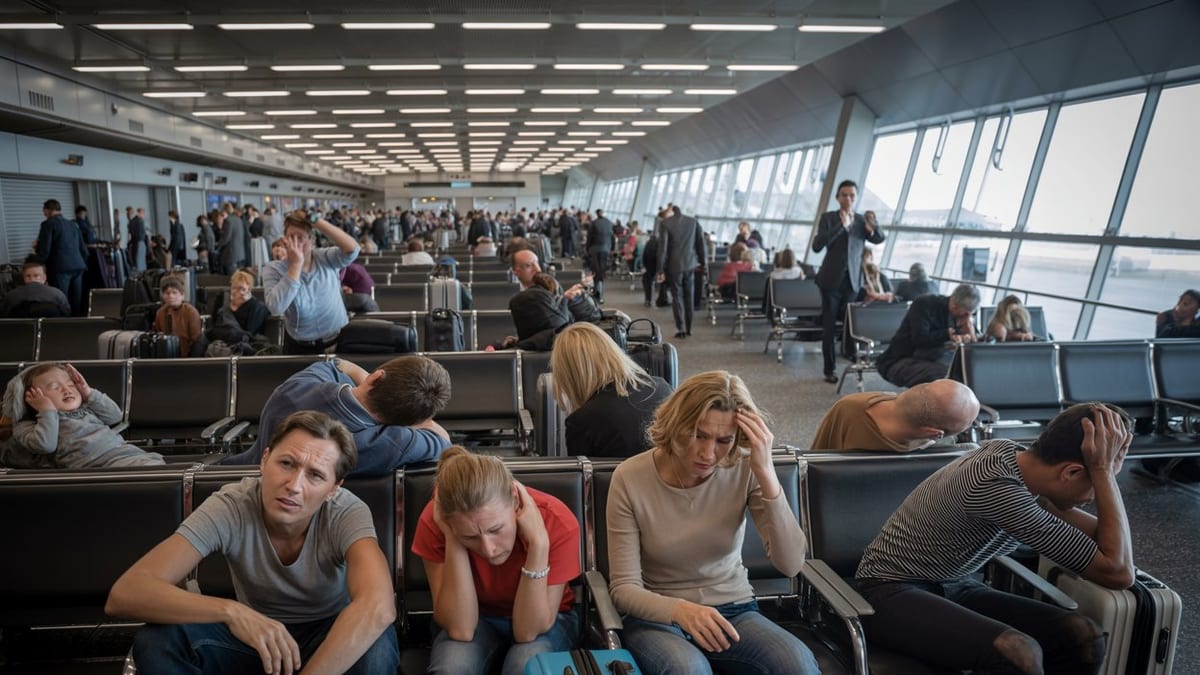
Five Bangkok Flights Scrapped As Regional Pressures Mount
Recent schedule changes show at least five flights involving Bangkok have been cancelled within a short window, affecting links to Kuwait, Kuala Lumpur and several Cambodian cities. Publicly available flight data and traveler reports indicate that Kuwait Airways and Sky Angkor are among the carriers adjusting or withdrawing services, with some cancellations confirmed only a day or two before departure.
For Kuwait Airways, Bangkok is a key stop on long-haul itineraries between Asia and Europe, as well as a leisure destination in its own right. The loss of multiple rotations on the Bangkok route has therefore had an outsized impact, interrupting journeys for passengers transiting between India, Southeast Asia, the Gulf and onward to Europe or North America.
Sky Angkor’s reduced presence is also being felt on short-haul regional routes. The Cambodian airline has previously promoted daily links between Phnom Penh, Siem Reap and Bangkok, using Suvarnabhumi and, at times, Don Mueang for its services. Where these flights are now cancelled, travelers bound for Cambodia often find themselves rebooked via alternative hubs or forced to connect through third countries.
While five cancelled flights may appear modest for a city served by two major airports, the pattern highlights how quickly changes by a handful of carriers can ripple through regional networks built on tight connections and narrow time buffers.
Bangkok’s Dual-Airport System Amplifies Disruptions
Bangkok is unusual in Southeast Asia in that it splits traffic between two large airports: Suvarnabhumi, the primary international gateway, and Don Mueang, a major base for low-cost and regional operators. Airlines such as Kuwait Airways typically use Suvarnabhumi, while carriers serving secondary cities or charter operations may opt for Don Mueang.
When flights are cancelled or rescheduled, this dual-airport setup can complicate recovery options. Passengers arriving at Suvarnabhumi who lose a Kuwait Airways connection, for example, may find that the most viable alternative is now a low-cost service departing from Don Mueang. Transferring between the two airports adds travel time on the ground, potential immigration checks and extra logistics at a moment when passengers are already dealing with uncertainty.
Reports from travel forums and social media suggest that some travelers have been offered rebookings on services departing from a different Bangkok airport than originally planned. Others report being advised to arrange their own alternatives, including separate tickets on low-cost carriers, raising the risk of missed onward connections if delays occur.
For airport operators, such short-notice changes translate into volatile passenger flows between terminals and transport links, as well as increased pressure on information desks and ground handling teams during peak periods.
Routes To Kuwait, Kuala Lumpur And Cambodia Among Those Affected
The cancellations are hitting several important regional and long-haul corridors. Travel data and booking platforms point to interruptions on flights between Bangkok and Kuwait, a route commonly used both by point-to-point leisure travelers and by those connecting between South Asia, Southeast Asia and the Gulf.
Links to Kuala Lumpur are also affected as carriers adjust capacity in response to softer demand and higher operating costs. Although multiple airlines operate between the Thai and Malaysian capitals, even a small reduction in frequencies can lead to fewer convenient options for same-day connections, particularly late at night or early in the morning when many long-haul flights arrive.
In Cambodia’s case, the impact is more acute. Travelers heading to secondary destinations such as Siem Reap or Sihanoukville often rely on niche operators and limited daily services. When a Sky Angkor flight is cancelled, there may be no same-day alternative, forcing passengers into overnight stays in Bangkok or Phnom Penh and adding to their travel budget.
Tourism businesses in these destinations are monitoring the situation closely, as late arrivals or forced rebookings can lead to missed hotel nights, delayed tour departures and a knock-on effect on local transport providers who depend heavily on predictable tourist flows.
Passengers Face Refund Delays And Limited Rerouting Options
Public complaints filed online show growing frustration among affected travelers over how cancellations are being handled. Some passengers on Kuwait Airways report receiving confirmation of a cancelled flight only 24 to 48 hours before departure, with refunds offered but rerouting options described as limited or unclear.
Others recount being advised to seek refunds through travel agencies, only to find that agencies themselves have little real-time information about which future flights are likely to operate. This has made it difficult for travelers to decide whether to hold on to existing bookings or proactively secure alternative routes through other Gulf or Asian hubs.
Regional carriers such as Sky Angkor, which often operate on tight margins, may be less able to offer generous reaccommodation on rival airlines when flights are dropped. As a result, passengers on smaller operators are more likely to shoulder additional costs for last-minute hotel stays, new tickets or ground transport across Bangkok to reach another departure point.
Travelers are increasingly encouraged, by publicly available advisories and consumer advocacy groups, to monitor their flight status frequently, keep itineraries flexible when possible and understand refund eligibility under each airline’s published policies when booking tickets that rely on tight connections through Bangkok.
What Travelers Through Bangkok Should Do Now
With cancellations still being reported close to departure dates, industry observers suggest that travelers transiting Bangkok in the coming weeks take extra precautions. Checking bookings directly on airline websites and through airport flight boards, rather than relying solely on third-party travel apps, can help flag schedule changes earlier.
For those with journeys involving Kuwait Airways or regional airlines like Sky Angkor, building longer layovers into itineraries may reduce the risk of missed onward connections if an earlier segment is disrupted. Separately ticketed connections, such as those between full-service carriers at Suvarnabhumi and low-cost operators at Don Mueang, carry additional risk and may warrant travel insurance that explicitly covers missed connections and schedule changes.
Passengers are also advised by consumer groups to document all communications with airlines and agencies, including cancellation notices and refund promises, in case follow-up is needed. Given the volumes of recent complaints, processing times for refunds or flight credits may extend beyond the standard periods many travelers expect.
As airlines across the region continue to recalibrate their networks in response to shifting demand, operational costs and geopolitical concerns, Bangkok’s status as a key connecting hub means that even a limited number of cancellations, such as the five recent flights involving Kuwait Airways, Sky Angkor and other carriers, can have far-reaching effects for travelers heading to and from Kuwait, Kuala Lumpur, Cambodia and beyond.