


More news on this day
Travelers across China are facing fresh disruption after more than 160 flights operated by major carriers including China Eastern, Air China, China Southern, Shanghai Airlines, and several regional partners were abruptly canceled, snarling traffic at key hubs such as Beijing, Shanghai, Guangzhou, Shenzhen, Chengdu, and Kunming.
Get the latest news straight to your inbox!
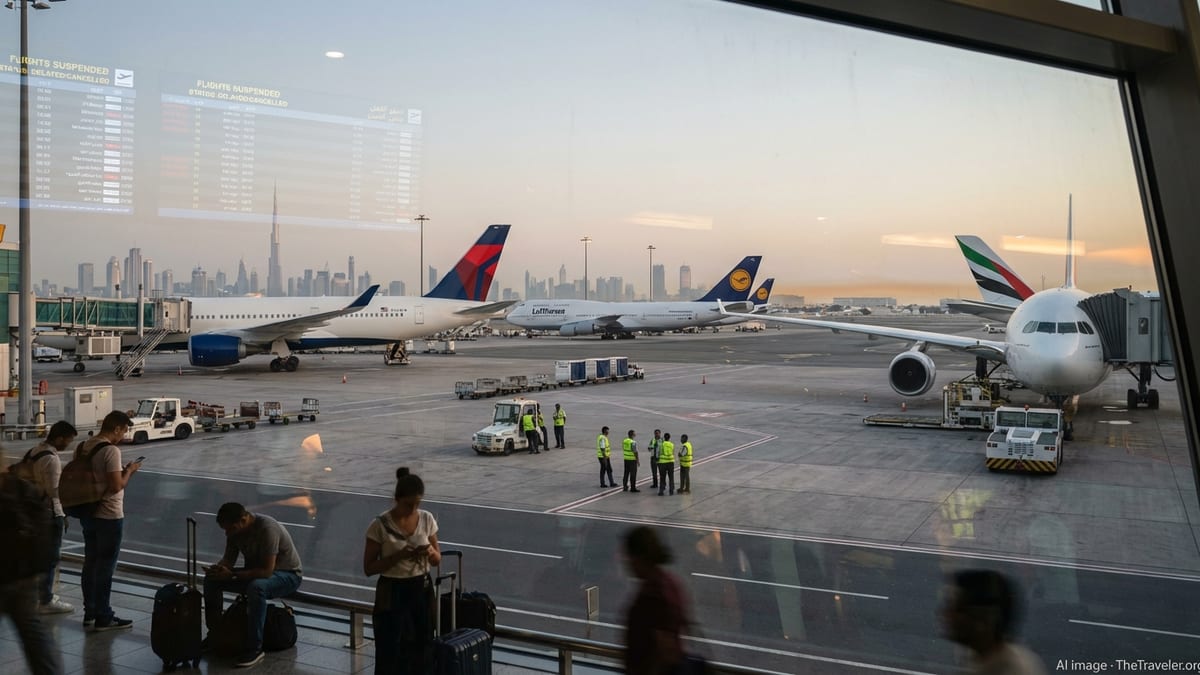
Wave of Cancellations Hits Major Chinese Carriers
Publicly available flight tracking and consumer compensation platforms show a sharp spike in cancellations involving China’s largest airlines, with more than 160 services scrubbed over a short window of time. The disruptions span China Eastern, Air China, China Southern, Shanghai Airlines and affiliated regional carriers, affecting a broad mix of domestic and connecting itineraries.
Reports indicate that cancellations are concentrated on trunk routes linking Beijing, Shanghai, Guangzhou, Shenzhen, Chengdu, Kunming and other major cities that form the backbone of China’s domestic aviation network. These corridors typically carry heavy business and leisure traffic, meaning relatively small schedule adjustments can quickly cascade into widespread delays and missed connections.
Travel industry coverage notes that the cancellations come during a period of robust demand for air travel in China, with airlines rebuilding networks and capacity after several years of pandemic-related restrictions. That recovery has left carriers managing tight schedules and high load factors, raising the impact of any operational or regulatory disruption.
While the exact breakdown of affected flights by airline continues to shift as schedules are updated, consumer-facing data show that all three of China’s big network carriers are involved, alongside Shanghai-based subsidiaries and regional partners serving secondary cities.
Passengers Stranded at Key Hubs From Beijing to Kunming
The sudden schedule changes are being felt most acutely at China’s largest hub airports, where travelers report long lines at service counters and crowded departure areas. Beijing Capital and Beijing Daxing, Shanghai Pudong and Hongqiao, Guangzhou Baiyun, and Shenzhen Bao’an feature prominently in accounts from affected passengers.
Chengdu and Kunming, both important gateways to western China and to regional international routes, have also seen a noticeable wave of cancellations. Travelers with multi-leg itineraries routed through these cities are reporting missed connections and the need to rebook or reroute through alternative hubs, often at short notice.
Social media posts and discussion forums highlight common scenarios: domestic passengers discovering overnight that early-morning departures have been removed from schedules, international travelers losing key positioning flights to coastal hubs, and families forced to piece together new routes on sold-out days. In several cases, passengers report being offered refunds without clear guidance on rebooking or onward arrangements.
The uneven nature of the disruption means that while some flights on a given route are canceled, other departures continue to operate, adding to confusion in terminal departure boards and airline mobile apps. Travelers arriving at the airport are frequently having to verify flight status multiple times as last-minute operational decisions are implemented.
Weather, Airspace Measures, and Operational Pressures Cited
Explanations circulating in Chinese-language media and aviation commentary point to a combination of potential factors behind the latest wave of cancellations, rather than a single identifiable cause. Seasonal storms, low-visibility conditions, and broader airspace management measures are all cited as contributing to congestion and tighter operating windows for civil aviation.
Recent reports on airspace restrictions near Shanghai describe temporary exclusion zones for civil traffic in coastal areas, which can compress flight paths into narrower corridors and reduce the number of movements airports can safely handle in a given period. When combined with summer weather patterns and heavy passenger demand, airlines may be forced to thin out schedules to maintain punctuality and safety margins.
Operational pressures also remain elevated as carriers ramp up fleets and crews after years of intermittent pandemic constraints. Industry analysis notes that staffing levels, aircraft rotations, and maintenance windows are still being recalibrated to match surging domestic demand and a gradual rebound in international travel. Any imbalance can lead to knock-on effects across multiple airports.
Publicly available information from regulators and airport operators indicates that air traffic control interventions, such as flow control and temporary ground stops, can trigger clusters of cancellations within hours. Airlines then adjust downstream flights, amplifying the visible disruption for passengers even after immediate weather or congestion issues ease.
What Travelers Are Experiencing on the Ground
Accounts shared on travel forums suggest a patchwork of responses from airlines, with some passengers able to secure same-day alternatives while others face waits of a day or more in popular markets. Travelers on flexible domestic itineraries sometimes opt to switch to China’s extensive high-speed rail network for routes such as Shanghai to Beijing or Guangzhou to Shenzhen, using trains to bypass congested air corridors.
International passengers, particularly those relying on Chinese hubs for long-haul connections, appear more vulnerable to extended disruption. Several travelers describe losing onward flights to Europe, Southeast Asia, or Oceania after domestic feeder legs were canceled, with limited rebooking options on short notice due to full loads and constrained capacity.
Consumer advocacy groups and travel planning services advise passengers to monitor airline apps closely, keep boarding passes and receipts, and document any hotel, meal, or ground transport expenses incurred as a result of cancellations. While compensation rules vary by ticket type and carrier policy, documentation can be important when later seeking refunds or partial reimbursement for out-of-pocket costs.
Travelers are also being encouraged to consider alternative routings that avoid the most heavily impacted hubs during peak hours, even if that means using secondary airports or accepting longer connection times. Some itinerary planners highlight routes via inland hubs or cross-border options through neighboring regions where capacity may be less constrained.
Outlook for China’s Domestic and Regional Aviation Network
Aviation analysts observing the situation caution that periods of concentrated disruption could recur as airlines and regulators balance rapid demand growth with airspace and operational limits. The clustering of cancellations among China Eastern, Air China, China Southern, Shanghai Airlines and regional partners underscores how interconnected the country’s aviation system has become.
At the same time, China’s domestic transport infrastructure provides travelers with alternatives uncommon in many markets. The national high-speed rail grid offers frequent services on routes where airlines are currently thinning schedules, while intercity bus and regional rail links can bridge shorter gaps created by flight cancellations.
Published industry commentary suggests that carriers are likely to continue fine-tuning schedules on key corridors such as Beijing to Shanghai, Shanghai to Guangzhou, Shenzhen to Chengdu, and Kunming to coastal hubs, especially during peak travel periods. More proactive schedule adjustments and earlier notifications could help reduce last-minute chaos at terminals, though the interplay of weather and airspace management remains difficult to predict.
For now, travel planners recommend that passengers flying within or through China build in extra buffer time, secure fully changeable or refundable tickets where possible, and keep contingency plans in mind. As the latest wave of more than 160 cancellations shows, even routine domestic journeys across China’s major cities can be unexpectedly upended when multiple large carriers adjust their operations at once.