


More news on this day
Passengers across India and on key UK routes are facing extensive disruption as cancellations involving IndiGo, SpiceJet, British Airways and other major carriers trigger delays, missed connections and last minute rebookings on busy corridors linking Delhi, Mumbai, Bengaluru, Hyderabad, Srinagar, Goa, Ahmedabad and London Heathrow.
Get the latest news straight to your inbox!
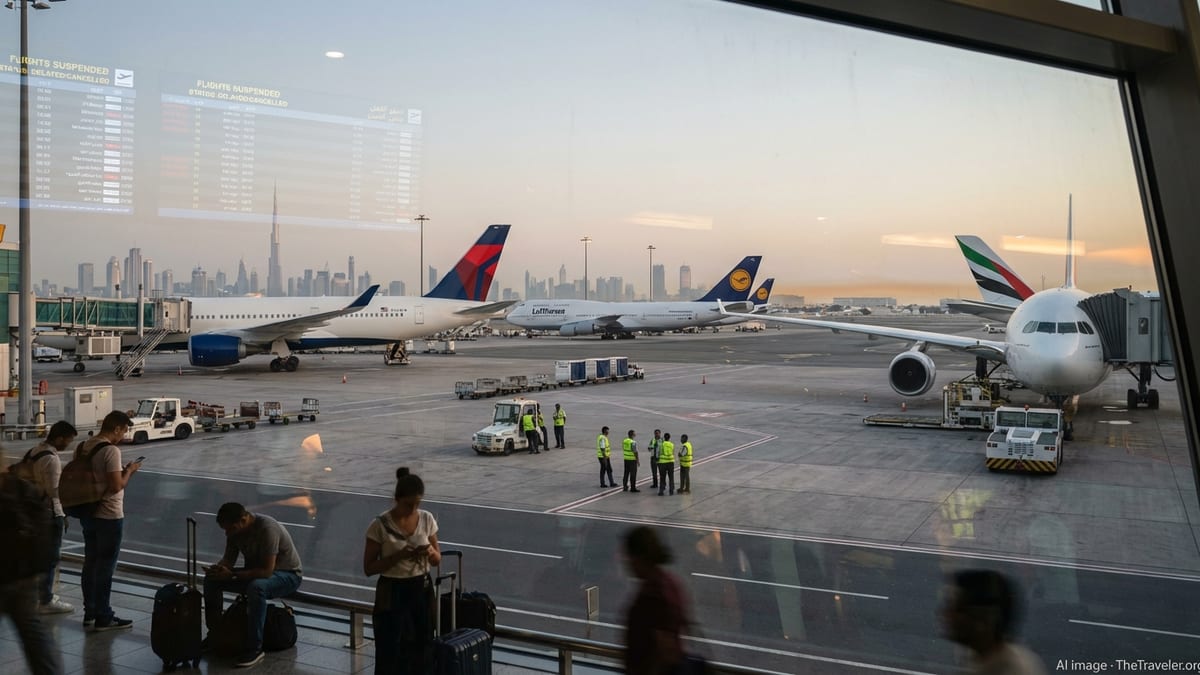
Wave of Cancellations Hits Key Indian Hubs
Recent days have brought a new round of flight cancellations and schedule upheavals across India, compounding pressure on an aviation network that has already endured months of operational strain. Publicly available flight tracking data and passenger reports indicate a growing list of disrupted services touching Delhi, Mumbai, Bengaluru, Hyderabad, Srinagar, Goa and Ahmedabad, with ripple effects across domestic and international routes.
IndiGo, India’s largest carrier by market share, has been at the centre of several high profile disruptions since late 2025, when a scheduling crisis led to thousands of cancellations after new flight duty rules for crew came into force. While regulators later eased some requirements, traveller accounts and schedule snapshots suggest that pockets of instability continue to emerge on certain routes during peak periods, particularly at the main metro hubs.
SpiceJet, which has faced intermittent operational challenges for several seasons, is also drawing scrutiny from passengers after a series of late night and early morning cancellations. Reports from travellers describe repeated last minute changes on routes such as Mumbai to Bengaluru and services into Ahmedabad, with some flights reportedly scrubbed on consecutive days and only limited rebooking options available at short notice.
The pattern has been especially disruptive for travellers using India’s largest cities as connecting gateways. With tight turnarounds and high load factors, even a small cluster of cancellations can quickly cascade into missed onward flights, hotel changes and unplanned overnight stays at airports that are already handling near record levels of domestic traffic.
IndiGo and SpiceJet Under Passenger Spotlight
IndiGo’s recent history of network wide disruption remains fresh for many flyers. In December 2025, the airline’s difficulties adapting crew rosters to new safety rules resulted in thousands of cancelled flights and widespread knock on delays. That episode has heightened traveller sensitivity to any renewed signs of strain at the carrier, especially when multiple services from the same airport are cancelled in close succession.
Social media posts and forum discussions this month highlight ongoing frustration among IndiGo customers facing abrupt schedule changes and isolated cancellations on routes linking Delhi, Mumbai, Hyderabad and regional cities. Some of these accounts describe situations in which passengers were checked in before learning that their flight would not operate as planned, leaving them to navigate crowded service desks and uncertain rebooking timelines.
SpiceJet is also facing pointed criticism from travellers who say they have experienced repeated cancellations and extensive delays on key metro routes. Accounts from passengers in Bengaluru, Mumbai and Ahmedabad describe flights pushed back by many hours before ultimately being cancelled, with some travellers questioning whether to pre emptively book backup tickets on rival airlines to ensure they reach work or family commitments on time.
Publicly available information from India’s aviation regulator outlines compensation and care obligations when flights are cancelled close to departure, including provisions for refunds, alternate flights and hotel accommodation in certain circumstances. However, travellers frequently report confusion about how these rules apply in practice, particularly when cancellations are framed as operational or safety related decisions by the airline.
Cross Border Disruption Reaches London Heathrow
The turbulence in India’s aviation market is not confined to domestic services. Disruptions have also affected long haul routes linking India with the United Kingdom, including services to and from London Heathrow. Published coverage and passenger accounts point to a series of cancellations on IndiGo’s relatively new London services, with some flyers reporting that multiple Delhi to London flights in a single week were withdrawn with limited alternative options offered.
Some travellers connecting between Southeast Asia and Europe via Delhi have described being left with broken itineraries when the Delhi to London segment was cancelled shortly before departure. In several instances shared online, passengers reported being rebooked days later via Mumbai or advised to seek refunds and secure their own alternate travel on other carriers such as Air India, British Airways or Virgin Atlantic.
British Airways itself has recently adjusted parts of its network in response to wider regional security concerns, temporarily suspending flights to certain Middle Eastern destinations. While its core India services between London and major metros such as Delhi and Mumbai have largely continued, even minor schedule changes on such heavily booked routes can make it harder for disrupted passengers from other airlines to find spare seats for rebooking.
The result is a tightly stretched transcontinental corridor where cancelled flights from one carrier quickly fill spare capacity on others. For travellers attempting to reach or depart from London Heathrow via Indian hubs, the combination of domestic cancellations, limited long haul options and high seasonal demand is making last minute itinerary changes both costly and logistically complex.
Stranded Passengers and Patchy Rebooking Options
The impact of these disruptions is most visible in the stories emerging from airport terminals. Travellers at Mumbai, Delhi and Bengaluru describe large groups of passengers being isolated near departure gates or check in counters after their flights were scrubbed, sometimes with limited updates and few immediate alternatives on offer. Similar accounts have surfaced from Hyderabad, Srinagar and Goa, where smaller terminals can quickly become crowded when multiple departures are delayed or cancelled.
In some cases, passengers report being offered rebooking only on much later dates, or being routed through alternate cities that add significant time and cost to their journeys. International travellers connecting onward to Europe, North America or the Middle East appear particularly vulnerable, as a missed domestic leg can invalidate non refundable long haul tickets booked on separate itineraries.
Passenger advocates and frequent flyer communities are urging travellers to familiarise themselves with India’s published rules on cancellations and denied boarding, and to document all interactions with airlines when disruptions occur. Experienced flyers often recommend building extra connection time into itineraries through Delhi and Mumbai, especially during busy travel windows, and considering flexible tickets when possible on routes that have recently seen clusters of cancellations.
For those already on the move, publicly available tools such as flight tracking platforms and airport departure boards remain essential for real time updates. With airlines periodically adjusting schedules to manage crew availability, aircraft maintenance and shifting demand, same day checks are becoming increasingly important even for flights that were confirmed days or weeks in advance.
What Travellers Should Watch in the Coming Days
As airlines recalibrate their schedules, analysts expect more short notice adjustments on select domestic and international routes touching India’s busiest hubs. Industry assessments suggest that strong demand, high fuel costs and tight aircraft availability continue to limit the margin for error, increasing the risk that operational issues at a single carrier can spill over into broader network disruption.
While no carrier is immune from weather, technical or regulatory challenges, the current pattern of cancellations and passenger isolation has placed IndiGo and SpiceJet under particular scrutiny. At the same time, any further adjustments to British Airways or other international airlines serving India and London Heathrow could intensify competition for seats among already disrupted travellers.
For now, publicly accessible data indicates that flights are still operating on most routes linking Delhi, Mumbai, Bengaluru, Hyderabad, Srinagar, Goa, Ahmedabad and London. However, the uneven distribution of cancellations means that travellers may encounter very different experiences depending on their specific flight, date and airline, even within the same city pair.
With the busy summer travel period approaching, frequent flyers recommend closely monitoring bookings, checking in early where possible and being prepared with backup options if a critical leg is cancelled. In a market where even a few dozen flight cancellations can strand thousands of people, advance planning and up to the minute information are becoming essential tools for anyone navigating India’s skies and the key links to London Heathrow.