


Gliding behind a reindeer through a silent Arctic forest under pale winter light is the kind of moment that sells entire trips to Lapland, northern Norway or Swedish Lapland. Yet behind the postcard scenes, reindeer tourism is complex. Travelers often focus on dates and prices and forget to ask crucial questions about animal welfare, Sami culture, safety and even basic comfort in temperatures that can drop far below freezing. Before you click "book now" on that reindeer ride, it pays to slow down and look more closely at what you are buying.
Get the latest updates straight to your inbox!
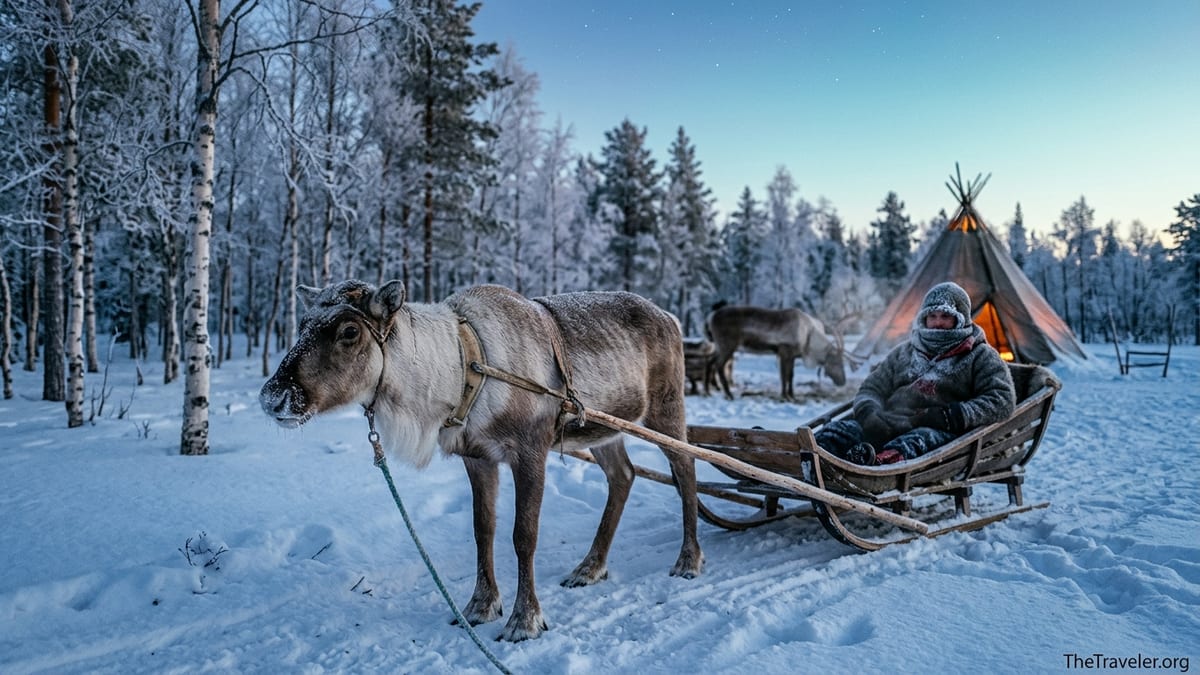
Reindeer Rides Are Not Just Cute Photo Ops
Many travelers treat reindeer rides as a quick, Christmassy add-on, on the same level as a visit to a Santa village or an ice bar. In reality, you are interacting with semi-domesticated animals that underpin the livelihoods and culture of Indigenous Sami communities across northern Finland, Norway and Sweden. In Lapland, for example, every reindeer you see belongs to a herder, even when it seems to roam freely near the road or ski tracks. Tourists sometimes assume they are seeing wild animals, but these herds are carefully managed and legally protected as someone’s property.
In Norway and parts of Sweden, only people with specific Sami reindeer-herding rights can own reindeer. That means most tourism companies must partner with local herders to offer sledding or feeding experiences, even if the marketing focuses on northern lights or luxury igloos. When you buy a reindeer tour near Tromsø, Alta, Kiruna or Rovaniemi, you are stepping into a long-running debate about how tourism should support or disrupt traditional ways of life. Understanding that context helps you choose experiences that feel more like a genuine exchange than a staged sideshow.
There is also a growing conversation about reindeer being used much farther south in Europe as Christmas-season attractions. Animal welfare organizations have warned that keeping reindeer in shopping centers or small pens for weeks, often in milder and wetter climates than they are adapted to, can be stressful and unhealthy for the animals. As winter wildlife tourism grows, more travelers are asking not only whether an activity looks magical in photos, but whether it is responsible for the animals that make the magic possible.
Animal Welfare: The Questions Most Travelers Forget to Ask
The biggest oversight travelers make is assuming that if a reindeer ride is advertised, it must be humane and well-regulated. In northern Finland, for instance, there are national animal welfare laws and guidelines for responsible animal tourism, and local authorities can inspect farms and safari operators. However, regulatory capacity is limited, and standards can vary significantly between small, family-run siida-style experiences and high-volume bus-tour operations focused on turning groups quickly through short rides.
Before booking, travelers rarely ask basic welfare questions. A more responsible approach is to email or call operators and ask how many hours per day their reindeer work, how many tours they run per animal, and how often the animals have rest days. Some ethical operators in Finnish Lapland and around Tromsø publicly state that they limit sledding to short, slow rides and give the herd extended rest periods, particularly during the coldest weeks of December and January. Others emphasize that reindeer continue to graze outdoors and live in natural herds rather than standing all day in small enclosures by a car park.
It is also worth asking how animals are trained and handled. In well-run Sami-led experiences, guests usually begin by feeding reindeer their favorite lichen and learning how to move calmly around them before anyone sits in a sled. Guides explain that reindeer dislike sudden noises and being crowded for selfies. At less conscientious venues, animals may be tethered tightly, with little opportunity to move away if they feel stressed, and staff may be under pressure to keep groups moving, making gentle handling less of a priority.
Finally, think about what you actually want from the encounter. If you mostly want to see reindeer up close and take photographs, a farm visit or feeding session might put less pressure on the animals than repeated sled circuits. Many visitors to Kiruna or Rovaniemi report that the most memorable part of their tour was sharing stories and coffee with the herder by the fire, not the short ride itself. Choosing those slower, education-focused experiences sends a market signal that depth of connection matters more than squeezing animals for constant entertainment.
The Cultural Dimension: Sami Voices and Tourism Packaging
Another thing many travelers overlook is whose story they are actually hearing on a reindeer tour. Across Sápmi, the traditional homeland of the Sami people, reindeer herding has been a cornerstone of culture, language and spiritual life. Yet as tourism has expanded, especially around hubs like Tromsø, Alta and Rovaniemi, there is a spectrum of experiences from Sami-owned and -operated to experiences curated mostly by non-Sami companies with a thin layer of imagery such as lavvu tents and colorful gákti clothing.
Authentic Sami-led experiences often feel slower and more personal. A visit might include entering a warm lavvu, listening to joik songs, seeing photographs from the annual spring migration and hearing about how climate change and land-use conflicts affect the herd. These visits may involve only a small group gathered around a central fire instead of busloads of visitors moving on a fixed script. Operators in northern Norway and Finnish Lapland increasingly emphasize that they are multi-generational herding families whose tourism activities are designed to fit around, not replace, reindeer husbandry.
By contrast, some high-volume operators treat “Sami culture” as a quick performance between bus transfers and northern lights chases. Travelers sometimes describe being rushed through a costume photo, a few minutes of generic storytelling and a very short ride before being moved on to the next activity. This can leave both guests and local communities frustrated: visitors feel they did not get the depth they expected, and locals feel their culture has been reduced to a backdrop for social media content.
To choose responsibly, look beyond buzzwords. Ask who owns the business, whether Sami people are involved in design and leadership of the experience, and how much time is actually spent learning about reindeer herding versus simply sitting in a sled. Tour descriptions that highlight small group sizes, extended time for conversation and clear links to reindeer husbandry tend to indicate a more grounded approach than those that mostly sell northern lights photography with a token reindeer component on the side.
Weather, Clothing and Comfort: The Reality of Arctic Conditions
Marketing images of reindeer rides often show travelers in light parkas, rosy-cheeked under gentle snowfall. The reality between December and February in Lapland or around Tromsø can be starkly different, with temperatures dropping well below minus 20 degrees Celsius, windchill on open fells and long periods of sitting still on a sled. One of the most common complaints from visitors is simply that they underestimated how cold they would feel, especially hands, feet and face.
Many reindeer tour operators provide thermal overalls, boots and mittens, but the quality and warmth of that gear can vary. Some family-run farms in northern Finland, for example, invest in heavy-duty suits that local snowmobile guides also use, while smaller seasonal outfits might offer thinner, generic overalls that are less effective in severe cold. Travelers frequently overlook the need to bring their own base layers, such as merino wool long underwear, thick socks and a windproof outer layer for the face and neck. Relying entirely on borrowed clothing is a mistake when you may be outside for several hours.
Another factor often missed is how much of the tour is actually spent standing or sitting in cold environments. A “three-hour reindeer experience” may include only 20 to 40 minutes of actual sledding and feeding, with the remainder devoted to transfers, safety briefings and cultural presentations in partially heated spaces like lavvu tents or wooden huts. Those indoor segments can still feel chilly to people used to central heating. Travelers who bring small hot water bottles, chemical hand warmers or insulated seat pads often report being much more comfortable than those who arrive with only city-appropriate coats.
It is also wise to consider visibility and daylight. In the deep polar night around the winter solstice, there may be only a few hours of twilight. Twilight can create beautiful blue-toned photographs, but it also means you might not see distant landscapes or herds as clearly as in late winter. If your priority is photography of wide snowy vistas and reindeer on open fells, late February and March often provide clearer light and slightly milder conditions, while still preserving a strong chance of seeing northern lights in the evening.
Safety, Logistics and the Fine Print in the Tour Description
Because reindeer sledding is slow and gentle compared with snowmobiling or downhill skiing, many travelers assume there is little to think about in terms of safety or logistics. Yet each winter there are minor injuries from slips on icy farm yards, falls getting into sleds and occasional collisions on narrow forest tracks. Good operators mitigate these risks with pre-tour briefings, clear instructions on how to sit and hold on, and staff walking alongside sleds on downhill sections. When evaluating a tour description, look for mention of safety talks, guide-to-guest ratios and whether helmets are available or recommended for children.
Logistical details can also catch travelers by surprise. A “morning reindeer safari from Tromsø” might involve an hour’s coach transfer each way to a valley camp, plus waiting time while multiple groups are organized on arrival. Similarly, from Rovaniemi, some reindeer farms are located 30 to 40 minutes outside town, and road conditions can be snowy or icy. Travelers planning full days that combine reindeer rides, husky safaris and northern lights tours sometimes underestimate how draining that schedule can be, especially for younger children. Building in rest time between activities leads to a more enjoyable experience than racing between buses.
Another often-forgotten detail is insurance and age limits. Some operators explicitly state minimum ages, weight limits for sleds or exclusions for pregnant travelers, while others leave this information less visible. Before booking, especially if you are traveling with grandparents or toddlers, it is worth contacting the company to confirm that everyone in your party can participate. Cold-related issues such as frostnip or mild hypothermia can develop quickly in small children sitting motionless in a sled for 30 minutes, even when properly dressed, so consider choosing shorter rides with plenty of opportunities to warm up indoors.
Finally, pay attention to cancellation policies, particularly if you are traveling at the start or end of the winter season when snow cover can be unreliable. In some parts of Finnish and Swedish Lapland, early December and late March can bring warm spells that turn tracks icy or patchy. Responsible operators sometimes cancel or modify sledding and switch to feeding sessions or cultural programs if conditions are not safe for the animals or guests. Flexible booking conditions and transparent communication about weather-related changes are signs that a company prioritizes safety over squeezing in every possible tour.
Ethical Choice: How to Read Between the Lines of Marketing
Even when travelers care about ethics, they often struggle to interpret glossy marketing. Many reindeer tour descriptions promise “authentic Sami culture” and “ethical animal experiences,” yet say little about what that actually means in practice. Look for concrete information: does the operator mention limits on working hours for reindeer, collaboration with herder families, or certifications and local guidelines they follow regarding animal tourism and sustainability.
Some Lapland-based companies now publish short guides explaining what makes a reindeer safari ethical, highlighting practices such as allowing reindeer to move in natural herds, giving them access to grazing and avoiding crowded, noisy environments. Travelers who read these materials before booking can more easily distinguish between experiences where reindeer live much as they always have, with minimal adaptation for tourism, and those where animals spend much of the season on small paddocks near a parking lot, posing repeatedly for photos with bus groups.
Price can be a clue but is not definitive. In general, extremely low-priced reindeer rides bundled into mass-market day trips may indicate shorter experiences with less time for animal interaction and cultural learning. However, high prices do not automatically guarantee ethical practices. A premium-brand Arctic resort may still outsource reindeer activities to whichever subcontractor can serve its guests on short notice. Asking where exactly the reindeer are kept, how many people will be in your group and how long you will spend with the animals provides a clearer picture than assuming cost equals quality.
Another overlooked dimension is seasonality and demand. Peak travel weeks around Christmas and New Year can put intense pressure on both people and animals, as tours run back to back and daylight hours are short. Travelers with flexible schedules might consider visiting in late January, February or early March instead, when snow is usually reliable, days are a little longer and operators are under slightly less strain. This can mean more time for one-on-one questions, less waiting in lines to feed the herd and a calmer overall environment for the animals.
Beyond the Sled: Alternatives That Still Celebrate Reindeer
Not every meaningful reindeer experience needs to involve a sled ride. Many travelers overlook quieter options that can be more comfortable and arguably kinder to the animals. Farm or siida visits where you walk among the herd under supervision, hand-feed them lichen and spend extended time with herders around a fire can be just as memorable. In northern Norway and Finnish Lapland, some operators now promote full-day or multi-hour “reindeer herder for a day” programs that focus less on riding and more on observing daily tasks, seasonal routines and the practical challenges of living with a herd.
Food-focused experiences are another way to connect with reindeer culture. In and around towns such as Kiruna, Inari or Kautokeino, restaurants and tour companies sometimes offer evenings where guests sample traditional Sami dishes, hear storytelling and learn about how reindeer meat, hides and antlers are used. This type of experience can take place mostly indoors, making it better suited to travelers sensitive to cold, while still providing insight into why reindeer are central to the region’s identity.
For families with very young children or travelers with limited mobility, static encounters such as visiting a reindeer paddock near a hotel, attending a feeding session or combining a short sleigh loop with more time inside a lavvu may be more realistic than longer safaris into the forest. These options can still feel special when guides take time to explain each animal’s personality, the meaning of ear-markings and how herders recognize individual reindeer among hundreds.
Finally, for those uneasy about any direct use of animals in tourism, there are indirect ways to support reindeer herding communities. Buying handicrafts made from locally sourced materials, attending cultural festivals that celebrate joik and storytelling, or visiting museums and cultural centers dedicated to Sami history all help sustain the broader ecosystem of reindeer culture without putting additional pressure on the animals themselves.
The Takeaway
Reindeer rides sit at the intersection of wildlife tourism, Indigenous culture and Arctic adventure. The most common traveler mistake is to treat them as a simple, standardized product. In reality, each tour reflects specific choices about animal welfare, cultural representation, safety and seasonality. Asking a few more questions before you book can transform your experience from a rushed selfie stop into a thoughtful encounter that respects both animals and people.
Before reserving, clarify what portion of the tour involves actual time with reindeer, who owns and cares for the animals, how they are kept and trained, and what steps the operator takes to protect them in the busiest weeks of winter. Pack clothing suitable for hours in subzero temperatures, leave room in your schedule for delays and consider whether a slower, more conversation-based visit might match your values better than a brief sled circuit.
Most importantly, remember that for many Sami families and northern communities, reindeer are not props but the foundation of a way of life. When travelers treat reindeer rides as a privilege rather than an entitlement, they help create conditions where tourism can support, rather than undermine, the fragile balance between tradition, livelihood and the Arctic environment.
FAQ
Q1. Are reindeer rides safe for children?
Reindeer rides are generally gentle and suitable for children, but operators often set minimum age or height guidelines. The main risks are cold exposure and slips on ice, so dressing children in multiple warm layers and choosing shorter tours with indoor breaks is important.
Q2. How long is a typical reindeer sled ride?
Many advertised “reindeer experiences” include only 15 to 40 minutes of actual sledding within a two to three hour visit, with the remaining time spent on transfers, feeding, storytelling and warming up indoors. Always read the tour description carefully to understand how much of the experience is actual riding.
Q3. What should I wear for a winter reindeer tour?
Plan for very cold conditions with wool or synthetic base layers, an insulating mid-layer, thick socks, insulated boots, a windproof outer jacket, warm mittens, a hat and face protection. Even when operators provide thermal overalls, your own base layers make a major difference to warmth and comfort.
Q4. How can I tell if a reindeer tour is ethical?
Look for clear information about animal welfare practices, such as limited working hours, rest days, access to natural grazing and small group sizes. Ethical operators are usually transparent about collaborating with herder families and encourage guests to ask questions about how the animals live outside of tour hours.
Q5. Do I need to book reindeer rides far in advance?
During peak weeks around Christmas and New Year, popular reindeer tours in hubs like Rovaniemi, Tromsø and Kiruna can sell out weeks or months ahead. Outside those dates, you often have more flexibility, but booking at least a few weeks before arrival is still wise, especially if you want small-group or Sami-led experiences.
Q6. Will I definitely see northern lights on a reindeer tour?
Northern lights are never guaranteed, even in prime locations within the Arctic Circle. Many evening reindeer tours are timed for aurora viewing, but cloud cover, solar activity and daylight hours all affect visibility. Consider the reindeer and cultural elements as the core of the experience, with aurora sightings as an added bonus.
Q7. Are summer reindeer experiences available?
Yes, many herders offer summer and autumn visits focused on feeding, walking among the herd and learning about seasonal migration rather than sledding. These warmer-weather visits can be more comfortable for some travelers and place less physical strain on the animals than repeated winter sled rides.
Q8. Can people with limited mobility join reindeer tours?
Some reindeer farms and tour operators can accommodate guests with reduced mobility by helping them into sleds, adjusting tour length or focusing on stationary encounters near accessible facilities. It is essential to contact the operator in advance to discuss specific needs and confirm what level of assistance they can safely provide.
Q9. Is it okay to pet or hug reindeer for photos?
Reindeer are sensitive animals and may be stressed by being crowded or handled, especially around the head and antlers. Responsible guides usually encourage calm, slow movements, feeding at arm’s length and avoiding forced poses. If an animal moves away, respect its space instead of trying to pull it closer for a picture.
Q10. How do reindeer rides impact Sami culture and livelihoods?
Tourism can provide valuable income for some Sami herding families and a chance to share their culture directly with visitors. However, poorly designed tours risk reducing complex traditions to quick performances. Choosing Sami-led, small-scale experiences that prioritize storytelling and education helps ensure tourism supports, rather than distorts, reindeer-based livelihoods.