


More news on this day
Governments have sharply tightened travel advisories for the Middle East as renewed hostilities between the United States and Iran raise the risk of wider regional conflict, disrupting air routes, maritime shipping and travel plans across a swathe of countries from the Gulf to the Eastern Mediterranean.
Get the latest news straight to your inbox!
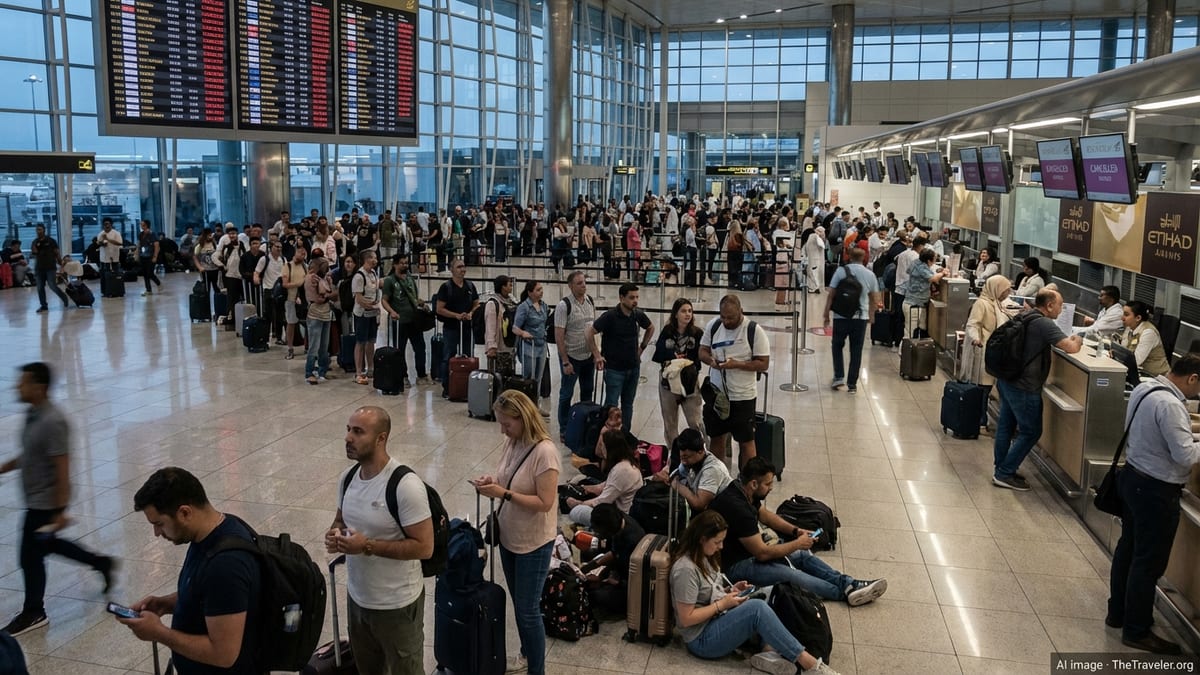
Global alerts expand amid risk of wider conflict
Updated guidance from multiple governments in late July highlights how the renewed US–Iran escalation is reshaping official risk assessments for travel across the Middle East and beyond. Publicly available information from the United States, United Kingdom and Australia points to a common concern about sudden shifts in the security environment, including cross‑border strikes, attacks on infrastructure and pressure on civilian aviation.
The US Department of State issued a new worldwide caution on July 22, warning citizens that heightened tensions linked to the Middle East could trigger unforeseen security incidents and travel disruptions in various regions. The alert notes that US interests and locations associated with Americans may face elevated threat levels, and advises travelers to be ready for changes to airport operations and commercial flights.
Regional conflict dynamics are central to these warnings. Published coverage from international news agencies in recent days has described sustained US military strikes on Iranian targets and retaliatory actions by Tehran and aligned groups, including attacks on shipping near the Strait of Hormuz. These developments have intensified concern that a localized confrontation could spill over into a broader conflict affecting multiple countries and key transport corridors.
Travel risk consultancies and industry briefings are also reflecting the deteriorating outlook. Recent analyses circulated to corporate travel managers emphasize that government travel advisories at Level 3 and Level 4 in several Middle Eastern states, combined with selective airline suspensions and rerouting, are now having a direct impact on business travel itineraries and insurance coverage.
US advisories tighten for Gulf hubs and Iran
US government travel advisories for the core area of the confrontation have shifted markedly since hostilities between the United States, Israel and Iran intensified in late February. Iran itself has been under a Level 4 “Do Not Travel” advisory since late 2025, citing armed conflict, civil unrest, terrorism and the risk of arbitrary or wrongful detention. This status remains in place and has taken on renewed significance as military operations inside Iran and surrounding waters resume.
Several Gulf states that function as major air transit hubs have also seen their advisories raised. Public guidance for Bahrain and the United Arab Emirates was upgraded to Level 3 “Reconsider Travel” in March, following the onset of open hostilities and an acknowledged threat of drone and missile attacks. Non‑emergency US government staff and their family members were instructed to depart, and travelers are now expressly warned about potential disruptions to commercial flights and the possibility of further strikes.
Saudi Arabia’s advisory was similarly tightened in March to Level 3, with additional restrictions on movement near the border with Yemen due to the risk of missile and drone launches from Iran‑aligned groups. These changes collectively mean that several of the region’s key aviation and energy hubs are now assessed as higher risk than in early 2026, with practical consequences for routing, insurance and corporate duty‑of‑care obligations.
Beyond the Gulf, US advisories for Israel, the West Bank and Gaza continue to urge travelers to reconsider nonessential journeys amid ongoing security incidents and the potential for spillover from the US–Iran confrontation. The global caution overlaying these country‑specific warnings underscores how US authorities now view the Middle East conflict as having implications for Americans in diverse locations worldwide.
European and Australian guidance flags airspace and transit disruption
European governments are also recalibrating their messaging. Updated UK travel advice for the United Arab Emirates on July 24 states that strikes and retaliatory attacks linked to Iran have taken place since early July against US military and civilian infrastructure across the region, and that further escalation is possible. The notice advises British nationals in the wider Middle East to prepare for flight cancellations, temporary airspace closures and broader travel disruption.
Similar language appears in regional summaries from the Australian Smartraveller service. Its latest Middle East bulletin notes that recent military strikes and reprisal attacks have occurred in multiple countries, and that the risk of additional attacks remains elevated. Iran is designated “Do not travel” due to the volatile security environment and conflict, while several neighboring states carry higher‑than‑normal caution levels, reflecting both terrorism concerns and regional instability.
These advisories place particular emphasis on the vulnerability of aviation and transit infrastructure. Governments caution that airports, seaports, and energy installations may be at increased risk during periods of heightened tension, and that air routes may be altered at short notice as airlines respond to state‑issued safety notices for overflights. Travelers are therefore urged to maintain flexible itineraries, closely monitor airline communications and register with consular alert systems where available.
For European carriers, rerouting around high‑risk airspace in the Gulf and over parts of Iran adds time and cost to long‑haul operations to Asia and Australasia. Industry assessments suggest this could translate into higher fares on certain routes and reduced seat capacity during peak periods, including the Northern Hemisphere summer travel season.
Maritime threats compound aviation and tourism risks
The maritime dimension of the US–Iran escalation is a growing focus of official warnings. Advisory notices from the US maritime administration highlight Iranian attacks and attempted interdictions of commercial vessels in the Persian Gulf, Strait of Hormuz and Gulf of Oman. Historical patterns of harassment by small boats and armed boarding teams are now being viewed in the context of open conflict, increasing concerns for both cargo operations and passenger vessels transiting the region.
Recent incident reports describe attacks on oil tankers and other ships near chokepoints such as the Strait of Hormuz and, to the west, the Bab el‑Mandeb strait between the Red Sea and Gulf of Aden, where Iran‑aligned groups have previously threatened to target maritime traffic. Such events have contributed to a spike in global oil prices and raised questions about the resilience of energy supply chains that depend heavily on secure passage through these waters.
While major cruise operators had already reduced their presence in parts of the Middle East following earlier regional crises, the latest escalation further complicates any plans for itineraries involving Gulf ports or Suez Canal transits. Travel risk bulletins advise operators and passengers to monitor naval guidance, port conditions and insurance requirements, which may change as military activity intensifies or spreads.
For independent travelers, ferry routes and smaller regional cruises could also be affected if coastal states restrict maritime movements or if shipping companies decide to avoid certain ports. This layer of uncertainty adds to the broader aviation and overland security challenges now associated with travel through the region.
What travelers are being advised to do now
Across the various advisories, several common themes have emerged for anyone considering travel to or through the Middle East. Governments recommend that travelers closely review the latest country‑specific guidance immediately before departure, recognizing that risk levels can change quickly in response to new military developments or political decisions.
Travelers are also encouraged to maintain a high degree of situational awareness, monitoring local media and official alert systems for updates on airspace restrictions, curfews or transportation disruptions. Many advisories stress the importance of having contingency plans, including flexible tickets, additional travel insurance and alternative routing options should primary transit hubs experience temporary shutdowns.
Public guidance consistently underlines the need for accurate registration with embassies or consular services, which enables authorities to disseminate security information more effectively during fast‑moving crises. For dual nationals or individuals with links to countries directly involved in the confrontation, advisories suggest seeking specialist legal or consular advice before traveling.
With the regional security trajectory uncertain and negotiations between the parties fragile, official messaging suggests that elevated travel risks in parts of the Middle East are likely to persist in the near term. Travelers and industry stakeholders are therefore weighing the benefits of maintaining connections to key hubs against the possibility of further sudden escalations that could reshape routes and risk profiles once again.